
Europe could claim a bigger share of global travel growth over the next decade if governments act on eight strategic priorities, according to the World Travel & Tourism Council (WTTC).
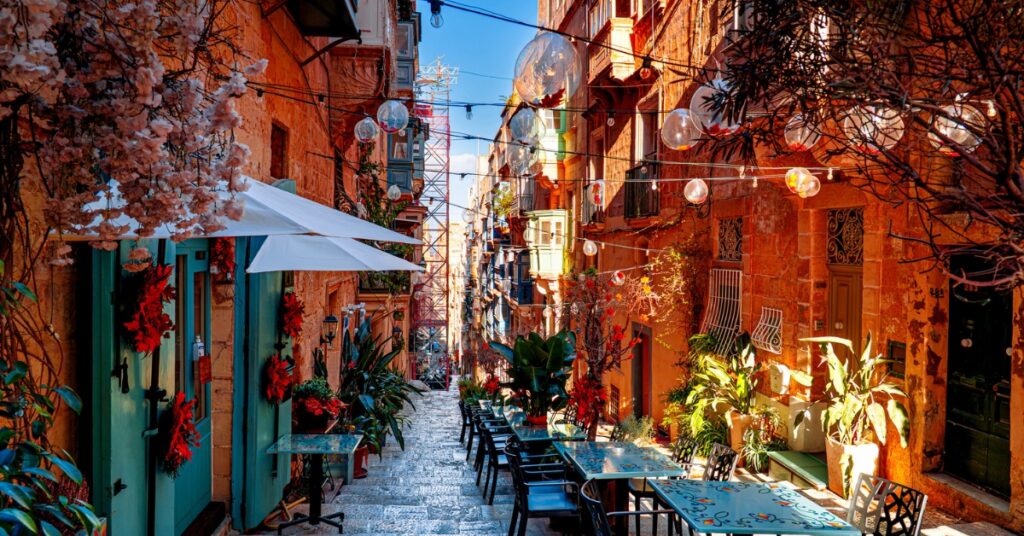
The industry body sets out the plan in a report released on 9 October 2026 at its 26th Global Summit in Valletta, Malta. It arrives as European tourism draws policymakers’ attention, with countries rolling out national strategies and the European Commission preparing the Union’s first dedicated tourism strategy.
Negotiations on the EU’s 2028–2034 Multiannual Financial Framework (MFF) are also under way. WTTC says its eight priorities match the global strategic priorities approved by its Executive Council.
Guevara makes pitch
The report, titled “Travel & Tourism in Europe: A Deep Dive Into Growth, Outlook and Policy”, maps the sector’s GDP contribution, jobs, visitor spending and investment through to 2036. It then reviews existing policy under each priority and recommends how to build on it.
Gloria Guevara, President and CEO of WTTC, argues that timing matters. The choices governments make now “will decide how much of that growth comes here,” she says.
Guevara names faster digital visas, more visitors from beyond Europe, stronger investment and a skilled workforce as the areas where policy can make the greatest difference. Policymakers, she adds, have “a rare opportunity to treat Travel & Tourism as the strategic sector it is.”
Three trillion and climbing
WTTC puts the sector’s contribution to Europe’s economy at almost US$3 trillion in 2025. That equals 9.4% of the region’s GDP and supports 40.7 million jobs, around one in ten.
Countries outside the EU account for more than a quarter of the total, at US$834 billion. The UK leads that group and ranks as Europe’s second-largest travel and tourism economy.
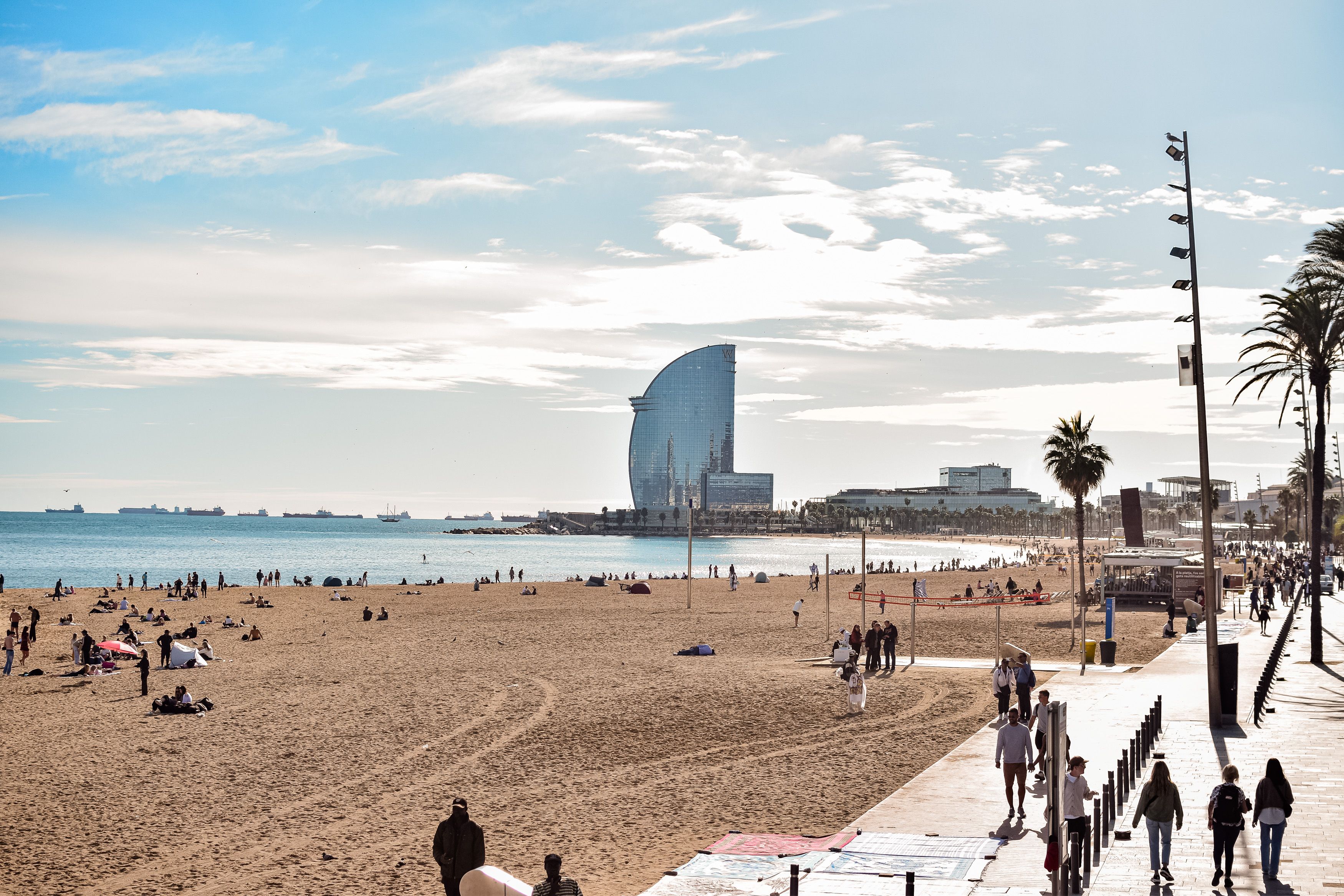
Germany tops the table at US$566 billion, followed by the UK at US$380 billion, France at US$291 billion. Spain leads on international visitor spending, taking in US$130 billion, with each visitor spending US$796 in the country, 1.7 times the European average.
Summit host Malta posts some of the strongest numbers. The sector contributes US$4.6 billion to the Maltese economy in 2025, up 16.8% against 4% growth for the wider economy.
Tourism makes up 16.6% of Malta’s GDP and supports one in five jobs there. International visitor spending reaches US$3.9 billion, 47.5% above 2019.
Across Europe, WTTC forecasts 3.1% sector growth in 2026, well ahead of the 1.1% expected for the wider economy. By 2036, it projects the sector’s GDP contribution will reach US$3.8 trillion, supporting more than 50 million jobs.
Visa queue grows
The first priority targets travel itself. Schengen states issue 5.3 million multiple-entry visas in 2025, 40% fewer than in 2019, and their share of all visas falls from 59% to 51.7%.
WTTC wants the EU to speed up the digital Schengen visa and restore wider use of multiple-entry visas. It also proposes an EU-wide trusted traveller scheme recognising programmes such as US Global Entry, plus a workable framework for biometrics at EU airports.
The call comes while the European Travel Information and Authorisation System (ETIAS) remains out of operation. The EU says it will announce a start date several months before launch.
Too close to home
Almost three-quarters (74.3%) of international arrivals to Europe in 2025 come from within the continent. Strip out that intra-European travel, and Europe’s US$33.9 billion travel and trade surplus turns into a roughly US$45 billion deficit.
Long-haul markets still lag. Arrivals from Asia-Pacific sit 4.8% below 2019, with China down 43.2% and Japan and South Korea around 30% lower.
WTTC recommends public-private marketing partnerships in long-haul markets and stable promotion budgets. It also wants market-mix targets set alongside volume targets, with campaigns paired with easier visa access.

Money plays catch-up
Investment in Europe’s sector reaches US$259 billion in 2025, up 7.1% on the year. It still trails 2019 by 3.6% and falls behind Asia-Pacific (US$395 billion) and North America (US$273 billion).
The council wants travel and tourism recognised as a strategic ecosystem in the next MFF. That status would open direct access to EU investment instruments, and WTTC also seeks regulatory stability and easier financing for small and medium-sized businesses.
Crowds meet climate
The sector produces 6.3% of Europe’s greenhouse gas emissions in 2024, though its emissions intensity drops 14.8% between 2019 and 2024. Mediterranean destinations capture 52.2% of international visitor spending and, according to WTTC, face high exposure to heat and water stress.
WTTC urges investment in climate adaptation, water and waste management and nature protection. It also wants faster uptake of sustainable aviation and maritime fuels.
Visitor numbers add pressure. International arrivals could reach 1.14 billion by 2036, up from 757.3 million in 2025.
To manage that growth, WTTC proposes planning that joins up housing, mobility and local services. It also backs value-based targets over volume, data tools to spread visitors across seasons, and transparent visitor levies ringfenced for destination management.