
From Drizzle to Dazzle: The Best Winter Sun Destinations in Europe for British Travellers
Nov 11, 2026
Category: Destination Guides European Travel Trip Planning
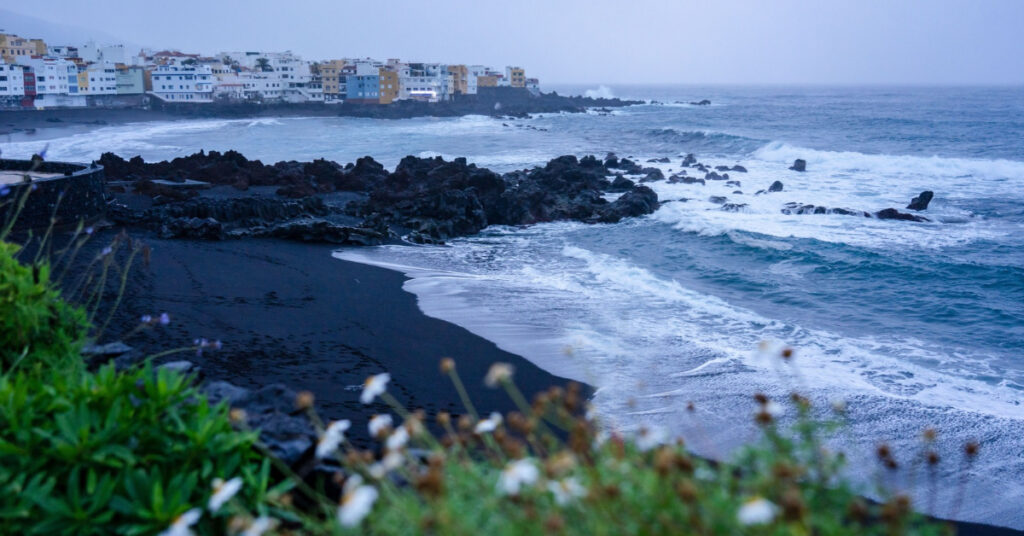
By late December, London gets less than eight hours of daylight, and much of it arrives under a blanket of grey clouds. It’s no surprise that so many Brits start hunting for a short-haul escape where they can still have lunch outdoors.
You don’t need a long-haul flight to find it. Europe’s best winter sun destinations are roughly two to five hours from UK airports, from the volcanic Canary Islands to the orange groves of Andalusia and the honey-coloured streets of Malta.
This guide covers Europe’s warmest, sunniest winter destinations, with realistic temperatures, the best months to go, and what each destination does best. It helps set expectations before you book, because winter sun in Europe means mild days and blue skies, not tropical heat.
The Canary Islands are the only option with near-guaranteed beach weather from November to March. Elsewhere, daytime highs in the mid-to-high teens suit coastal walks, long terrace lunches, and sightseeing without the summer crowds.
What Counts as Winter Sun in Europe?
Winter sun in Europe means daytime highs of about 17°C or more, at least six hours of sunshine a day and little rain between November and March. Think of a bright British day in late spring rather than a summer heatwave.
Temperatures, Sunshine Hours and Sea Temperatures
Sunshine hours matter as much as the thermometer. A mild day under thick cloud feels closer to Brighton than to the Costa del Sol, so when you compare places, check monthly sunshine totals as well as the average high.
The January averages below show the gap between London and two popular Spanish bases.
| January average | London Heathrow | Málaga Airport | Tenerife South Airport |
| Daytime high | 8°C | 17°C | 22°C |
| Overnight low | 3°C | 7°C | 15°C |
| Sunshine hours (month) | 60 | 180 | 193 |
| Days with 1 mm of rain or more | 11 | 6 | 2 |
The sea often decides whether a trip feels like a beach holiday. Waters around Tenerife average 19°C to 21°C from December to February, while the sea off Málaga drops to around 15°C in January.
At 15°C to 17°C, the Mediterranean suits a paddle or a quick dip rather than a long swim. Pack a wetsuit if you plan to snorkel, kayak or paddleboard.
Why Latitude and the Atlantic Matter
The further south you travel, the higher the sun climbs and the longer your days last. In late December, Tenerife gets almost three more hours of daylight than London, and Málaga gets nearly two more.
The Canary Islands lie about 100 kilometres off the coast of north-west Africa, further south than any other mainstream European winter destination. Madeira, a little further north, also benefits from the surrounding Atlantic.
Oceans hold their heat, so island nights stay mild. Compare the overnight lows in the table: dinner on a terrace in Tenerife needs a light layer, while an evening in Málaga calls for a proper jacket.
The Mediterranean cools steadily from December to February. Its coastlines suit sightseeing, hiking and long lunches better than full days on a sunbed.
Matching the Destination to Your Trip Type
Your ideal winter sun spot depends on what you plan to do once you arrive. Work out which of these three groups you belong to before you compare flights:
- Beach and pool seekers: you need highs above 20°C and sea temperatures near 20°C, which quickly narrows your list.
- Active travellers: highs of 15°C to 19°C suit hiking, cycling and golf, and cooler mornings help on longer routes.
- City breakers: dry, clear weather matters more than heat, and a 16°C day suits museums and walking tours.
Many of the best European city breaks for British travellers stay pleasant through winter, so a sunny city can double as your seasonal escape. Guaranteed heat usually means a longer flight and a higher price, so decide early how much warmth you actually need.
The Canary Islands: Europe’s Most Reliable Winter Warmth
The Canary Islands are the only part of Europe where you can count on beach weather right through winter, with daytime highs of around 21°C to 22°C in the main resorts. Each island has its own character, so the right choice depends on whether you want beaches, hiking or a lively city.
Tenerife
Base yourself on the south coast for the most sunshine, in resorts such as Costa Adeje and Los Cristianos. The north, around Puerto de la Cruz, is greener and more local but cloudier, with a higher chance of rain.
Mount Teide rises 3,718 metres at the heart of the Teide National Park World Heritage Site, making it Spain’s highest peak. Snow often caps the summit in winter while the coast stays warm, and you need a free permit, booked ahead, to hike the final path to the crater.
Carnival is Tenerife’s biggest winter event, and Santa Cruz hosts one of Europe’s largest street carnivals. In 2027, celebrations run from 22 January to 28 February, with Carnival Tuesday on 23 February.
Gran Canaria
The south suits a classic beach break, with the Maspalomas dunes and the long sands of Playa del Inglés. Las Palmas, the capital in the north, is a year-round city with Las Canteras beach, good surf, and a busy food scene.
Las Palmas has a large community of remote workers and long-stay winter visitors. You’ll find coworking spaces and monthly rentals if you plan to stay for weeks rather than days.
Lanzarote and Fuerteventura
Lanzarote is the island for volcanic scenery, from the lava fields of Timanfaya National Park to the cave and garden designs of local artist César Manrique. Fuerteventura is the beach island, with white dunes at Corralejo and reliable wind for kitesurfing at Sotavento.
Both islands catch strong trade winds, which can make December and January feel cooler on the sand. Choose a sheltered bay or a hotel with a wind-protected pool if lounging is your priority.
La Palma and La Gomera
La Palma became the world’s first Starlight Reserve in 2012, and its astrotourism trails and viewpoints cluster around the Roque de los Muchachos Observatory. Its volcanic ridges and pine forests also draw serious hikers.
La Gomera is about a 50-minute ferry ride from Los Cristianos in southern Tenerife. Garajonay National Park, a UNESCO World Heritage Site, protects ancient laurel forest, and the island has few large resorts.
Most visitors reach La Palma on a connecting flight through Tenerife or Gran Canaria. Plan an extra travel day each way if you want to see both smaller islands.
Getting There and Typical Costs
Direct flights connect the four main islands with most UK regional airports. Demand stays high all winter, with the Canaries drawing about a quarter of Spain’s foreign arrivals in November 2025 amid record visitor numbers across Spain.
| Island | Main airport | Typical flight time from London |
| Tenerife | Tenerife South (TFS) | About 4 hours 30 minutes |
| Gran Canaria | Gran Canaria (LPA) | About 4 hours 15 minutes |
| Lanzarote | Lanzarote (ACE) | About 4 hours |
| Fuerteventura | Fuerteventura (FUE) | About 4 hours |
Prices peak over Christmas, New Year and February half-term, when families compete for the same flights and rooms. You’ll usually pay less if you travel:
- in late November, before the festive rush
- from the second week of January, once New Year demand drops
- midweek, outside UK school holidays

Madeira: Spring Weather All Winter
Madeira keeps daytime highs of around 19°C to 20°C in Funchal through winter, which feels like a warm British spring day. It suits you if you want mild sunshine for walking and eating outdoors rather than guaranteed beach heat.
Funchal and the South Coast
Funchal faces south across a sheltered bay, giving it some of the island’s mildest winter weather. Spend a morning at the Mercado dos Lavradores, where stalls sell tropical fruit, flowers and fresh fish.
Take the cable car from the old town up to Monte for views over the bay. You can ride part of the way back down in a traditional wicker toboggan steered by two drivers on foot.
Funchal switches on its Christmas lights on 1 December, and the festivities run into early January. On 23 December, Market Night fills the streets around the Mercado dos Lavradores with late-night shopping, food stalls and carol singing.
The New Year’s Eve fireworks over Funchal Bay last about eight minutes and held the Guinness World Record for the largest display from 2006 until 2012. Hotels with bay views book out months ahead, so reserve early if you plan to be there for midnight.
Levada Walks and the Mountains
Levadas are centuries-old irrigation channels, and the flat paths beside them take you deep into the mountains without steep climbs. Many routes pass through the Laurisilva, a laurel forest listed as a UNESCO World Heritage Site in 1999.
Every official PR trail now needs an advance booking through the regional government’s SIMplifica portal, where you choose a 30-minute entry slot. Pay before you set off, since phone signal in the mountains can be patchy.
| Route | What to expect | 2026 fee per person |
| PR1 Vereda do Areeiro | High-mountain ridge path starting at Pico do Areeiro | €10.50 |
| PR6 Levada das 25 Fontes | Levada walk to a pool fed by springs and waterfalls | €4.50 |
| PR9 Levada do Caldeirão Verde | Forest walk with tunnels to a tall waterfall | €4.50 |
| PR11 Vereda dos Balcões | Short, easy walk to a valley viewpoint | €4.50 |
The mountains are cooler and wetter than the coast, and conditions change fast. At Pico do Areeiro, temperatures dipped below freezing in January 2025 while Funchal stayed mild.
Pack a waterproof jacket, warm layers and shoes with good grip. Check whether your route is open, restricted or closed on Visit Madeira’s hiking page on the morning of your walk.
Who Madeira Suits Best
Madeira has few natural sandy beaches, so most coastal swimming happens in lidos and volcanic rock pools. That makes it a better fit for walkers, food lovers and couples than for families after a bucket-and-spade holiday.
The island works well if you:
- want to hike or walk most days
- prefer long lunches and Madeira wine tastings to sunbathing
- are happy with a hilly base and steep streets
For sand, take the Lobo Marinho ferry to Porto Santo, about two and a half hours from Funchal, where a golden beach runs for around 9 kilometres. The ferry stops for several weeks each year for maintenance, so check the timetable before you plan a day trip.
Madeira is an autonomous region of Portugal, but it feels distinct from the mainland. Outside Funchal, its spread-out villages and mountain roads make hiring a car or taking guided tours the easiest way to explore.
Malta and Gozo: History With Mild Winters
Malta’s winters bring daytime highs of around 15°C to 17°C and, on average, more than six hours of sunshine a day. That makes the islands better for sightseeing than sunbathing, with thousands of years of history packed into a small area.
Valletta and the Three Cities
Valletta’s compact grid of Baroque streets earned the capital UNESCO World Heritage status in 1980. Winter is the easiest time to explore it on foot, with shorter queues and no summer heat bouncing off the limestone.
Start at St John’s Co-Cathedral, where the gilded interior holds Caravaggio’s The Beheading of Saint John the Baptist. Then walk to the Upper Barrakka Gardens for views across the Grand Harbour.
The Three Cities of Birgu, Senglea and Cospicua face Valletta across the harbour. A short ferry or a traditional dgħajsa water taxi gets you there in minutes.
Birgu is the best first stop, with Fort St Angelo and quiet backstreets that predate Valletta itself. You can see most of it in a relaxed half day.
Gozo and Coastal Walks
Gozo moves at a slower pace than Malta, with farmland, small villages and far less traffic. Its capital, Victoria, is crowned by the Citadel, whose walls give you views across most of the island.
The Ġgantija Temples near Xagħra are part of a UNESCO-listed group of megalithic sites that predate Stonehenge. Pair them with lunch in Victoria for an easy day trip.
| Ferry | Route | Crossing time | Takes cars |
| Gozo Channel | Ċirkewwa to Mġarr | About 25 minutes | Yes |
| Gozo Highspeed | Valletta to Mġarr | About 45 minutes | No, foot passengers only |
You pay for the Gozo Channel ferry only on the return leg from Mġarr. Both services can be suspended in rough winter seas, so check the timetable on the morning you travel.
Winter suits Gozo’s clifftop walks, which feel exposed and hot in summer. The Ta’ Ċenċ cliffs and the coast around Dwejra make good half-day routes, but strong winds mean you should keep well back from the edges.
Why Malta Appeals to British Travellers
English is an official language alongside Maltese, so signs, menus and bus timetables are easy to follow. A few other details will feel familiar:
- UK-style three-pin plugs
- driving on the left
- direct flights of around three hours from UK airports
Prices are in euros, not pounds. Visitor numbers are climbing fast, with Malta on course for 4.5 million tourists in 2026, so winter trips offer quieter sights than summer.
January is usually the cheapest month for hotels, once New Year demand fades. Book a few weeks ahead if you want a harbour view in Valletta.
Malta Carnival fills Valletta and Floriana with floats, costumes and street parties in the five days before Lent, ending on 9 February 2027. In Gozo, the village of Nadur hosts a looser, more spontaneous carnival after dark.

Cyprus: Winter Sun With Mountain Snow on the Side
Cyprus brings some of the Mediterranean’s warmest winter weather, with coastal highs of around 17°C to 19°C and about six hours of sunshine a day in January. An hour inland, the Troodos Mountains often hold enough snow for skiing, so you can mix beach walks and mountain days on one trip.
Paphos, Limassol and Larnaca
Paphos suits history lovers, since the whole town is a UNESCO World Heritage Site. Its archaeological park holds detailed Roman floor mosaics, and the Tombs of the Kings sit carved into rock near the sea.
Limassol is the liveliest base, with a modern marina, a compact old town and the best spread of restaurants. Ancient Kourion, on a clifftop west of the city, makes an easy half-day trip.
Larnaca works well for short breaks, with the airport about 10 minutes from the Finikoudes seafront. In winter, flamingos gather on the nearby Salt Lake, which you can walk around on a flat path.
| Base | Nearest airport | Drive to Troodos | Good for |
| Paphos | Paphos (PFO) | About 1 hour 30 minutes | Archaeology and quieter coast |
| Limassol | Larnaca or Paphos, both about 45 minutes | About 1 hour | Food, nightlife and mountain day trips |
| Larnaca | Larnaca (LCA) | About 1 hour 30 minutes | Quick transfers and wildlife |
The sea drops to around 16°C-17°C by February, so swimming is for the brave. Hotel pools and spas fill the gap if you want time in the water.
The Troodos Mountains
Mount Olympos rises to 1,952 metres and runs small ski slopes when snow allows, usually between January and March. Conditions vary year to year, so check the snow report before you drive up.
Below the summit, villages such as Kakopetria, Omodos and Platres offer stone houses, local wine and tavernas with log fires. They make a good lunch stop even when there’s no snow.
The region holds ten painted Byzantine churches listed by UNESCO, with murals covering their interiors. Many have steep wooden roofs and variable opening hours, so plan your route around the ones you most want to see.
Mountain temperatures can hover near freezing, while the coast stays mild. For a coast-and-mountain trip, pack:
- a warm coat and waterproof shoes for Troodos
- light layers for coastal afternoons
- sunglasses, since winter sun reflects strongly off snow
Practical Points for UK Visitors
Flights from London take around four and a half hours, with direct routes from several UK regional airports into Paphos and Larnaca. You drive on the left, English is widely spoken, and plugs are the UK three-pin type.
Prices are in euros. Hire a car if you plan to explore Troodos, since winter mountain bus services are limited.
Cyprus does not use the Entry/Exit System (EES), so border officers still stamp your passport by hand. Check your stamp on arrival and keep track of your dates yourself.
The European Travel Information and Authorisation System (ETIAS) is not yet operational. Once it starts, time spent in Cyprus will count separately from the up to 90 days allowed in other countries requiring ETIAS.
Southern Spain: Andalusia and the Costa del Sol
Southern Spain offers mild, bright winter days, with coastal and lowland highs around 16°C to 17°C and plenty of sunshine. It works best for city breaks, golf and walking rather than lazy beach days.
Málaga and the Costa del Sol
Málaga’s Christmas lights on Calle Larios draw crowds from late November into early January. Fill the rest of your days at the Museo Picasso Málaga, the hilltop Alcazaba and the seafront at La Malagueta.
Further along the coast, Nerja, Marbella and Estepona offer quieter stays out of season. The Costa del Sol has dozens of golf courses, and winter is one of the busiest times to play.
Málaga province has more tourist flats than anywhere else in Spain, and listings now need a code from the national short-term rental register. Check that your apartment shows one before you pay a deposit.
Seville, Granada and Córdoba
Winter is the best time for Andalusia’s inland cities, which regularly pass 40°C in summer. Seville stays mild enough for long walks between the cathedral, the Real Alcázar and Plaza de España.
Granada is colder because of its altitude, with frost on more than half of January’s nights at the airport weather station. The reward is the Alhambra with smaller crowds and snow on the Sierra Nevada behind it.
The Nasrid Palaces use fixed entry times, and you can buy official Alhambra tickets up to three months ahead. Bring your passport, since staff check ID against your ticket.
The Sierra Nevada ski resort is under an hour’s drive from Granada and usually opens from late November or December, snow permitting. Combine a morning on the slopes with an afternoon in the city.
Córdoba’s Mezquita-Catedral is the centrepiece of its UNESCO-listed historic centre. High-speed trains get you there from Seville in about 45 minutes, making it a great day trip.
Almería and the Costa Cálida
Almería gets around 200 mm of rain a year, making it one of mainland Europe’s driest corners. Its desert scenery and quiet coastline make it a strong pick if you want reliable blue skies.
Plan your days around:
- the western film-set parks in the Tabernas Desert
- volcanic coves and coastal paths in Cabo de Gata-Níjar Natural Park
- the Alcazaba fortress above Almería city
| January average | Daytime high | Overnight low | Sunshine hours (month) | Days with frost |
| Seville | 16°C | 6°C | 183 | 2 |
| Granada | 13°C | 0°C | 168 | 17 |
| Almería | 17°C | 8°C | 194 | 0 |
| Costa Cálida (San Javier) | 16°C | 6°C | 173 | 2 |
Almería’s nights stay noticeably milder than in Seville or Granada. Pack a warm jacket for inland evenings even if you plan to spend your days in light layers.
East of Almería, the Costa Cálida in Murcia stretches along the Mar Menor lagoon and the port city of Cartagena, home to a restored Roman theatre. It suits a slower, longer stay, with flat seafront walks and golf resorts a short drive inland.

The Algarve: Golf, Coastal Walks, and Quiet Beaches
The Algarve stays mild through winter, with daytime highs of around 16°C in Faro and long spells of dry, sunny weather. It suits golfers, walkers, and anyone who prefers empty beaches to hot ones, with flights from London taking under three hours.
Faro, Lagos and Tavira
Faro makes an easy base, with the airport about 15 minutes from a walled old town and the Ria Formosa lagoon. Take a boat trip through the lagoon’s channels to spot wading birds, which gather there in large numbers over winter.
Lagos, in the west, is known for the cliffs, arches and grottoes around Ponta da Piedade. A boardwalk and stairs take you along the headland, and boat trips into the caves run when the sea is calm enough.
Tavira, in the east, has a slower pace, with whitewashed houses, dozens of churches and a historic bridge across the Gilão River. It is about half an hour from the Spanish border, so you can easily combine Portugal and Spain in one trip.
The sea drops to around 16°C in winter. Pack a wetsuit if you plan to surf or swim for more than a few minutes.
Golf and Walking Season
Winter is one of the Algarve’s busiest golf seasons, since mild temperatures keep courses playable while northern Europe freezes. The biggest cluster sits between Vilamoura, Vale do Lobo and Quinta do Lago, so book tee times early for January and February.
Walkers get the coast at its best, with green clifftops after the autumn rain and none of the summer heat. The trails below cover a range of distances and effort levels.
| Route | Distance | Start and finish | Effort |
| Seven Hanging Valleys Trail | About 6 km one way | Praia da Marinha to Praia de Vale Centeanes | Moderate, with steps and short climbs |
| Ponta da Piedade boardwalk | Short headland walk | Lagos | Easy, with stairs to viewpoints |
| Fishermen’s Trail | About 226 km in 13 stages | São Torpes to Lagos | Moderate, with long sandy sections |
The Fishermen’s Trail is part of the wider Rota Vicentina walking network. You can walk its southern stages from Lagos as day hikes rather than committing to the full route.
Cliff paths can be slippery after rain and exposed in strong wind. Wear proper shoes and stay well back from unfenced edges.
Almond Blossom and Off-Season Value
Almond trees flower across the inland Algarve from late January into February, around towns such as Loulé, Silves and Alte. A countryside drive or walk at this time lets you see a side of the region most summer visitors never see.
Winter brings quieter towns and lower prices, but some things change. Plan around these points:
- some beach bars and seafront restaurants close between November and March
- island ferries and boat trips run reduced timetables
- local buses run less often, so a hire car makes inland trips easier
Self-catering apartments are widely available in winter. Ask about monthly rates if you plan to stay for several weeks, and check heating before you book, since many Algarve homes are built for summer.
Greece and Southern Italy: Off-Season Island Escapes
Crete, Rhodes and Sicily offer mild winter days around 13°C to 14°C, plus quiet historic sites and lower prices than in summer. They suit you best if you want culture, food and walking, since winter here brings more rain and cooler seas than the Atlantic islands.
| January average | Daytime high | Night low | Days with some rain | Sea temperature |
| Heraklion, Crete | 14°C | 7°C | 12 | 16°C |
| Rhodes Town | 14°C | 8°C | 13 | 17°C |
| Palermo, Sicily | 13°C | 8°C | 11 | 15°C |
Crete
Chania and Heraklion stay open year-round, so you can rely on restaurants, museums, and shops even in January. Chania’s Venetian harbour and old town make an easy base for walking.
Knossos opens year-round with shorter winter hours, and you can see it without the summer queues. Pair it with the Heraklion Archaeological Museum, which holds many of the site’s best finds.
Winter is harvest time, with olive picking and oranges ripening across the island from late autumn. Some village tavernas and mills welcome visitors during the season.
Direct flights from the UK thin out over winter, so many routes connect through Athens. Greece is pushing for more year-round tourism after a record 2025, which may add services in future seasons.
Rhodes and the Wider Greek Islands
Many Greek islands largely close between November and March, with resort hotels shut and ferries on reduced timetables. Rhodes Town is the exception, as locals live there year-round.
The walled Medieval City of Rhodes is a UNESCO World Heritage Site, built by the Knights of St John. In winter you can explore the Street of the Knights and the Palace of the Grand Master with far fewer visitors.
Before you book any Greek island in winter, check:
- whether your hotel stays open through your dates
- the current ferry timetable, since crossings can be cancelled in bad weather
- that the restaurants and sights you want aren’t on a seasonal break
Base yourself in a main town rather than a beach resort. You’ll find more open restaurants and better public transport.
Sicily
Palermo and Catania are working cities, so winter barely slows them down. Spend mornings at Palermo’s Ballarò and Capo markets or Catania’s fish market, where you can eat street food for a few euros.
Mount Etna often has snow on its upper slopes in winter, and small ski areas open on its southern and northern sides when conditions allow. You can drive from the snowline back to the coast in about an hour.
The Valley of the Temples at Agrigento is one of the best-preserved groups of Greek temples outside Greece. Almond trees bloom around the site in late winter, and Agrigento holds its Almond Blossom Festival around this time.
Several UK airports run direct winter flights to Catania and Palermo. A hire car gives you the most freedom, since winter bus and train links between smaller towns are limited.

When to Go: A Month-by-Month Guide to Winter Sun
The best month for winter sun depends on what you want: November offers the warmest seas, January the lowest prices, and March the longest days. Christmas, New Year and February half-term cost the most, so your dates matter as much as your destination.
November
November is your last chance for a comfortable swim in the Mediterranean, since the sea still holds much of its summer warmth. Cyprus averages around 21°C, while Atlantic islands such as Tenerife stay close to 22°C.
The table shows how fast sea temperatures fall through the season.
| Month | Tenerife | Paphos, Cyprus | Málaga |
| November | 22°C | 21°C | 17°C |
| December | 21°C | 19°C | 16°C |
| January | 20°C | 17°C | 15°C |
| February | 19°C | 16°C | 15°C |
| March | 19°C | 16°C | 15°C |
Prices stay low until the festive rush begins in mid-December. Late November also avoids school holidays, so you’ll share resorts mainly with couples and retirees.
December and January
December and January bring the season’s shortest days and coolest temperatures. If warmth is your priority, the Atlantic islands offer the most reliable conditions, while the Mediterranean becomes better suited to sightseeing.
Christmas and New Year push flight and hotel prices to their highest. Prices usually drop from the second week of January, once families return home and schools restart.
Border checks were slowest over Christmas last year, with airports reporting processing times up 70% during the EES rollout. Arrive early if you travel over the festive weeks.
February and Half-Term
February brings carnival season, with street parades and costume parties across southern Europe in the weeks before Lent. Ash Wednesday falls on 10 February 2027, so most carnival celebrations take place in early to mid-February.
Half-term is the most expensive week of the month for families. Most schools in England and Wales break in mid-February, but you can check your exact dates with your local council.
If you are tied to school holidays, these steps can help keep costs down:
- book flights as soon as your school confirms its dates
- fly from a smaller regional airport, which can be cheaper than London
- travel midweek rather than on the first Saturday of half-term
February is also almond blossom season in parts of Portugal, Spain and Sicily. Days grow noticeably longer by the end of the month.
March
March brings longer days, warmer afternoons and spring flowers across Mediterranean islands and southern Spain. Sea temperatures stay low, so the month suits walking, cycling and sightseeing more than swimming.
Easter Sunday falls on 28 March 2027, the same day clocks go forward across the UK and Europe. Prices climb over the Easter weekend and into early April, so book early or travel in the first half of March.
Planning Your Winter Sun Trip From the UK
Plan a winter sun trip by setting your dates first, booking flights early for school holidays, and checking your passport well before you travel. You also need to know how the 90/180-day rule and Europe’s digital border checks apply to you, especially if you plan to stay for weeks rather than days.
Flights, Airports and Booking Windows
Winter sun routes run from most UK regional airports, including Manchester, Birmingham, Bristol, Edinburgh and Glasgow. Flying from your nearest airport can save you a long transfer and sometimes undercut London fares.
Book Christmas, New Year and February half-term trips as early as possible, since family demand fills flights first. If your dates are flexible, January and early March give you more room to wait for a good fare.
Check whether your airline flies the route all winter or only on certain days. Some leisure routes drop to one or two flights a week outside the holidays.
Long Winter Stays and the 90/180-Day Rule
More British travellers now spend a month or more of winter in southern Europe. As a UK national, you can stay up to 90 days in any 180-day period across the Schengen countries, and every day counts toward the same total.
The Entry/Exit System now records each entry and exit digitally, which makes overstays easy to spot. You can check how many days you have left using the official EES online tool.
The 180-day window rolls, so it doesn’t reset on 1 January. Count back 180 days from your planned departure date before you book a long return trip.
Passports and Entry Requirements
UK passports must meet two separate rules to enter the Schengen area, and failing either one can stop you from boarding. The table sets out what to check before you go.
| Requirement | What it means for you | When to check |
| Date of issue | Your passport must be less than 10 years old on the day you enter | When you book |
| Expiry date | It must be valid for at least three months after the day you plan to leave | When you book |
| EES registration | Fingerprints and a facial image are taken at your first crossing | On arrival |
| ETIAS | Not yet operational; the EU will announce a start date months in advance | Before each future trip |
Passports renewed before late 2018 may show extra months that don’t count for Schengen travel. Go by the date of issue, not just the expiry date.
Your first crossing under the EES takes longer while your biometrics are recorded. Later trips should be quicker, since the system already holds your details.
ETIAS will cost €20 once it starts and stay valid for three years or until your passport expires. You can follow the application steps for UK travellers now so you’re ready when the system opens.
Packing and Budgeting
Winter sun still means cool evenings, so pack for both. Your bag should include:
- a warm layer or light jacket for evenings
- a waterproof for mountain areas and rainy spells
- sun cream and sunglasses, since UV can reach moderate levels even in January
- comfortable walking shoes for cobbled old towns and coastal paths
Apply for a free UK Global Health Insurance Card if you don’t already have one. It covers state healthcare in EU countries but not everything, so buy travel insurance as well.
Self-catering keeps costs down on longer stays, and supermarkets in southern Europe often beat UK prices for fresh produce. Set aside money for a hire car if you plan to explore beyond your base, since winter bus timetables are often reduced.

Swap the Grey for Blue Skies This Winter
Europe’s best winter sun destinations are closer than you might think, with mild, bright days only a few hours from UK airports. Pick the place that fits your trip, whether that means beach weather in the Canaries, mountain walks in Madeira or history in Malta and Cyprus.
Book early for school holidays, or travel in late November or mid-January for better prices. Before you go, check the latest European entry rules for British travellers to ensure a smooth start.