
The Best European City Breaks for British Travellers in 2026
Aug 7, 2026
Category: Destination Guides

Cheap flights to Europe are still easy to find. What’s changed is how long border checks take.
British travellers can still find fares for European city breaks, but many now spend longer in queues than they did a year ago. Planning matters as much as finding a bargain.
European city breaks remain ideal from the UK. Most destinations are one to three hours away by air, putting Paris, Amsterdam, Rome and Barcelona within easy reach for a long weekend.
This guide groups cities by what you want from a trip, whether that’s value, food, museums or winter sun. It also explains the passport and border rules that now apply.
Three things have changed in 2026: more rail options from St Pancras, off-season fares worth planning around, and longer airport processing times to factor in.
What Makes a Good European City Break in 2026
A good city break in 2026 matches your travel time, budget and season to the length of your trip. Get those right and even two nights feels worthwhile. Get them wrong and you spend too much time travelling or overspending.
Focus on door-to-door time, not flight time. A two-hour flight can become a six-hour journey once you add airport travel, security and transfers.
Aim for journeys of no more than four hours each way. Anything longer is usually better suited to three or four nights.
Fares are often the smallest part of the bill. Tourist taxes and transfers can add far more than expected.
For example, Amsterdam, the Netherlands charges a 12.5% room tax, adding about £30 to a two-night stay in a mid-range hotel.
| Airport | Distance to city centre | Typical transfer |
| Milan Bergamo | 45 km | Coach, about 1 hour |
| Pisa (for Florence) | 85 km | Train, about 1 hour |
| Paris Beauvais | 85 km | Coach, about 1 hour 15 |
Walkability matters on a short break. Compact cities let you see more on foot without paying for transport.
Bruges is one of the easiest to explore, with most sights within a 20-minute walk. Larger capitals need more planning, making them better suited to longer stays.
Also consider hills, cobbles and river crossings, which can make journeys feel longer than they appear on a map.
Season affects prices more than ever. Peak summer rates have climbed across southern Europe as visitor caps and tighter short-let rules reduce supply.
Rome, Italy, is a clear example: a July hotel room can cost twice as much as in March. March to May and September to October usually offer lower prices, smaller crowds and pleasant weather.
Finally, allow extra airport time. Border checks take longer in both directions.
Plan for an extra hour at the airport compared with two years ago. On a Friday evening departure, that could be the difference between catching your flight and missing it.
Best Value City Breaks for British Travellers
The best-value city breaks keep daily costs low after you arrive, not just flight prices. Central and eastern Europe and northern Portugal offer some of the biggest savings.
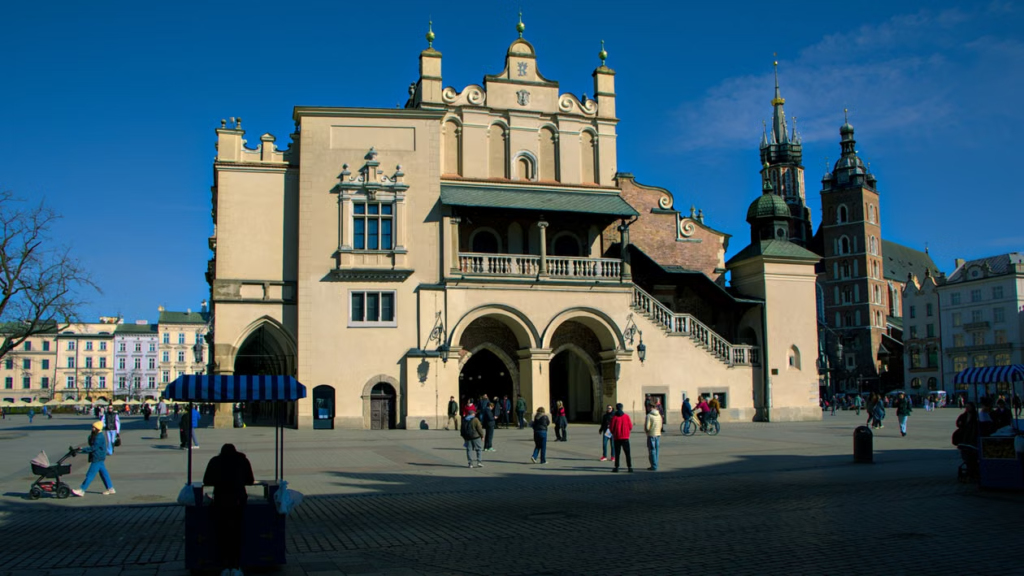
Krakow
Flights depart from Manchester, Edinburgh, Birmingham and Bristol, so many travellers can avoid London. Outside July and August, return fares often cost under £60.
The Old Town and Kazimierz are just 15 minutes apart on foot, and lunch typically costs £8–£12.
Auschwitz-Birkenau is 70 km west and should be booked well in advance. English-language tours are released three months ahead and sell out quickly.
Porto
The port lodges in Vila Nova de Gaia are a 10-minute walk across the Dom Luís I Bridge, with tastings from about €15.
Porto is often 20–30% cheaper than Lisbon for accommodation. A boutique hotel near Ribeira costs about €120 a night in shoulder season.
The historic centre is a UNESCO World Heritage Site and compact enough to explore on foot, though it’s hilly.
Sofia
Sofia has the lowest daily costs of any capital on this list. Coffee costs about €1.50, while main courses are typically €8–€10.
Vitosha Mountain is around 40 minutes away by bus, making hiking or skiing easy day trips.
Wizz Air and Ryanair fly direct from Luton and Stansted, with seasonal Manchester routes. Bulgaria now uses the euro, so there’s no need to exchange currency separately.
Valencia
A combined ticket for the City of Arts and Sciences costs about €42 and is cheaper than buying attractions separately.
The nine-kilometre Turia park offers a traffic-free route across the city, while Malvarrosa Beach is 20 minutes away by tram.
Valencia is generally cheaper than Madrid and Barcelona for food and accommodation, with authentic paella at local prices.
Riga
Riga’s Art Nouveau district around Alberta iela is free to explore, while the Riga Art Nouveau Centre costs about €9.
The Central Market’s converted Zeppelin hangars offer inexpensive meals, and local beer costs around €4.
In December, sunset comes before 16:00, so plan outdoor sightseeing earlier in the day.
Best Short-Hop Cities Within Three Hours of the UK
Five cities offer a true city break within a three-hour flight of the UK, most in closer to two. A short flight means you can leave on Friday evening and still enjoy a full Saturday.
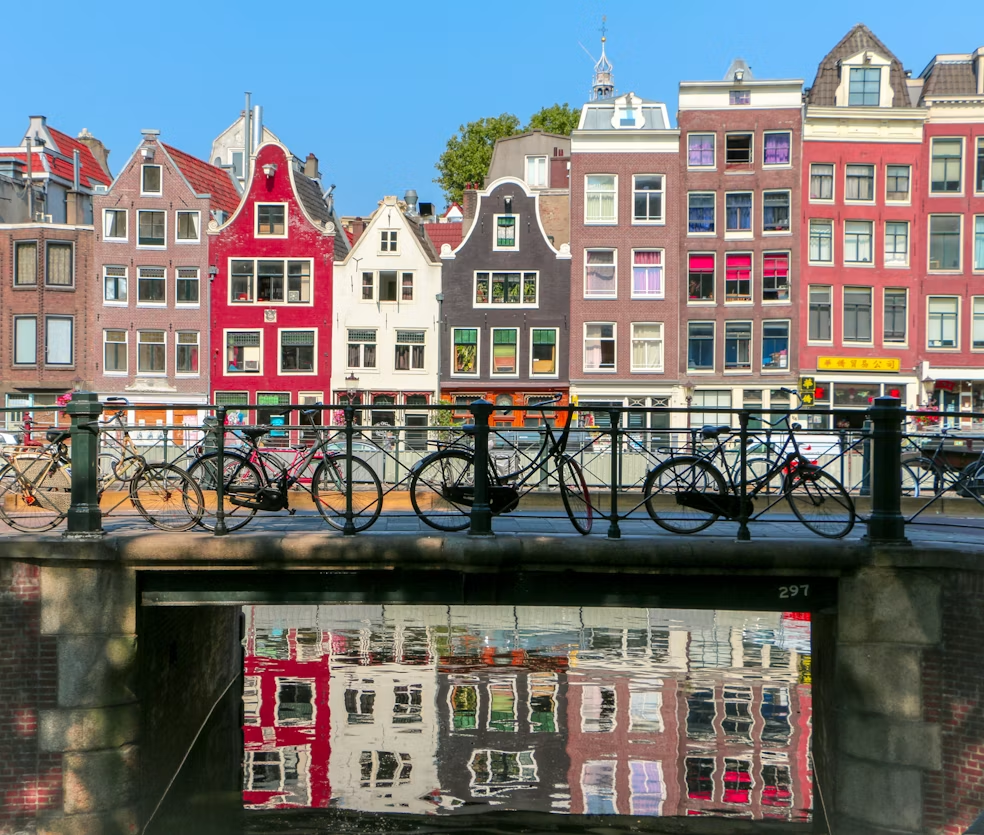
Amsterdam
Flights from London take about 1 hour 15 minutes, with direct services from Manchester, Newcastle, Bristol and Edinburgh.
Major museums use timed entry and sell out quickly. Anne Frank House releases tickets six weeks ahead, so book early.
Staying in the canal ring costs more, and the tourist tax is charged as a percentage of the room rate. A boutique hotel on a canal can exceed €200 a night before tax, while De Pijp and Oost are more affordable.
Bruges and Ghent
Fly to Brussels in about 1 hour 10 minutes, then take the train. Bruges is an hour away, while Ghent is around 30 minutes.
Bruges’ historic centre is a UNESCO World Heritage Site and small enough to cross on foot in 30 minutes. Day-trip crowds usually leave after 17:00.
Ghent is quieter, cheaper and has a similar medieval centre, just 25 minutes from Bruges by train.
Copenhagen
Flights from London take about 1 hour 55 minutes, but costs are high. Expect to pay around £7 for a beer and £15–£20 for a casual lunch.
Cycling is the easiest way to get around, with hire bikes costing about 100 kroner a day.
Nyhavn is central but expensive. Nørrebro offers better value and food, just 15 minutes from the centre.
Dublin
Flights from more than 20 UK airports reach Dublin in about 1 hour 20 minutes. Fares are usually lowest outside bank holiday weekends and rugby fixtures.
Ireland is outside the Schengen area, so continental border rules don’t apply.
British citizens travel under the Common Travel Area and don’t need a passport for immigration, though most airlines require one as photo ID.
Paris
Flights from London take about 1 hour 15 minutes. Charles de Gaulle is 25 km from the centre, with the RER B taking about 35 minutes.
Paris remains an ideal first city break, with its main sights, restaurants and walking routes concentrated in a few arrondissements. Two nights is enough for a first visit.
The Best Cities to Reach by Rail from the UK
Five cities are reachable direct from London St Pancras: Paris, Lille, Brussels, Rotterdam and Amsterdam. Many more are within a day’s journey with one connection.
Direct journeys range from 1 hour 22 minutes to Lille to 4 hours 9 minutes to Amsterdam. Paris takes 2 hours 16 minutes, and Brussels 1 hour 53 minutes.
Rotterdam, around 3 hours 10 minutes from London, is worth visiting in its own right. Rebuilt after 1940, its modern architecture sets it apart from the rest of the Netherlands.
Antwerp joins the direct network on 14 December 2026 with four daily services taking 2 hours 41 minutes. Return trains still change at Brussels because Antwerpen-Centraal lacks UK border facilities.
Changing at Brussels opens up more destinations. Cologne is about 1 hour 50 minutes away on the ICE, making it roughly five hours from London door to door. Bruges is an hour away, while Lyon is around two hours from Paris by TGV.
Rail’s biggest advantage is convenience. You leave from central London and arrive in central Paris, Brussels or Amsterdam without airport transfers.
| Route | Rail, centre to centre | Flight, gate to gate |
| London to Paris | 2 hr 16 | 1 hr 15 plus 2 transfers |
| London to Brussels | 1 hr 53 | 1 hr 10 plus 2 transfers |
| London to Amsterdam | 4 hr 9 | 1 hr 15 plus 2 transfers |
Check-in at St Pancras closes 30 minutes before departure for Standard tickets and 10 minutes for Business Premier. Allow 90 minutes at busy times.
Continental entry checks are completed before boarding, so you simply walk out on arrival.
Standard tickets include two large bags and one piece of hand luggage, with no weight limit or extra baggage fees. You can also carry full-size toiletries, drinks and food.
Tickets go on sale up to 180 days ahead. One-way fares start from £39 but often cost three or four times more when booked a fortnight before travel. Friday and Sunday evenings are the most expensive, while midweek departures are usually cheaper.
Best City Breaks for Food and Drink
Four cities stand out for great food without London-level prices: Bologna, San Sebastián, Lisbon and Lyon. Each is easy to explore on foot, with excellent casual dining.
Bologna
The Quadrilatero, just east of Piazza Maggiore, is packed with traditional delis, butchers and pasta shops.
Local classics include tagliatelle al ragù and tortellini in broth. Thanks to its 90,000 students, prices stay reasonable, with fresh pasta typically €10–€14 in a trattoria.
San Sebastián
Pintxos bars fill the Parte Vieja. The tradition is to order one dish, pay, then move on, with pintxos costing about €3–€5 each.
The city has one of the world’s highest concentrations of Michelin-starred restaurants, though most visitors stick to the bars.
There are no direct UK flights. Fly to Bilbao and take a 1 hour 15 minute bus, or fly to Biarritz and cross the border in about 45 minutes.
Lisbon
Time Out Market is a good introduction to Lisbon’s food scene, bringing together leading local chefs.
For pastéis de nata, visit Pastéis de Belém, which has been baking them since 1837. The queue moves faster than it appears.
Lisbon’s steep hills make journeys longer than they look, so use the funiculars and Tram 28 when travelling between neighbourhoods.
Lyon
Traditional bouchons serve classic Lyonnais cuisine. Choose one with the Authentique Bouchon Lyonnais certification.
Les Halles Paul Bocuse brings together around 50 food traders, many with counters for eating in.
Lyon is about two hours from Paris by TGV, with frequent departures from Gare de Lyon.
Best City Breaks for Museums, Galleries and Architecture
Vienna, Madrid, Berlin and Florence offer some of Europe’s finest museums and architecture within easy reach. Book the most popular attractions before you travel.
Vienna
The MuseumsQuartier brings together the Leopold, mumok and Kunsthalle within a five-minute walk.
Nearby, the Kunsthistorisches houses the world’s largest Bruegel collection. Entry is about €21.
The Vienna Pass only offers good value if you visit three or four paid attractions a day.
Madrid
The Prado, Reina Sofía and Thyssen-Bornemisza form the Golden Triangle, all within a 15-minute walk. A Paseo del Arte ticket costs about €32, compared with roughly €45 separately.
All three offer free entry at selected times, but queues are long. Arrive at least 30 minutes early.
Berlin
Museum Island contains five museums on one UNESCO-listed site. The Pergamon remains partly closed for renovation, so check ahead.
For Cold War history, the Berlin Wall Memorial at Bernauer Strasse offers the most complete experience, with a preserved section of the former border and free entry.
Berlin is spread out, so a day ticket for zones AB, costing about €10.60, is good value.
Florence
The Uffizi and Accademia both require timed entry, with tickets often selling out in peak season. Official prices are about €25 for the Uffizi in high season and €16 for the Accademia, plus a €4 booking fee.
Florence, Italy is best explored over at least two nights. The Duomo complex alone can take half a day, especially if you climb the dome, which also requires timed entry.

Best City Breaks for Winter and Christmas Markets
Vienna, Strasbourg, Tallinn, Zagreb and Budapest host some of Europe’s best Christmas markets, each with its own character. Book by early autumn, as hotels often sell out three months in advance.
Most Christmas markets open in late November and close on 24 or 26 December, though some continue into early January at lower prices.
Vienna has around 20 markets. The Rathaus is the largest, while Spittelberg and Freyung are quieter and focus more on crafts.
Strasbourg’s market dates to 1570 and spreads across the old town, blending Alsatian food with German festive traditions.
Tallinn centres its market on one square within its medieval walled city, making it the most compact and easy to explore.
Zagreb’s Advent takes place across the city, with ice skating, concerts and lower prices than Austria or Germany.
Budapest, Hungary combines its Vörösmarty Square market with famous thermal baths. Széchenyi stays open through winter, with day tickets from about €35.
Fisherman’s Bastion offers one of the city’s best viewpoints. The lower terraces are free, while the upper terraces cost about €4 and are especially atmospheric after dark.
Daylight is limited in northern cities. Tallinn has only about six hours of daylight in late December, with sunset before 15:30.
Visit indoor attractions during the day and enjoy the markets after dark, when they’re at their most atmospheric.
| Item | Why it earns the space |
| Thermal base layer | Adds warmth without bulk |
| Waterproof boots with grip | Essential for icy cobbles and outdoor markets |
| Gloves and hat | Cheaper to buy before you travel |
| Small daypack | Keeps your hands free for food and drinks |
Airport queues are longest in December, especially on the middle weekend of the month and before Christmas Eve. Allow at least 45 extra minutes, particularly for Friday afternoon and evening flights.
Best Cities for Winter Sun and Shoulder-Season Warmth
Seville, Málaga, Palermo, Athens and Valletta offer mild weather when the UK is cold, though not beach conditions. Expect 15C to 19C in the shoulder seasons, ideal for sightseeing and outdoor dining.
Seville averages 17C in January and 21C by March. Málaga is slightly warmer at around 18C in January, while Palermo and Valletta stay between 16C and 17C. Athens, Greece averages 13C in January and 18C in April.
Rain is more of a factor than temperature in western Spain, so pack a light waterproof.
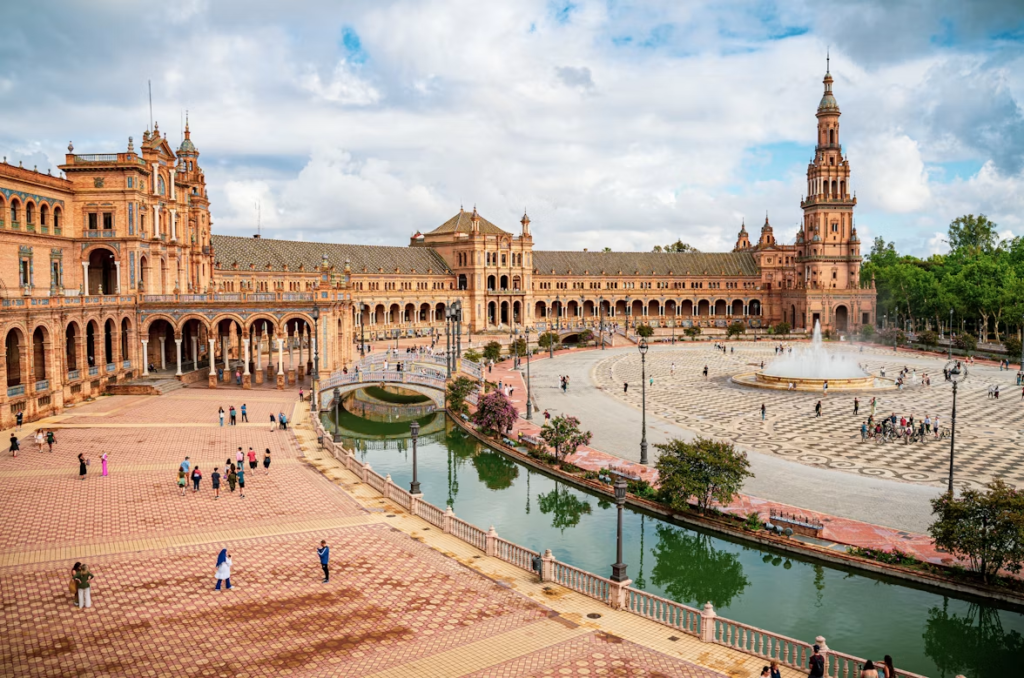
Seville is best in March and April, before the summer heat. Book timed entry for the Alcázar and cathedral well ahead in spring.
Athens, Greece is excellent in winter. The Acropolis costs €10 from 1 November to 31 March, compared with €30 in summer, and crowds are much smaller.
Palermo offers markets, street food and Norman architecture with few visitors, though UK flight options are more limited in winter.
Valletta is compact enough for a day trip and warm enough for outdoor cafés in February. Malta also offers one of the shortest UK flights to spring-like weather in March and April.
Dubrovnik remains open year-round, but many businesses close outside the main season and UK flights become limited.
Travelling in these months can cut accommodation costs in Seville and Athens by 30% to 50% compared with August, with cheaper flights outside school holidays.
Many coastal facilities close from around October to April, and sea temperatures in Málaga and Palermo stay at 15C to 16C.
| City | January high | Best shoulder month |
| Seville | 17C | March to April |
| Málaga | 18C | March to April |
| Palermo | 16C | April |
| Athens | 13C | April |
| Valletta | 16C | March to April |
These destinations are best for city breaks with pleasant weather, not beach holidays.
Passport, Border and Entry Rules for UK Travellers in 2026
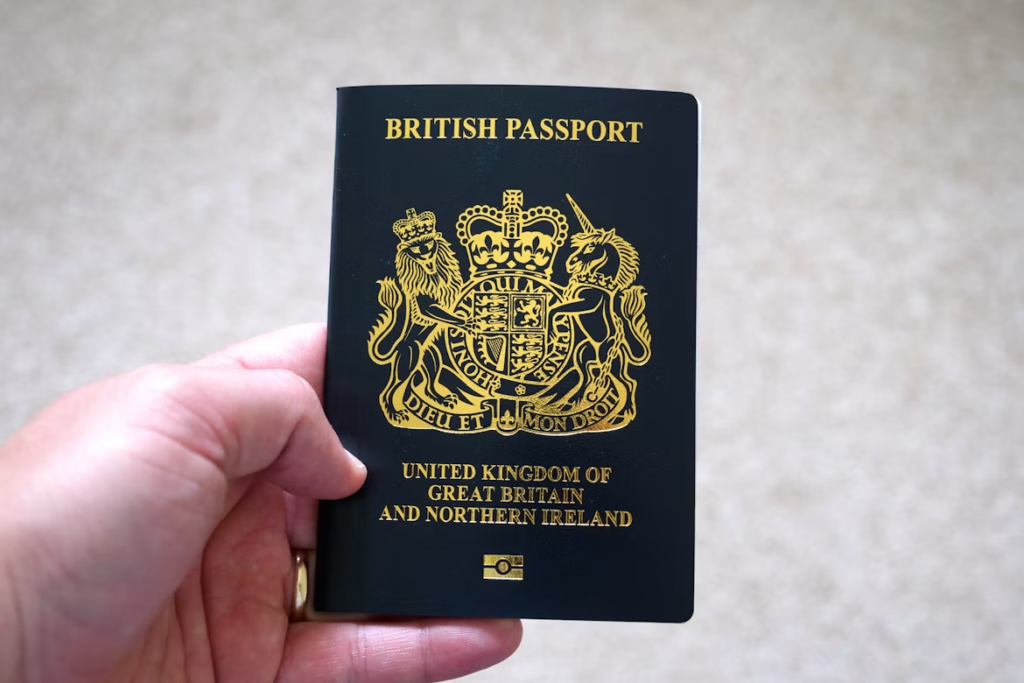
British passport holders must meet two passport rules, stay within the 90-day Schengen limit, and complete biometric border checks. No other pre-travel authorisation is currently required.
Your passport must have been issued within the past 10 years and remain valid for at least three months after leaving the Schengen area.
You can stay for up to 90 days in any rolling 180-day period across the entire Schengen area. Time spent in Prague, Warsaw or Ljubljana all counts towards the same allowance.
The Entry/Exit System (EES) has operated across 29 European countries since 10 April 2026, replacing passport stamps with digital records.
On your first crossing, border staff record your facial image and fingerprints. The record lasts three years, making later crossings quicker. Children under 12 provide only a facial image.
Border queues remain longer than before, so allow an extra hour at airports and Channel crossings. The checks also apply at smaller airports such as Gdansk and Vilnius.
Meanwhile, the European Travel Information and Authorisation System (ETIAS) is not in operation. Applications are not open, and no launch date has been confirmed. Ignore websites claiming to sell one.
Cyprus and Ireland are outside the system. Passport stamps are still issued manually, and time spent there does not count towards your Schengen allowance.
Once inside the Schengen area, there are no routine border checks, whether you’re visiting the Colosseum or heading to a Ruin Bars crawl in Budapest.
A UK Global Health Insurance Card (GHIC) provides access to state healthcare in EU countries on the same terms as local residents and is free from the NHS.
The GHIC does not replace travel insurance. It won’t cover private treatment, medical repatriation or lost belongings.
How to Plan and Budget a European City Break in 2026
Book flights eight to ten weeks ahead and rail as early as possible. Budget about twice your fare to cover the full cost of the trip.
Flight prices are usually lowest six to ten weeks before departure, while rail fares rise as cheaper tickets sell out.
Budget airline fares can increase quickly once extras are added.
| Cost | Typical add-on |
| Cabin bag | £15–£30 each way |
| Checked 20 kg bag | £25–£45 each way |
| Seat selection | £5–£20 each way |
| Airport transfer | £10–£25 each way |
A £25 return fare can easily become £140 once extras are included, so compare the total cost before booking.
A central hotel often saves 30–40 minutes of travel each day, which matters on a short break. Remember that tourist taxes are usually charged separately.
Travelling with hand luggage avoids baggage fees but limits liquids and shopping space.
Prepare travel documents a week before departure. Save boarding passes offline, note your accommodation address, and keep a separate photo of your passport.
Cards are widely accepted across the eurozone, but carry around €50 in cash for smaller businesses. Always pay in local currency rather than pounds to avoid poor exchange rates.
Outside the eurozone, you’ll need local currency. Turkey and the Nordic countries use their own currencies, while Helsinki is generally more expensive than Mediterranean cities.
For two people, including flights, expect to spend about £350–£450 for a budget destination, £600–£800 for a mid-range trip, and £1,000 or more for premium cities. Rome sits at the top end in peak season, and the Eternal City charges a tourist tax of up to €10 per person per night.
Free attractions help keep costs down. The Trevi Fountain is free, and many cities offer free museum days.
Don’t compare city breaks with resort holidays. Ibiza, Mallorca, the Amalfi Coast and Iceland’s Blue Lagoon have different pricing. A better comparison is a UK weekend, as two nights in York with rail fares can cost more than a break in Kraków or Sofia.
Pick Your City, Then Book it Properly
Choose a city that suits your budget, travel dates and the length of your trip. Once you’ve narrowed your options, use the relevant section to compare costs, food, museums or weather.
Whichever destination you choose, allow an extra hour for border checks and check if your passport meets the entry requirements before booking your flights or train.