
Travelling to Europe with Children: A Family Planning Guide
Aug 15, 2026
Category: European Travel Travel Tips
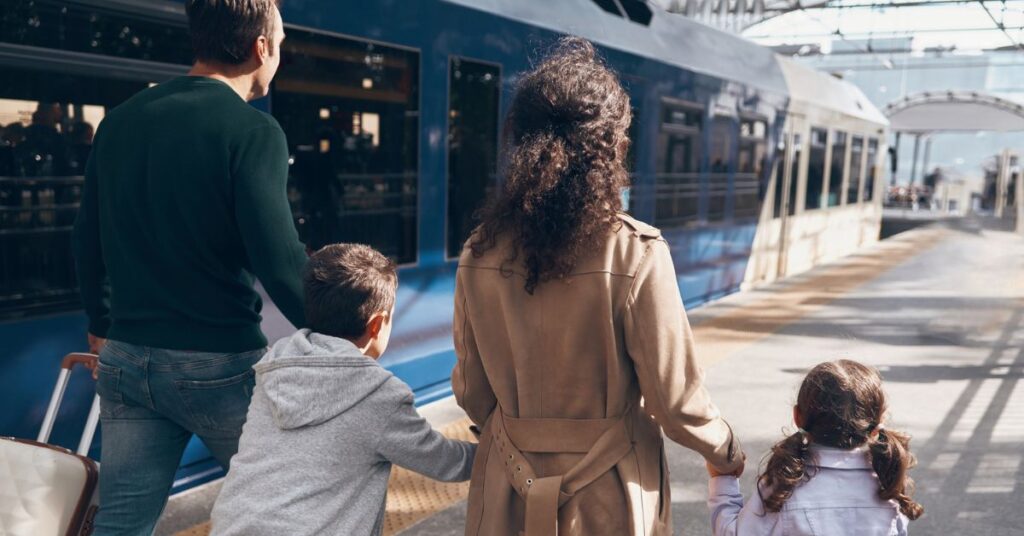
Europe is ideal for a family vacation. Flights from London and other UK airports are usually under three hours, rail links are extensive, and many city centres are walkable.
But travelling to Europe with kids rewards planning. A missed connection is inconvenient on its own; with a toddler, a pushchair and dwindling snacks, it can become a crisis.
This guide covers the essentials of trip planning for a trip to Europe with kids: where to go, costs, transport, accommodation, documents, healthcare and how to plan days that work for everyone.
Choosing the Right European Destination for Your Family
Not all family-friendly destinations suit every age, so choose one that matches your children’s ages and your tolerance for travel. Keep journeys short and bases walkable when they’re young, adding distance and complexity as they grow.
Best destinations for babies and toddlers
Prioritise direct flights under three hours. The Algarve, Costa Brava, Brittany, Mallorca and the Dutch coast all offer pushchair-friendly resort towns.
At this age, convenience matters more than sightseeing. Look for accommodation within walking distance of a beach, supermarket and pharmacy, ideally with a kitchen for early meals.
Cobbles, hills and stairs can make pushchairs and strollers difficult to use. Particularly challenging places include:
- Lisbon, with steep hills and tiled pavements
- Rome’s historic centre, around the Colosseum, with uneven basalt streets
- The Paris Métro, where many stations lack lifts
- Venice, where the stepped bridges over the canals make wheeled transport awkward
- Dubrovnik’s old town, with numerous steps
Best destinations for primary-age children
Once a beach alone is not enough; choose places that combine swimming with activities. The Netherlands, Denmark, Belgium, coastal Italy and Croatia’s Dalmatian coast work well.
Some trips can centre on one major amusement park. Efteling, PortAventura, Europa-Park and Disneyland Paris can each fill two or three days, with nearby cities or coasts covering the rest of the week.
Amsterdam, Copenhagen, Berlin, Madrid and Barcelona are also good family cities, combining parks, cycling, beaches or waterfronts with museums. Paris earns its place too, pairing icons like the Eiffel Tower with riverside parks and boat trips along the Seine.
Best destinations for teenagers
Once children can carry their own bags, rail travel makes multi-stop trips easier. Routes through Italy — linking Florence, Venice and Rome — or through Spain and central Europe offer variety and independence.
Activity-led destinations often work better than sightseeing-heavy ones. Consider the Alps in Austria in summer, where Salzburg and the lakeside village of Hallstatt make an easy pairing; the Portuguese surf coast around Ericeira and Peniche; or Croatia’s islands and Greek gems such as Santorini.
Build in flexibility. A later start, shared afternoon or a few independent hours can work better than a tightly planned itinerary.
Matching destination to trip length
Every change of base can take up much of a day with packing, check-out, travel and settling in. A day trip from a single base is often less disruptive than relocating, and still lets you see somewhere new.
Three-centre trips are rarely worth it with young children. Frequent packing, disrupted naps and transfer days can quickly outweigh the benefits of seeing another destination.
When to Travel: Timing Your Family Trip to Europe
Late May, June and September usually offer the best balance of weather, prices and crowds. If you’re tied to school holidays, choose a destination that suits the season.
School holidays versus term time
Prices rise sharply during school holidays, especially in late July and August. Half-term weeks also bring smaller increases.
Scottish schools typically finish earlier than those in England and Wales, creating useful windows in late June and the second half of August.
Taking children out of school during term time can lead to penalties. Rules vary across England, Scotland, Wales and Northern Ireland, so check your local authority’s policy before booking.
Weather, crowds and the shoulder season
Southern Europe can reach 35°C or higher in July and August, particularly inland, making midday sightseeing difficult.
This is especially challenging with babies and toddlers. For cooler summer trips, consider Denmark, the Netherlands, northern France or the Baltic coast.
| Period | Southern Europe | Northern Europe | Prices |
| April–May | Warm, sea still cool | Cool and changeable | Low |
| June | Hot, sea swimmable | Mild and bright | Rising |
| July–August | Very hot and busy | Warmest and busy | Peak |
| September | Warm, sea still warm | Cooler and quieter | Falling |
| October | Mild, some closures | Wet with shorter days | Low |
September is often overlooked: the sea remains warm, crowds thin and prices fall once schools return.
European holiday periods that affect availability
Local holidays can mean closures, road restrictions and limited accommodation.
In Italy, Ferragosto on 15 August brings widespread closures, often extending into the surrounding weeks. Many independent businesses in France also close for part of August, while Spanish fiestas can cause road closures and accommodation shortages.
German school holidays vary by state, spreading demand across the summer rather than creating one national peak.
Key dates to check include:
- 15 August: Ferragosto in Italy and Assumption Day in several European countries
- 1 May: Public holiday across much of Europe
- Easter week: Particularly busy in southern Spain and Portugal
- Whitsun: A popular travel weekend in Germany and the Netherlands
Passports, Entry Rules and Documents for Children
Every child needs their own passport, valid for at least three months after leaving the Schengen area. Depending on who is travelling, you may also need a consent letter and proof of your relationship to the child.
Children’s passport validity and the 10-year rule
Child passports last five years and expire on the printed date. Renew well in advance of travel, especially during busy spring periods.
At the Schengen border, passports must have been issued within the past 10 years and must remain valid for at least three months after departure.
The 10-year rule mainly affects adults, particularly those with older passports who carry over extra months. Check both the issue and expiry dates.
What happens at the border
The Entry/Exit System (EES) has operated across 29 European countries since 10 April 2026, registering non-EU travellers and largely replacing passport stamps.
The system also tracks the Schengen limit of 90 days in any 180-day period.
The European Travel Information and Authorisation System (ETIAS) is separate and has not yet launched. Applications are not currently open, so avoid websites charging for authorisation.
Travelling without both parents
Requirements vary by country, airline and border authority. Carry a signed consent letter when travelling without the other parent, or when children travel with grandparents or other adults.
It should include:
- The child’s name, date of birth and passport number
- The travelling adult’s details and relationship to the child
- Travel dates, destination and accommodation
- The non-travelling parent’s contact details and signature
- A copy of their passport photo page
If a court order governs travel, carry a copy and check whether written consent is required.
Additional paperwork worth carrying
A full birth certificate can help if you and your child have different surnames. You may also be asked for proof of accommodation or onward travel.
Keep digital copies available offline and store paper copies separately from the originals.
Budgeting a European Family Holiday
Flights, accommodation and food usually make up most of a family holiday budget. Estimate these first, then add transport, attractions and extras.
Where the money goes
For two adults and two children, costs typically break down like this:
| Cost | Share of budget | Notes |
| Flights | 25–35% | Highest during school holidays |
| Accommodation | 30–40% | Apartments often suit families of four |
| Food and drink | 15–25% | Lower with self-catering |
| Local transport | 5–10% | Higher with car hire |
| Attractions | 5–15% | Discounts and city cards may help |
Families of four often face higher accommodation costs because many hotel rooms sleep only three. Apartments can therefore offer better value.
Car hire can also cost more, as four passengers, luggage and child seats may require a larger vehicle.
Cutting costs without cutting the trip
Self-catering can save significantly, especially for breakfast and lunch.
Check age limits before booking:
- Under-4s often travel free on trains without their own seat
- Young children may enter museums and attractions free
- Some state museums offer free entry for under-18s
- Prices often rise around age 12
- Family tickets are usually best value for two adults with several children
City cards only save money if you use enough included attractions and transport. Compare the card price with what you would otherwise pay.
Free museum days can also help, although they often attract larger crowds.
Money, cards and paying abroad
Fee-free travel cards can reduce overseas spending costs. Check each provider’s limits and conditions before travelling.
Always choose the local currency when a card machine or cash point offers payment in sterling. Dynamic currency conversion typically applies a less favorable exchange rate.
For teenagers, prepaid or junior cards can be easier than cash, allowing parents to top up and monitor spending remotely.
Carry some cash as well. Markets, kiosks and smaller businesses may still prefer it, particularly outside major cities.

Getting to Europe: Flights, Ferries, Rail and Driving
Flying is fastest, driving offers the most flexibility and rail combines comfort with fewer transfers. Choose based on distance, luggage and family needs rather than fare alone.
Flying with children
Children under two usually travel on an adult’s lap for 10–20% of the adult fare, without a seat or baggage allowance. Buying a separate seat costs more but can make naps easier.
Bassinets are primarily available on long-haul flights and should be requested in advance. Weight limits apply.
Many airlines seat children under 12 beside an adult for free, although assigned seats may be less desirable. Check your airline’s policy before paying for seat selection.
Prams and car seats usually travel free. Baby food, formula and milk are generally exempt from standard liquid limits, though security staff may inspect them.
Eurostar and rail to the Continent
Eurostar carries under-fours free on an adult’s lap, while children aged four to 11 receive reduced fares. Book early for the best family prices.
Use a lightweight, easy-fold buggy and luggage you can manage without help.
At London St Pancras, UK and French border checks take place before boarding. Allow around 90 minutes with young children.
For connections at Gare du Nord or Brussels-Midi, allow at least an hour, and allow more time if crossing Paris between stations.
Ferries and driving to Europe
Driving lets you bring your own cot, buggy, car seats and more luggage. Dover–Calais takes about 90 minutes, while LeShuttle takes around 35. Longer ferry routes can include overnight cabins.
Depending on the countries you visit, you may need:
- A UK sticker unless your number plate includes the UK identifier
- Headlamp beam adjustment
- Warning triangle and reflective jackets
- Motorway vignettes
- Low-emission zone stickers
- Country-specific safety equipment
Check your insurance includes European driving, carry your V5C and consider European breakdown cover.
Surviving the journey
Download entertainment before you leave, as Wi-Fi and mobile coverage can be unreliable.
On long drives, stop roughly every two hours. Service areas with playgrounds can make the next stretch much easier.
For motion sickness, try cool air, forward views, fewer screens and regular breaks. Ask a pharmacist about age-appropriate medication before travelling.
Getting Around Europe Once You Arrive
Rail is usually the easiest way to travel between European cities, with public transport covering local journeys. Hire a car for rural areas, coastal stays or places poorly served by public transport.
European rail with children
Trains are often easier than flying with children: no airport security, fewer luggage restrictions, space to move around and accessible toilets.
Family fares vary, but young children often travel free or at reduced rates. Book seats together early on high-speed services such as TGV, AVE, Frecciarossa and Eurostar, where reservations are compulsory.
Pack luggage you can lift and manage while supervising children, as porter services are uncommon.
Interrail can suit older children and teenagers. Under-12s can travel free with an eligible adult Family Pass, while Youth fares apply from 12 to 27.
Hiring a car and car seat rules
Child restraint requirements vary by country:
| Country | Restraint required until |
| France | 135cm or 10 years |
| Spain | 135cm |
| Italy | 150cm or 12 years |
| Germany | 150cm or 12 years |
| Portugal | 135cm or 12 years |
| Netherlands | 150cm or 18 years |
Rental car seats can be expensive and their condition uncertain. Bringing your own is often safer and cheaper, and airlines usually carry them for free.
Taxi exemptions also vary. If you want a child seat, pre-book a transfer that provides one.
Public transport and prams
Step-free access can be limited on older metro systems, particularly in Paris, Rome, Lisbon and Athens.
Modern trams and buses are generally more buggy-friendly, with low floors and designated pram spaces.
A sling or carrier may be easier than a buggy in:
- Lisbon’s steep, tiled streets
- Rome’s historic centre
- Dubrovnik and Split old towns
- Athens around Plaka and the Acropolis
- Paris when relying heavily on the Métro
Children often travel free or at reduced fares on urban transport. Check local operators for family and day-ticket options before buying individual fares.
Family-Friendly Accommodation in Europe
Apartments often suit families of four or more better than hotels, as many European hotel rooms sleep only two or three. Focus on practical features rather than star ratings.
Hotels, apartments and aparthotels compared
Family and quad rooms are limited and can sell out early. Booking two hotel rooms is usually more expensive and may separate parents from children.
Apartments generally offer more space, a kitchen and often laundry facilities.
For connecting rooms, book directly where possible and confirm your request with the hotel before arrival.
| Option | Sleeps 4 | Kitchen | Housekeeping | Typical cost |
| Standard hotel room | No | No | Yes | Lowest per room |
| Family hotel room | Yes | No | Yes | High, limited |
| Aparthotel | Yes | Basic | Sometimes | Mid-range |
| Holiday apartment | Yes | Full | No | Often best for 4+ |
For interconnecting rooms, book directly where possible and confirm your request with the hotel before arrival.
What to check before booking
Do not assume air conditioning or lifts are available, particularly in older European buildings. Check both carefully before booking.
Also confirm:
- Cot availability and charges
- Kettle access for bottles
- Blackout blinds or shutters
- Balcony safety and door locks
- Stair gates and pool fencing
- Check-in times, especially for apartments without reception
Tell the host your children’s ages and ask about anything important to their safety or routine. Reading recent guest reviews on Tripadvisor can also flag whether a property is genuinely set up for families.
Camping, holiday parks and agriturismo
European holiday parks often provide two- or three-bedroom mobile homes with kitchens, decking, pools and play areas. They can offer excellent value for families, particularly in France, Italy and Spain.
Agriturismo properties in Italy offer rooms or apartments on working farms, often with animals, pools and meals. They provide more space and a rural experience but usually require a car.
Packing for a Family Trip to Europe
Pack for the journey and first 24 hours, then buy anything else locally. Prioritise documents, medicines and anything your child needs to sleep.
Documents and essentials
Keep originals in one bag, paper copies in another and digital copies available offline.
Carry:
- Passports
- GHIC cards
- Insurance details and emergency number
- Consent letters and court orders, if relevant
- Accommodation details and booking references
Email copies to yourself and someone at home in case anything is lost.
Buggy, carrier and car seat
A lightweight, one-handed folding buggy is easier on trains, stairs and in small spaces.
For children under two, a carrier is useful on cobbles, station stairs and escalators.
If driving, bringing your own car seat is often preferable to hiring one, and airlines usually carry it free.
Health kit and medicines
Medicines may differ in strength, availability or name across Europe. Consider packing:
| Item | Why pack it |
| Children’s paracetamol and ibuprofen | Familiar strengths and dosing |
| Rehydration sachets | Useful at short notice |
| Antihistamine | Age-appropriate options vary |
| Plasters and antiseptic | Handy for minor injuries |
| Thermometer | Rarely provided by accommodation |
Keep prescription medicines in their original packaging and carry a copy of the prescription. Check destination rules for controlled medicines.
European pharmacies are usually marked with a green cross. A photo of your child’s medicine packaging can help pharmacists identify its ingredients.
Clothing and the day bag
Pack layers, including a lightweight waterproof layer, as European weather can change quickly. For longer stays, pack less and use laundry facilities.
Keep daily essentials in a rucksack:
- Sunscreen, hats and water bottles
- Snacks and wipes
- Spare clothes for younger children
- A power bank
- Swimwear when needed
A rucksack keeps both hands free for children, luggage and transport.

Eating Out in Europe with Children
Children are generally welcome in European restaurants, but mealtimes may be later than you’re used to. With young children, make lunch your main meal.
Mealtimes and the cultural gap
Southern Europe eats late, with dinner often starting well after young children’s bedtimes. Lunch is earlier, serves similar food and may be cheaper.
| Country | Lunch | Dinner starts |
| Spain | 2pm–4pm | 8.30pm |
| Italy | 12.30pm–2.30pm | 7.30pm |
| Greece | 1pm–4pm | 8.30pm |
| France | 12pm–2pm | 7.30pm |
| Germany | 12pm–2pm | 6pm |
Children’s menus are less common outside tourist areas. Instead, share dishes, order starters as mains or ask for smaller portions.
Cafés and bakeries are useful between meals, offering options such as bocadillos, jambon-beurre, pizza al taglio and, in Italy, plenty of gelato — an easy win with tired children on a hot afternoon.
Feeding babies and toddlers
European supermarkets sell formula, jars and pouches, although brands vary. Bring enough familiar food for the first couple of days.
Ready-made formula is widely available in some countries and can simplify feeding. For sterilising, cold-water tablets or microwave bags are convenient.
High chairs are common but not universal, so ask ahead or bring a portable fabric seat.
Allergies and dietary needs
EU rules require that 14 major allergens be identified on packaged food and disclosed by restaurants upon request.
Carry an allergy card in the local language and learn a few useful terms.
Vegetarian and vegan choices are increasingly common in cities but may be limited in rural areas. Check menus in advance and keep a backup option.
Health, Safety and Insurance for Families Abroad
You need both a GHIC and travel insurance, as each covers different risks. Every family member needs their own GHIC, including babies.
GHIC, EHIC and what they cover
A GHIC gives access to medically necessary state healthcare in EU countries on the same terms as residents. Treatment may be free or partly charged.
Apply for free through the NHS. Avoid websites that charge for applications.
GHICs do not cover:
- Repatriation
- Private healthcare
- Mountain rescue
- Cancellations
- Extra travel costs caused by illness
Existing EHICs remain valid until their expiry date, so check every family member’s card before travelling.
Travel insurance for families
Family policies often cover two adults and their children under one premium. Annual policies can be better value for multiple trips.
Declare all pre-existing medical conditions and check exclusions for planned activities.
Common restrictions include:
- Winter sports and some sledging
- Watersports, quad biking and via ferrata
- Lost passports and emergency documents
- Low single-item baggage limits
- Claims involving failure to wear safety equipment
Buy insurance when you book so cancellation cover starts immediately.
Sun, heat and water safety
Keep babies under six months out of direct sun. For young children, prioritise shade, hats, protective clothing and regular fluids.
Watch for signs of heat illness, including unusual tiredness, flushed skin or reduced sweating.
At pools, nominate an adult to supervise whenever children are in or near the water. Check gates, fences and door locks on arrival.
Beach flags commonly indicate:
| Flag | Meaning |
| Green | Safe to swim |
| Yellow | Swim with caution |
| Red | Swimming prohibited |
| Double red | Water closed |
| Purple | Dangerous marine life |
| Black and white chequered | Watercraft zone |
Blue Flag beaches meet recognised standards for water quality, safety and facilities.
Emergency numbers and finding care
Dial 112 across Europe for police, ambulance or fire.
Pharmacists can advise on many minor illnesses and injuries and tell you when medical care is needed.
Your insurer’s assistance line can help locate suitable doctors and hospitals, while British consulates publish local healthcare information online.
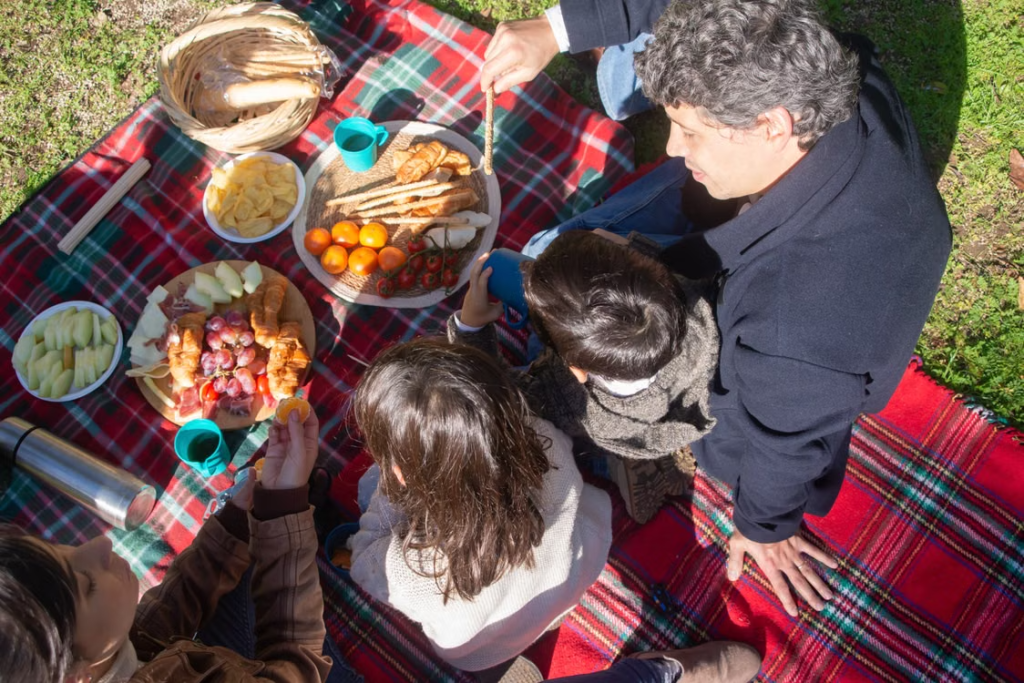
Keeping Children Happy Day to Day
Plan less and give everyone some choice. One main activity a day usually works better than a packed itinerary.
Pacing the itinerary
Choose one main activity each day and keep the rest optional. After a museum, castle or market, spend the afternoon at a pool, park or beach.
Build in a quiet day every three or four days to rest, repeat a favourite activity or simply slow down.
Making museums and historic sites work
Book timed entry where possible to avoid long queues. Many cities also run family-friendly walking tours, and a themed family tour — Roman Rome, or a treasure-hunt trail through Florence — can bring a site’s history alive for older children.
Look for:
- Children’s trails and activity sheets
- Family audio guides
- Free or reduced child admission
- Hands-on galleries, especially at a science museum
For primary-age children, an hour is often enough. Focus on a few highlights and leave before interest fades.
Involving children in planning
Let each child choose an activity or day. Giving them some control can reduce resistance.
Set a souvenir budget at the start so children can decide how to spend it themselves.
Holiday journals can keep younger children occupied, while older children can help navigate using maps or transport apps.
Managing tiredness and sleep
Time differences within Europe are usually small.
Late-summer sunsets can disrupt bedtime more than time zones do. Use shutters or blackout blinds and keep familiar routines where possible.
Protect naps for children who still need them rather than squeezing in another activity.
Finally, have at least two nearby indoor options for rainy days and check opening times, as many European museums close on Mondays.
Start Planning Your European Family Adventure
Taking children to Europe is less about distance than logistics. Passport technicalities, overpacked itineraries and awkward transfers can quickly cause problems. Get these right and the trip becomes much easier.
Start by checking the issue and expiry dates on every passport before booking flights. Renewals take weeks; flights take minutes.