
European Travel for Over-60s: Comfort, Pace and Practicalities
Sep 20, 2026
Category: European Travel Travel Tips UK
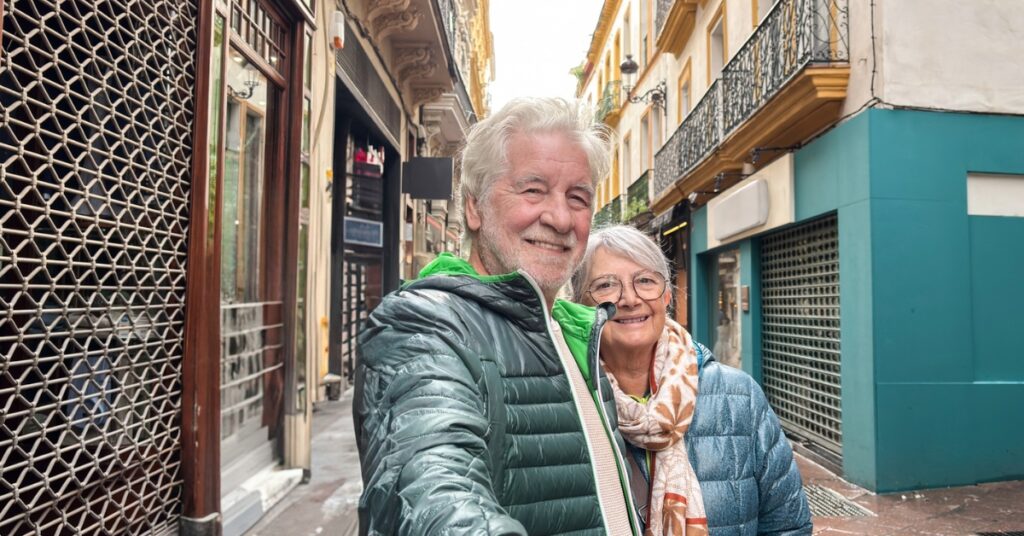
Europe is easy to explore after 60. Many major cities are within a three-hour flight from the UK, while extensive rail networks connect capitals, coasts and countryside without a car. For older travelers, that means a real choice between independent trips, guided tours and river cruises, depending on comfort and budget.
With climates ranging from Madeira’s mild winters to Scandinavia’s cool summers, Europe offers year-round travel. Retirement also makes it easier to avoid school holidays, when prices are higher and destinations busier.
Older travelers may need to consider insurance costs, mobility assistance, medication rules and permitted lengths of stay. Border procedures have also changed. This guide covers when to go, where to stay, how to get around, health, money and essential travel paperwork. It also explains how European tours for seniors work, why a small group can make travel easier, and how to choose a tour operator.
When is the Best Time for Over-60s to Travel to Europe?
Spring and autumn are often the best times for older travelers to visit Europe, with milder weather, fewer crowds and lower prices. Southern Europe can be uncomfortably hot in midsummer, while northern destinations are well suited to June through August.
Shoulder Seasons: Spring and Autumn
Late April to early June and September to October offer comfortable sightseeing weather across much of Europe. Cities such as Rome, Lisbon and Barcelona typically have daytime temperatures in the low 20s°C, making long days on foot easier. Hotels and attractions are also less crowded than in July and August.
The Mediterranean often remains warm into early October, making autumn a good time for a quieter beach break. The Adriatic coast of Croatia and the Aegean and Mediterranean coasts of Turkey are far less crowded than in peak season, and Istanbul is far more comfortable for sightseeing than in August.
If your schedule is flexible, avoid Easter and UK school break weeks in late May and October, when fares and package prices can rise. Midweek flights, particularly on Tuesdays and Wednesdays, may also be cheaper, and airports may be quieter.
Avoiding Summer Heat in Southern Europe
July and August can bring intense heat to Spain, Portugal, Italy and Greece. Inland cities such as Seville and Córdoba can exceed 40°C, while Athens has closed the Acropolis during extreme afternoon heat. Southern Turkey and the Dalmatian coast of Croatia are also very hot at midday.
Older travelers are generally more vulnerable to heat-related illness, particularly those with heart or respiratory conditions. If travelling in summer, cooler alternatives include:
- Scandinavia: Copenhagen, Stockholm and Oslo have mild summers and long daylight hours. Norway’s fjords can be enjoyed from a ferry or small cruise ship, with scenery that requires little strenuous walking.
- The Baltic states: Tallinn, Riga and Vilnius combine walkable old towns with moderate temperatures.
- Poland: Kraków, Gdańsk and Warsaw have warm but rarely extreme summers, and their historic centers are compact.
- Ireland: Summer temperatures are usually mild, although rain is common.
- The Alps: Austrian and Swiss mountain and lake towns offer cooler weather, with cable cars and boats reducing the need for steep climbs. Zurich is a convenient gateway, with fast trains and lake boats.
Winter Sun and Festive Breaks
For winter sun, consider the Canary Islands, Madeira, Malta or the Algarve between December and February.
| Destination | Typical January daytime high | Approx. flight time from London |
| Tenerife | 21°C | 4 hours 20 minutes |
| Madeira | 19°C | 3 hours 50 minutes |
| Malta | 16°C | 3 hours 10 minutes |
| Faro (Algarve) | 16°C | 2 hours 50 minutes |
Evenings can be cool, so pack layers. Malta and the Algarve are wetter in winter, while the Canary Islands generally offer more reliable sunshine.
Germany, Austria, Hungary and the Czech Republic are also popular for Christmas markets. Most run from late November to Christmas Eve, although Prague’s Old Town Square market continues into early January. Berlin has dozens of markets spread across the city, and Budapest’s markets are especially atmospheric.
Central Europe can be around freezing in December, with roughly eight hours of daylight. Wear footwear with good grip, especially on cobblestone streets, and plan outdoor sightseeing for the warmer middle of the day.
Best European Destinations for Travellers Over 60
The best European destinations for travellers over 60 combine walkable centres, reliable public transport and nearby services. Vienna, Copenhagen, Malta, Madeira and Tuscany suit everything from city breaks to seaside and countryside stays.
Accessible City Breaks
Vienna is easy to navigate, with lifts at every U-Bahn station and mostly low-floor trams. Copenhagen is largely flat, while its 24-hour Metro has lifts at every station. Seville also has a relatively flat historic centre, with pedestrian streets around the cathedral and Alcázar.
Berlin is largely flat too, with an extensive U-Bahn, S-Bahn and tram network. Its museums and memorials, including the Berlin Wall Memorial and the Topography of Terror, make it a leading choice for visitors interested in WWII and Cold War history. Zurich is compact and tidy, with trams, lake boats, and excellent rail links, though its old town has steep lanes and cobblestone streets.
Amsterdam is flat, but many canal-house hotels have steep stairs and no lift, so check access before booking.
Lisbon and Porto are hillier, with polished stone sidewalks and cobblestone streets that can become slippery in the rain. In Lisbon, these options make getting around easier:
- Funiculars: Glória, Bica and Lavra tackle some of the steepest streets.
- Santa Justa Lift: Links Baixa with Largo do Carmo.
- Tram 15E: Modern trams to Belém are easier to board than Route 28’s vintage cars.
In Porto, the Guindais Funicular connects Ribeira with Batalha. Taxis, Uber and Bolt are useful for other steep routes.
Central and Eastern Europe: History, Culture and Value
Central and Eastern Europe offers grand architecture and rich history, often at lower prices than Western Europe.
- Czech Republic: Prague’s historic center is compact and full of trams, but the climb to the castle and the many cobblestone streets can be tiring. Allow time for rests.
- Hungary: Budapest has thermal baths, historic trams and a flat Pest side, while hilly Buda is easier with the Castle Hill funicular.
- Slovakia: Bratislava has a small, car-free old town on the Danube, and it is easy to combine with Vienna by train or boat.
- Poland: Kraków’s Old Town is flat and walkable. Warsaw’s Old Town was rebuilt after destruction in WWII, and sites linked to the war can involve long walks and emotionally heavy content, so pace yourself.
- Croatia: Dubrovnik and Split have beautiful old towns, but expect many steps and slippery polished stone. Ferries link the islands.
- Turkey: Istanbul’s main sights in Sultanahmet are close together, and the T1 tram helps. Streets elsewhere can be steep and uneven.
Coastal and Island Escapes
Malta, Cyprus, Madeira and the Costa del Sol suit relaxed seaside breaks, with modern hospitals in major towns and English widely spoken. Malta and Cyprus also use UK-style three-pin plugs and drive on the left.
| Destination | Flattest area to stay | Hilly spots to note |
| Malta | Sliema seafront | Valletta; use the Upper Barrakka Lift from the harbour |
| Cyprus | Larnaca’s Finikoudes promenade | Paphos old town |
| Madeira | Funchal’s seafront promenade | Much of central Funchal |
| Costa del Sol | Fuengirola’s promenade | Benalmádena Pueblo and Mijas Pueblo |
Check both distance and gradient before booking. A hotel described as “10 minutes from the beach” may involve a steep uphill return.
Look for beaches with sunbeds, toilets and boardwalks, and consider staying near a pharmacy. In Spain and Portugal, pharmacies display a green cross and usually post details of the nearest overnight service.
Slow Travel and Countryside Stays
Tuscany works well for longer farmhouse or agriturismo stays. Lucca is flatter than towns such as San Gimignano and has a 4-kilometre tree-lined path along its city walls.
France’s Dordogne offers river valleys, castles and market towns. Sarlat holds its main markets on Wednesdays and Saturdays, while traditional gabarre boats run from Beynac and La Roque-Gageac.
Austria’s Salzkammergut lake district can be explored by steamer, while staying overnight in Hallstatt avoids the busiest day-trip hours.
Lake Bled in Slovenia has a mostly flat 6-kilometre lakeside path. Nearby, Ljubljana offers a car-free centre with free electric buggies.
Countryside stays can be quieter and cheaper than city centres, but a car is often useful because rural buses may be infrequent, particularly on Sundays.

Tours, Cruises or Independent Travel: Choosing the Right Style
The right travel style depends on how much walking and planning you want to do, and whether you prefer travelling with a group. River cruises and escorted tours handle most logistics, while independent travel offers more freedom and can cost less.
River Cruises
River cruises appeal to many over-60s because you unpack once, wake up in a new place most mornings and can join guided excursions, often included in the fare.
Most European river ships carry fewer than 200 passengers and have relatively short sailing days.
| River | Typical route | What to know |
| Rhine | Amsterdam to Basel | Low water in late summer can disrupt itineraries |
| Danube | Passau to Budapest, via Vienna | Popular for December Christmas market cruises |
| Douro | Return trip from Porto | The Salamanca excursion involves a long coach journey |
Before booking, check:
- Gangway access: Changing river levels can make gangways steep, and ships may moor side by side.
- Lifts: Some ships have no lift, while others do not provide lift access to the sun deck.
- Cabin location: Lower-deck cabins are cheaper but have small windows. Stern cabins may be noisier.
- Walking levels: Excursions can involve cobbles and steps. Check whether slower-paced groups are available.
Escorted Coach and Rail Tours
Escorted tours usually include transfers, hotels and luggage handling, with a tour manager available throughout the trip. Group meals and excursions can also make solo travel more sociable.
Operators often grade tours by walking distance and pace. Check these carefully, as a “moderate” rating may still involve several hours on your feet.
Also look at daily travel times and hotel changes. Long coach journeys and frequent one-night stops can be tiring, so itineraries with two or three nights in each hotel are often more comfortable.
Rail tours, including routes such as Switzerland’s Glacier Express, reduce the need for coach travel. Check whether your luggage stays with you or is transferred separately.
Solo travellers may face a single supplement, although some operators offer solo departures or waive the charge on selected dates.
Independent Travel
Independent travel lets you choose your hotels, set your own pace, and extend your stay where you wish. Booking flights and accommodation directly can also be cheaper than an equivalent package.
The trade-off is handling disruptions yourself, from missed connections to cancelled trains.
A tailor-made holiday offers a middle ground. A specialist can arrange hotels and transfers for your itinerary and provide support if plans change.
You can also pre-book a private airport transfer to avoid taxi queues or unfamiliar public transport after your flight.
Getting Around Europe: Rail, Car Hire and Mobility Assistance
Rail is often the easiest way for those over 60 to travel around Europe, with senior discounts available on many routes. Car hire suits rural trips, while free airport and rail assistance can help with long walks, steps and luggage.
Senior Rail Discounts and Passes
UK residents aged 60 and over qualify for a Senior Interrail Pass, which costs 10% less than the standard adult pass and covers travel in more than 30 European countries.
Many high-speed and overnight trains require paid reservations. Book early in France, Italy and Spain, where popular services can sell out.
For single-country trips, national discount cards may be cheaper:
| Country | Card | Who it’s for |
| France | Carte Avantage Senior (SNCF) | Travellers aged 60+, with around 30% off many long-distance fares |
| Spain | Tarjeta Dorada (Renfe) | Travellers aged 60+, with discounts on many Renfe services |
Both charge an annual fee, so compare the cost with your planned journeys.
Choose direct trains where possible to avoid carrying luggage between platforms. A medium case that you can lift yourself is also easier to manage on busy services.
Hiring a Car as an Older Driver
European car hire companies set their own age rules. Some impose upper limits, often between 70 and 80, while others charge a senior driver fee.
Check the terms for your rental location and declare your age when booking.
A UK photocard licence is valid for driving on holiday in EU countries. Drivers with older paper licences may need an International Driving Permit.
If taking your own car, display a UK sticker unless your number plate already carries the UK identifier. Spain, Cyprus and Malta require the sticker regardless.
Check local driving rules before departure:
- Low-emission zones: Many French cities require a Crit’Air sticker, while German environmental zones use an Umweltplakette.
- Mandatory equipment: France requires a reflective jacket within the driver’s reach and a warning triangle.
Airport and Rail Assistance for Reduced Mobility
EU rules provide free airport assistance for passengers with reduced mobility, including age-related difficulties. You do not need to use a wheelchair to qualify.
Request assistance through your airline at least 48 hours before departure. Staff can help you from check-in or a designated meeting point to your seat, and assist again upon arrival.
Free assistance is also available at staffed rail stations under EU passenger rights. Request it at least 24 hours before travel through the relevant operator:
- France: SNCF Accès Plus
- Spain: Renfe Atendo
- Italy: Trenitalia Sale Blu
- Germany: DB Mobility Service Centre
Staff can assist with boarding, luggage and connections. Include all transfers when booking assistance and allow extra time between trains.

Passports, Entry Rules and What to Expect at the Border
UK travellers to most of Europe need a passport that meets Schengen rules and should expect digital border registration. The European Travel Information and Authorisation System (ETIAS) will add a pre-travel authorisation once it launches.
Passport Validity Rules for UK Travellers
For Schengen travel, your passport must have been issued within the past 10 years and remain valid for at least three months after you leave.
UK passports issued before September 2018 may include extra months carried over from an old passport, but these do not count towards the 10-year limit.
| Your passport shows | What it means for your trip |
| Issued 1 June 2017 | You must enter the Schengen Area by 31 May 2027 |
| Expires 1 June 2027 | You must leave by 1 March 2027 |
Check both dates before booking. HM Passport Office’s standard renewal time is up to three weeks, though it can take longer during busy periods.
Border Checks Under the Entry/Exit System
The Entry/Exit System (EES) records short-stay non-EU travellers entering and leaving 29 European countries, replacing passport stamps with digital records.
On your first crossing, your passport is scanned, and your facial image and/or fingerprints are taken at a kiosk or by a border officer. Refusing to provide this data means you can be refused entry.
Later crossings should be quicker because your identity is checked against your existing record. EES records are generally kept for three years.
Allow extra time, especially on your first trip. At Dover, Eurotunnel in Folkestone, and Eurostar at London St Pancras, French border checks take place before departure, so queues form in the UK.
Cyprus and Ireland do not use EES. Travellers with qualifying residence permits or long-stay visas are also exempt.
Preparing for ETIAS
The ETIAS will apply to visa-exempt travellers, including British citizens, visiting 30 European countries. It is not yet in operation.
Once launched, applications will be made through the official ETIAS website or app. Key points include:
- Fee: €20, with no fee for travellers over 70.
- Validity: Up to three years or until your passport expires.
- Processing: Usually within minutes, but some applications may take up to four days or longer if extra checks are required.
- New passport: A new passport requires a new ETIAS authorisation.
ETIAS is linked to the passport used in your application, so the details must match when you travel.
Approval does not guarantee entry. Border officers may still ask for proof of accommodation, onward or return travel and sufficient funds.
Some countries set minimum financial requirements, so carry a bank card and a recent statement if needed.
Do not bring meat or dairy products from the UK into the EU, including sandwiches, as border staff can confiscate them.
Managing Health and Medication Abroad
Managing your health abroad means packing medication correctly, checking controlled-drug rules and taking precautions against blood clots and heat. It also helps to know how to find medical care before you travel.
Travelling With Prescription Medication
Keep medicines in your hand luggage, in their original packaging with the pharmacy label showing your name. Pack enough for the trip plus a few extra days in case of delays.
Carry a copy of your prescription or a GP letter listing your medicines and conditions. Note each medicine’s generic name, as brand names vary between countries.
The NHS App can also provide access to repeat prescriptions and parts of your GP record.
Liquid medicines over 100ml are allowed through airport security, although supporting documents may be required. Tell your airline in advance if you carry insulin pens, needles or syringes.
Controlled medicines, including morphine, oxycodone, temazepam and some ADHD medicines, may need extra documentation.
- UK rules: You need a Home Office personal licence for three months’ supply or more of a controlled drug. Apply at least 10 working days before travelling.
- Destination rules: Countries may restrict medicines that are legal in the UK or limit how much you can bring. Check with each country’s embassy.
Staying Well on the Journey
Sitting for more than four hours can increase the risk of deep vein thrombosis (DVT), particularly as you get older. This applies to flights, trains and long car journeys.
Walk when possible, flex your ankles and calves while seated, drink plenty of water and limit alcohol.
Compression stockings may reduce the risk. Ask a pharmacist about sizing, and speak to your GP first if you have had a clot, recent surgery or circulation problems.
Some medicines, including certain diuretics and blood pressure tablets, can affect how your body handles heat. Ask your pharmacist before travelling somewhere hot.
Stay out of strong sun between 11am and 3pm, use at least SPF 30 sunscreen with 4-star UVA protection and drink water regularly.
| Condition | Signs | What to do |
| Heat exhaustion | Headache, dizziness, nausea, heavy sweating, cramps | Move somewhere cool, lie down, raise your feet and drink water |
| Heatstroke | No improvement after 30 minutes, confusion, hot dry skin, fainting | Call 112 immediately |
Finding Medical Help at Your Destination
Call 112 for an ambulance anywhere in the EU. Calls are free from mobile phones, including UK phones.
Useful local terms include:
| Country | Emergency department | Out-of-hours pharmacy |
| Spain | Urgencias | Farmacia de guardia |
| France | Urgences | Pharmacie de garde |
| Italy | Pronto soccorso | Farmacia di turno |
| Germany | Notaufnahme | Notdienst-Apotheke |
Pharmacists can advise on minor problems such as stomach upsets, insect bites and mild infections. Show them your regular medication list to help avoid interactions.
For more serious problems, contact your insurer’s 24-hour medical assistance line. GOV.UK also publishes lists of English-speaking doctors and medical facilities for many countries, which you can save before travelling.

Budgeting, Money and Senior Discounts
You can cut European travel costs by using a fee-free card, paying in local currency and booking longer stays. Senior discounts can also help, but eligibility varies and may exclude UK visitors.
Concessions at Attractions and on Transport
Many museums, heritage sites and transport networks offer discounts for older visitors, often from age 65.
Rules vary. Italy’s state museums no longer offer free entry to those over 65, while the Louvre has no senior rate. In Spain, the Prado and Sagrada Família offer reduced tickets for visitors aged 65 and over.
Some concessions are limited to EU or EEA citizens or residents. Local transport discounts may also require residency.
Carry your passport as proof of age, as UK bus passes and Senior Railcards are not valid abroad. Check eligibility before buying.
| Country | Look for |
| Spain | Tarifa reducida, mayores de 65, jubilados |
| France | Tarif réduit, senior |
| Italy | Ridotto |
| Germany | Ermäßigt, Senioren |
| Portugal | Bilhete reduzido, sénior |
Paying Abroad Without Extra Fees
Many UK cards charge around 3% for foreign transactions, with some adding cash withdrawal fees.
| Option | Costs | Protection | Best for |
| Fee-free debit card | No foreign transaction fees; cash limits may apply | Chargeback through your bank | Everyday spending and cash |
| Fee-free credit card | No foreign transaction fees; cash interest may apply immediately | Section 75 cover from £100 to £30,000 | Hotels, car hire and larger purchases |
| Prepaid currency card | Possible top-up or inactivity fees | Separate from your bank account; no Section 75 | Fixed budgets |
| Cash | Exchange-rate margin | None if lost or stolen | Markets, small cafés and tips |
Cards are widely used in Scandinavia, while cash remains more common in some rural areas of southern Europe.
If a card machine or cash machine offers pounds, choose the local currency to avoid poor conversion rates. Use bank-operated cash machines where possible and avoid airport exchange bureaux.
Cutting Costs Through Timing
Longer stays often reduce nightly rates. Airbnb hosts may offer weekly discounts for stays of 7 nights or more and monthly discounts for stays of 28 nights or more.
Some resorts in Spain and Portugal also offer discounted winter stays between November and March. Consider a short trial stay before committing to several weeks.
Flexible travellers may find reduced package prices close to departure. Operators such as Saga also bundle flights, transfers and hotels, making costs easier to plan.
For flight-inclusive packages, check for ATOL protection and keep your certificate in case the operator fails.
Staying Longer: Wintering in Europe
UK visitors can spend up to 90 days in any 180-day period in the Schengen Area. To stay longer in one country, you generally need a national long-stay visa before travelling.
Planning Around the 90/180-Day Rule
The 90-day limit applies across the Schengen Area, not per country. One month in Portugal followed by two months in Spain uses your full allowance.
The 180-day period rolls forward daily. Count back 180 days from each day of your stay and include every day spent in Schengen, including arrival and departure dates.
A short trip back to the UK does not reset the count. If you stay from 1 November 2026 to 29 January 2027, you will use all 90 days and will not be able to re-enter the Schengen area until 30 April 2027.
The EES records entries and exits digitally, making overstays easier to detect. Penalties can include fines or future entry bans.
Check your remaining allowance before booking. Cyprus is outside the Schengen Area, so time spent there does not count towards the 90 days.
Booking Long-Stay Accommodation
Monthly apartment rentals offer more space and a kitchen, while long-stay hotels provide cleaning and reception services and offer more opportunities to meet other guests.
House-sitting can provide free accommodation in return for caring for a home and pets, but you must fit the owner’s dates.
Many properties in Spain, Portugal and Malta lack central heating. Ask how the property is heated and whether electricity is included, as winter heating costs can add up.
Before paying a deposit, check:
- Lift access: Older buildings may have stairs only.
- Shops: Look for a supermarket and a pharmacy within easy walking distance.
- Healthcare: Check the distance to the nearest health centre and hospital.
- Contract: Get written terms covering dates, deposits and extra bills.
When You Need a Long-Stay Visa
To remain in one Schengen country for more than 90 days, you generally need a national long-stay visa or residence permit. Apply through the relevant consulate or visa centre and allow several weeks.
France offers long-stay visitor visas lasting between three months and one year for people who will not work there.
Spain’s non-lucrative visa is aimed at residents rather than winter visitors. Applicants must meet income requirements, while renewals may depend on having spent enough time in Spain.
Portugal’s D7 visa is also a residence route for people with pensions or other passive income.
Long-stay visa applications commonly require private health insurance, proof of accommodation and a criminal record certificate.
Spending more than 183 days a year in countries such as Spain, France or Portugal may affect your tax residence, so seek advice before committing to a longer stay.

Staying Safe and Connected
Most European trips are trouble-free, but simple precautions can reduce the risk of pickpocketing and scams. Before travelling, also check your mobile roaming costs and share your plans with someone at home.
Avoiding Scams and Pickpockets
Pickpockets often target crowded tourist areas and public transport, including Barcelona’s Las Ramblas, Rome’s Termini station, the Paris Métro and Lisbon’s Tram 28.
Common scams include:
| Scam | How it works | What to do |
| Petition | Someone distracts you with a clipboard while an accomplice targets your bag | Keep walking |
| Friendship bracelet | A stranger ties on a bracelet and demands payment | Keep your hands away and walk on |
| Rosemary sprig | Someone gives you rosemary, then demands money for a “fortune” | Refuse it |
| Spill distraction | Someone spills something on you, then offers to help while taking valuables | Step away and check your belongings |
| Cash machine helper | A stranger offers help and watches your PIN | Cancel the transaction and use another machine |
Genuine police officers will not ask to inspect your cash or wallet in the street. If someone does, ask to go to the nearest police station.
Use a zipped cross-body bag and keep it in front of you on public transport. Avoid leaving phones in back pockets or on café tables.
Split cards and cash between different places and keep a spare card in your hotel safe. Save copies of your passport, insurance details and card helplines somewhere you can access without your phone.
Mobile Phones and Roaming
Most UK networks now charge for EU roaming, although fees vary by provider and contract. Check your plan before travelling, as even answering a call or sending a text can trigger a daily charge.
Cheaper options include:
- Roaming passes: Weekly or monthly bundles can cost less than daily fees.
- Travel eSIMs: Buy and install a data plan before travelling while keeping your UK number.
- Local SIM cards: Often better for longer stays, although registration may require your passport.
Useful apps include:
- Google Maps: Download offline maps before departure.
- Google Translate: Translate menus and signs using your camera.
- Rail apps: Trainline and national operator apps provide journey updates.
WhatsApp and FaceTime over Wi-Fi can also reduce calling costs.
Keeping Family Informed
Share your itinerary, accommodation details and insurance policy number with someone you trust, and agree on regular check-ins.
You can also enable temporary location sharing through Google Maps or Apple’s Find My.
Add emergency contacts, medical conditions and medicines to your phone’s Medical ID or Emergency information so they can be viewed from the lock screen.
Sign up for FCDO travel alerts and save the details of the nearest British embassy or consulate. The FCDO’s 24-hour helpline for British nationals abroad is +44 (0)20 7008 5000.
Start Planning Your European Trip With Confidence
Choose a season and travel style that suits your destination and pace. Arrange travel insurance and medication well before departure.
Check your passport dates before booking, allow extra time for your first Entry/Exit System registration and watch for official ETIAS launch updates.