
Frontex-backed returns climb to 33,000 in early 2026
Sep 17, 2026
Category: Border and Security EU Migration News
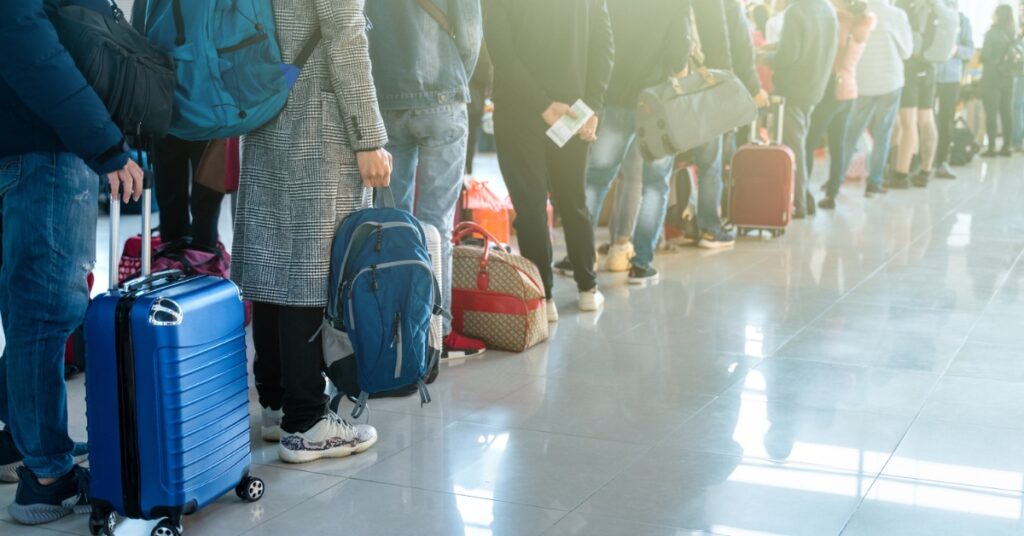
Frontex helped EU governments return more than 33,000 people to non-EU countries in the first half of 2026, up from around 30,000 a year earlier. About two-thirds left voluntarily.
The rise comes as the EU strengthens enforcement alongside its new digital border systems. Since 2022, roughly 215,000 people have been returned with Frontex support, and the trend continues to rise.
Rising line since 2022
Frontex-backed returns rose from 24,000 in 2022 to 39,000 in 2023, 56,000 in 2024 and 63,000 in 2025.
The 33,000 recorded in the first half of 2026 were about 3,000 higher than during the same period last year.
Frontex, the European Border and Coast Guard Agency, was established in 2004 and is based in Warsaw. It monitors migratory flows, supports border management and helps member states carry out returns.
The leading nationalities returned between January and June were Turkish, Syrian, Georgian, Colombian, Indian, Brazilian, Albanian, Moroccan, Nigerian and Iraqi.
Germany, France, Cyprus, Belgium and Sweden carried out the most Frontex-supported returns.
Brussels tightens rulebook
In June 2026, the European Parliament and Council agreed on a Regulation establishing a Common European System for Returns, creating shared EU rules for the first time.
The framework makes forced return the default when a person refuses to cooperate, absconds to another member state or poses a security risk.
Further changes are expected in the autumn, when the European Commission is due to propose strengthening Frontex’s return mandate and its support for member states.
Magnus Brunner, European Commissioner for Internal Affairs and Migration, described the current figures as insufficient.
“This year alone, Frontex has supported Member States to carry out more than 33 000 returns, a good example of effective European cooperation,” Brunner noted. “But this figure has to increase fundamentally.”
Frontex Executive Director Hans Leijtens linked returns to confidence in the migration system.
“Return is what makes the whole migration system credible,” he remarked. “If someone has no right to stay, they should be returned. Otherwise the system fails the people who genuinely do need protection.”
Leijtens also stressed that returns should be lawful, safe and dignified, with greater emphasis on helping people prepare before departure.
Leaving voluntarily, at lower cost
Around 21,000 people returned voluntarily in the first half of 2026, up from roughly 19,000 a year earlier.
Voluntary returns have also increased as a share of the total, rising from 9,000 of 24,000 returns in 2022 to 41,000 of 63,000 in 2025.
Every Frontex-supported return follows an enforceable return decision, meaning the person no longer has a legal right to stay in the EU.
In voluntary cases, people comply with the decision and may receive practical and financial support. Forced returns apply when they do not comply. National authorities decide which route applies, while Frontex supports both.
Voluntary returns are generally cheaper because forced operations may require escorts, medical and monitoring staff, and charter flights.
Crew behind every flight
Frontex deployed 109 Return Specialists across 15 member states in the first half of 2026, up from 95 a year earlier.
They advise returnees, help authorities manage cases and assist with obtaining travel documents.
Another 118 Frontex Return Escort and Support Officers, or FRESOs, worked across 11 member states, up from 102.
They accompany returnees, assist at airports and manage administrative tasks, including support for some voluntary returnees.
Around 14,000 people also registered for the EU Reintegration Programme (EURP), nearly double the 8,000 recorded a year earlier.
Support can include vocational training, business start-up grants and counselling after return.
More than four in five participants returned voluntarily, although not all were returned by Frontex, as member states can enrol other eligible returnees.
Fuel, flights, footprint
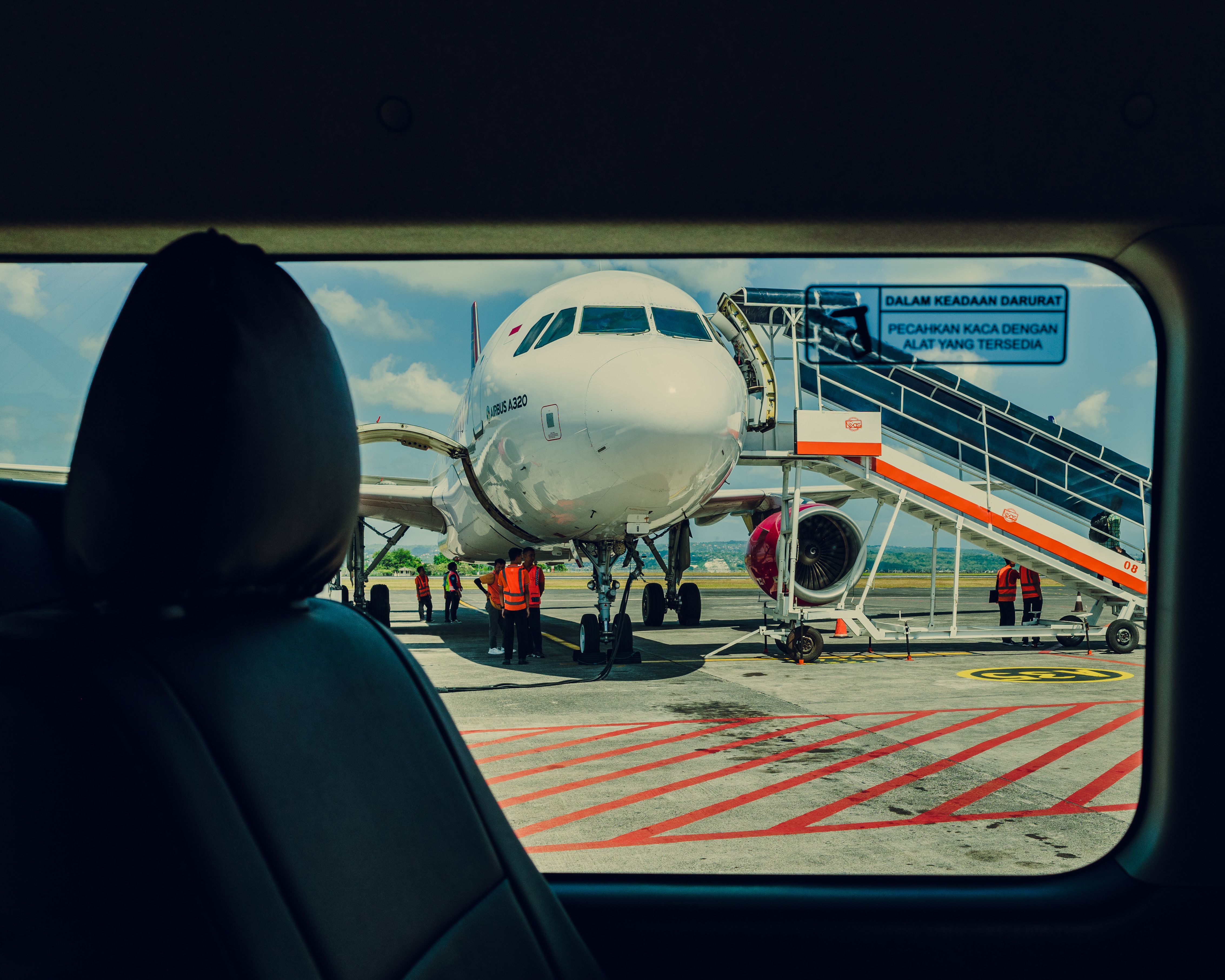
Most returns involve air travel, and Frontex favours scheduled flights over charters where possible.
Under a 2023 agreement with a major European airline, part of the revenue from Frontex-funded flights supports Sustainable Aviation Fuel and related measures that meet International Civil Aviation Organisation standards.
In the first half of 2026, the scheme funded more than 90 tonnes of SAF, cutting an estimated 313 tonnes of CO2 over the fuel’s lifecycle.
Reading the trend line
The rise to 33,000 returns in the first half of 2026 continues a trend that began with 24,000 in 2022.
What has changed is the framework around it. The EU now has common rules that strengthen forced returns for non-compliance, while Frontex’s mandate could expand again in the autumn.
At the same time, voluntary returns and reintegration support are growing, shifting more of the system towards EU-level coordination.
The next major development will be the Commission’s autumn proposal on Frontex’s mandate, which will indicate how far returns capacity will be centralised and how it will be linked to the EU’s wider digital border systems.