
Driving to Europe from the UK: The Complete Guide to Documents, Rules and Routes
Aug 28, 2026
Category: Travel Tips
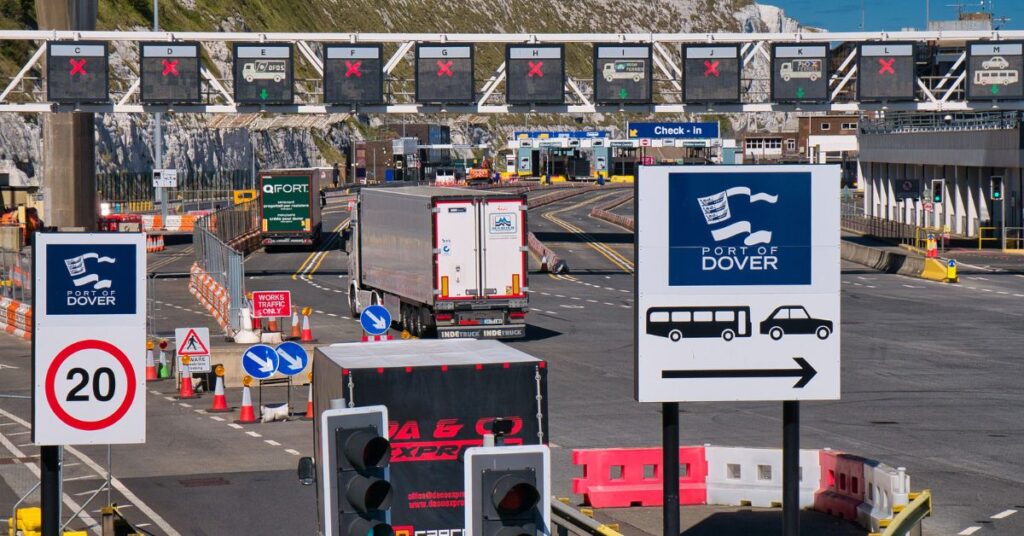
A European road trip offers freedom that flights and trains can’t: choose your route, reach places timetables miss and pack without baggage limits.
But planning matters. Post-Brexit rules and newer border procedures mean drivers from the United Kingdom must arrange documents, equipment and insurance before reaching the Channel. Whether you’re driving in France for a long weekend or driving in the EU on a multi-country tour, the paperwork and kit requirements are broadly similar.
This guide covers getting your car across, required paperwork and kit, insurance, driving rules, border procedures, toll roads, costs and where to go once you arrive, from the Dolomites to the Balkans.
It’s for UK licence holders taking their own, hired or leased vehicle abroad, from family holidaymakers to first-time drivers.
How to Get Your Car Across the Channel
You can take your car from the United Kingdom to mainland Europe by ferry or via the Channel Tunnel with Eurotunnel Le Shuttle. Both get you to France within a few hours, so the best option depends on your budget, destination, and travel preferences.
Taking the Ferry
Dover–Calais and Dover–Dunkirk are the main short ferry routes, taking around 90 minutes to two hours. P&O Ferries, DFDS and Irish Ferries operate regular sailings.
Longer routes leave Portsmouth, Poole, Newhaven and Plymouth for ports including Caen, Cherbourg, Le Havre, St Malo and Santander. Crossings range from a few hours to more than a day but can reduce onward driving.
Passengers can leave their cars and use onboard cafés, shops and seating, with cabins available on some longer routes. Booking early is usually cheaper, especially outside school holidays and summer weekends.
Using Le Shuttle
Eurotunnel Le Shuttle runs from Folkestone to Calais in about 35 minutes. You drive onto the train, stay in your vehicle, and drive off in France, ready to start driving straight away.
Services run up to four times an hour at peak periods, making it the fastest option for most drivers.
Ferry or Le Shuttle: Which to Choose?
Le Shuttle is faster, while longer ferry routes can reduce driving if you’re heading farther into France or Spain.
| Feature | Ferry | Le Shuttle |
| Crossing time | 90 mins-two hours | About 35 mins |
| Frequency | Regular daily sailings | Up to four per hour at peak |
| During crossing | Leave your car and use facilities | Stay in your vehicle |
| Longer routes | Yes, including western France and Spain | No |
| Best for | Breaks, cabins and distant ports | Speed and convenience |
Families and travellers who want space to move around may prefer the ferry, while solo drivers and couples often favour Eurotunnel for speed.
Whichever you choose, book early, avoid peak dates where possible and check the latest check-in requirements before travelling.
Documents You Need to Drive in Europe
To drive in the EU, you’ll generally need a valid UK driving licence, passport, vehicle documents, proof of insurance, and travel insurance. Check everything thoroughly before departure, as a passport may be valid yet still not meet EU entry requirements.
Driving Licence and Passport
A full UK photocard licence is valid across the EU and EEA. Carry the physical card rather than a photo or digital copy.
For the Schengen Area, your passport must:
- Have been issued less than 10 years before your arrival date
- Be valid for at least three months after your planned departure
Passports issued before September 2018 may include extra months carried over from a previous passport, which do not count towards the 10-year limit. Check the “date of issue” carefully.
Vehicle Registration and Ownership Documents
You must be able to prove you have permission to take the vehicle abroad.
For your own car, carry the original V5C logbook. For a hired or leased vehicle, take a VE103 vehicle-on-hire certificate instead.
Insurance and Green Cards
UK car insurance provides the legal minimum cover in the EU, so a green card is generally not required there. Some countries outside the EU, including Albania, Moldova, Turkey and Ukraine, may still require one.
Your level of cover can change abroad. A comprehensive UK policy may provide only third-party cover in Europe, so check with your insurer:
- Whether European cover is comprehensive or third-party only
- How many days of European driving are included
- Whether you need to notify them before travelling
Carry your motor insurance certificate as proof of cover.
International Driving Permits
You generally do not need an International Driving Permit (IDP) for the EU, Switzerland, Norway, Iceland or Liechtenstein if you hold a UK photocard licence.
You may need one if you have an older paper licence or a licence issued in Guernsey, Jersey, the Isle of Man or Gibraltar.
If required, obtain your IDP from an official provider and avoid unofficial websites selling fake permits.
Preparing Your Car and What to Pack
European countries have different safety kit requirements, so pack for the strictest rules along your route and check your car before departure.
Compulsory Equipment Checklist
Carry these basics:
- A warning triangle
- A reflective hi-vis jacket for each passenger, kept inside the cabin
- Spare bulbs where applicable
Keep hi-vis jackets within easy reach so you can put one on before leaving the vehicle.
UK Sticker and Number Plate Rules
GB stickers are no longer valid. If your number plate displays “UK” with the Union flag, you usually do not need an extra sticker.
Otherwise, display a UK sticker on the rear. Spain, Cyprus and Malta may require one regardless of your number plate.
Headlamp Beam Deflectors
When driving on the right, adjust your headlights to avoid dazzling oncoming traffic. Older cars may need stick-on beam deflectors, while newer models often have a built-in setting or lever. Check your handbook first.
Country-Specific Kit Requirements
Some countries require additional equipment, such as a first aid kit. France no longer requires drivers to carry a breathalyser, although carrying one can still be useful.
| Item | Typical requirement |
| Warning triangle | Most of Europe |
| Hi-vis jacket | Most of Europe |
| First aid kit | Some countries, including Germany and Austria |
| Headlamp deflectors | Where needed for right-hand driving |
| Breathalyser | Generally not compulsory on common routes |
Check the rules for every country you will drive through, not just your destination.
Understanding the Rules of the Road
Driving in Europe means using the right-hand side and following local laws, including different speed and drink-drive limits. Learn the key rules before you travel, as breaches can lead to on-the-spot fines.
Driving on the Right
Across mainland Europe, drive on the right and take extra care at junctions and roundabouts. Roundabouts generally run anticlockwise, with traffic entering from the right-hand side.
Some countries also use “priority to the right”, meaning vehicles joining from your right may have priority. Always follow local signs.
Speed Limits and Motorway Rules
Speed limits are shown in kilometres per hour and vary by country, road type and sometimes weather conditions.
On motorways, keep right except when overtaking. Newly qualified drivers may face lower limits in some countries.
Speed cameras and roadside checks are common, and radar detectors are illegal in many places.
Drink-Driving and Other Key Laws
Drink-drive limits are generally lower than in England, Wales and Northern Ireland, and some countries apply near-zero or zero-tolerance rules.
| Country | Blood alcohol limit |
| England, Wales, N. Ireland | 0.08% |
| France, Spain, Italy, Germany | 0.05% |
| Poland, Sweden, Norway | 0.02% |
| Czechia, Hungary, Romania | Zero tolerance |
Novice and professional drivers may face stricter limits, so check the rules for every country along your route.
Other common rules include:
- Seatbelts are compulsory for all occupants
- Handheld phone use is prohibited
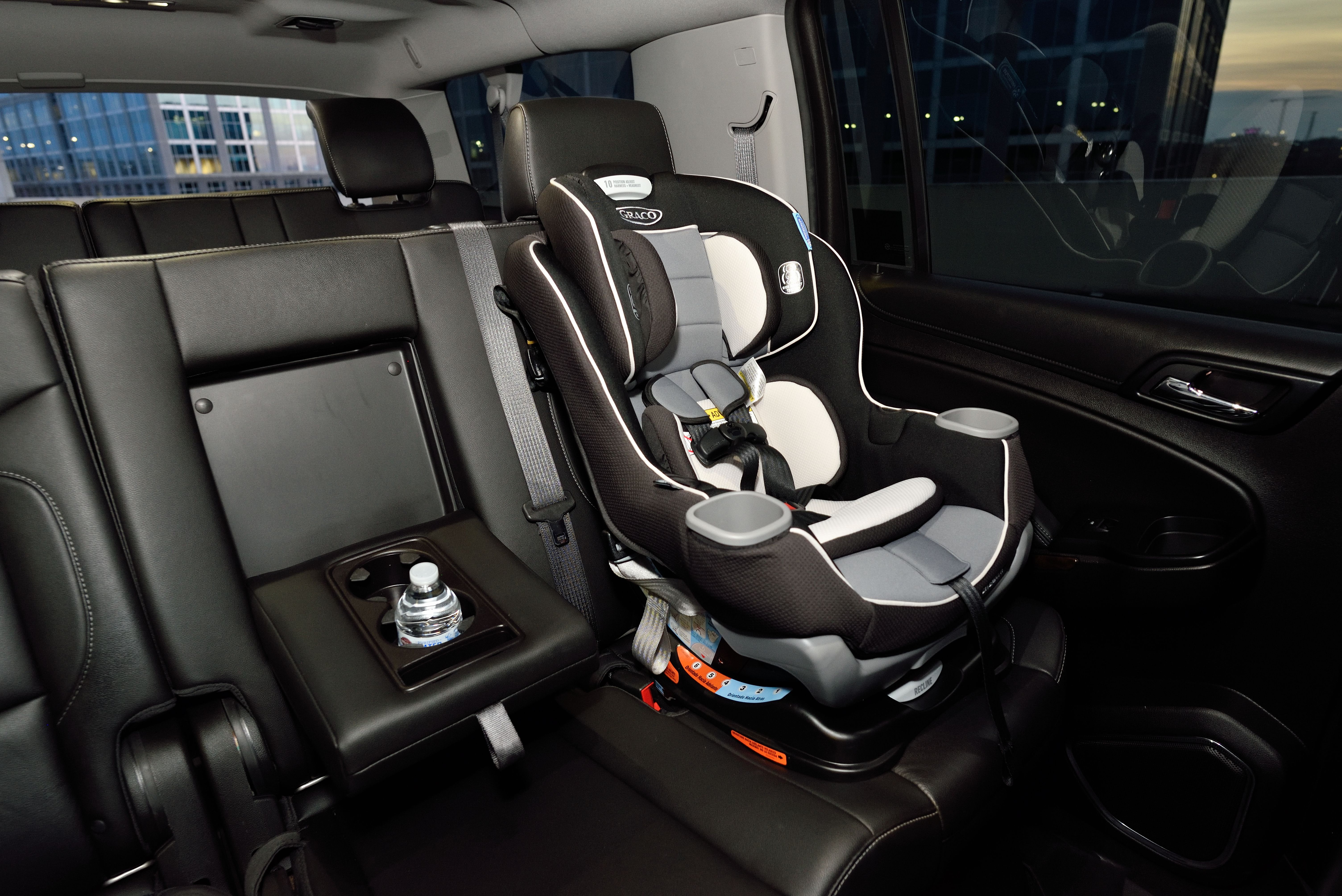
- Children may need an approved car seat or booster depending on age or height
Drink-drive limits and child-seat rules vary and should be checked before travel.
What Happens at the Border
At Dover, Folkestone and some ports, you clear border checks before leaving the UK. Under the EU’s Entry/Exit System (EES), UK travellers may also need biometric registration, including fingerprints and a facial scan.
Exit and Arrival Checks
Many Channel crossings use juxtaposed controls, meaning UK and French border checks take place before departure. You usually remain in your car and present passports at the booth.
Officers may ask about your destination and length of stay. Keep passports accessible and allow extra time during school holidays and busy summer weekends.
Biometric Registration at the Border
The EU’s EES records non-EU nationals entering and leaving for short stays and has replaced passport stamping across much of Europe.
On your first EES crossing, your fingerprints, facial image and passport details may be recorded. This applies to UK passport holders and other eligible non-EU travellers.
Later crossings should be quicker because your details are already registered, while the system also tracks time spent within the 90-day Schengen limit.
The European Travel Information and Authorisation System (ETIAS) will introduce a separate online travel authorisation before departure once launched.
Travelling with Different Nationalities
Border procedures vary by nationality.
| Passenger type | What to expect |
| UK passport holder | Subject to EES registration |
| EU passport holder | Not subject to EES |
| Irish passport holder | Not subject to EES |
| Some non-EU residence card holders | May be exempt |
Some non-EU family members of EU citizens may be exempt if they hold the appropriate residence documents.
Everyone should keep their own passport and supporting documents ready, as passengers in the same car may face different checks.
Tolls, Vignettes and Low Emission Zones
European road charges generally fall into three categories: motorway tolls, prepaid vignettes and low-emission zone permits. Tolls are paid as you travel, while vignettes and clean-air stickers may need to be arranged in advance.
Motorway Tolls
France, Italy, Spain and Portugal use distance-based tolls on many motorways. You usually collect a ticket on entry and pay by card or cash when leaving, although some routes use free-flow cameras.
Costs vary by route and can exceed €60 on long journeys. Electronic toll tags can speed up travel by allowing automatic payment in dedicated lanes.
Vignettes
Several European countries require a vignette for motorway use, including Switzerland, Austria, Slovenia, Czechia, Slovakia, Hungary, Romania and Bulgaria.
Most vignettes are digital and linked to your number plate. Buy them from official websites, as resellers may charge extra fees.
Switzerland generally offers only an annual vignette, while other countries offer shorter options.
| Country | Short option | Approximate cost |
| Austria | 10-day | Around €12 |
| Switzerland | Annual only | Around CHF 40 |
| Slovenia | 7-day | Around €16 |
| Czechia | 10-day | Around €11 |
| Slovakia | 10-day | Around €11 |
Low Emission Zones and Clean Air Stickers
France uses the Crit’Air system in low-emission zones, including cities such as Paris, Lyon and Marseille. UK-registered vehicles are also subject to these rules.
Order the sticker from the official French government website before travelling, as delivery can take time. Its category depends on your vehicle’s emissions, and restrictions vary by city.
Other European countries operate their own low-emission schemes, so check the rules for every city on your route.

Insurance, Breakdown Cover and Emergencies
For a European road trip, make sure you have suitable car insurance, European breakdown cover and protection for medical emergencies before you leave.
Checking Your Car Insurance
UK car insurance provides the legal minimum cover abroad, but comprehensive policies may drop to third-party only in Europe.
Before travelling, check:
- Your level of European cover
- How long the cover lasts
- Whether you need to notify your insurer of your travel dates
If necessary, upgrade to comprehensive European cover for your trip.
European Breakdown Cover
Standard UK breakdown policies may not include Europe, so check your cover before departure.
A good European breakdown policy should include:
- Roadside assistance and towing
- Onward travel or accommodation
- Vehicle and passenger recovery to the UK
- A 24-hour English-language helpline
Make sure the policy covers the full length of your trip.
What to Do in an Emergency
Dial 112 anywhere in the EU for police, ambulance or fire services.
After an accident, complete a European accident statement and keep a copy in your car for insurance purposes.
A UK Global Health Insurance Card (GHIC) gives access to state healthcare in participating European countries, but it does not replace travel insurance.
| Covered by GHIC | Not Covered by GHIC |
| State-provided treatment | Private medical care |
| Emergency care and sudden illness | Medical repatriation |
| Some pre-existing condition care | Lost or stolen belongings |
Pair your GHIC with travel insurance that covers medical costs and repatriation. Check healthcare arrangements for every country on your route.
How Much Does It Cost to Drive to Europe?
Driving to Europe involves crossing fees, fuel, tolls, vignettes, clean-air charges, insurance and breakdown cover. A short trip to northern France may start at around £100 return for the crossing, while longer journeys can add hundreds in fuel and tolls.
Crossing and Fuel Costs
Ferry and Le Shuttle prices vary by season, demand and how early you book. Summer fares can rise sharply, so booking early and travelling midweek usually saves money.
Fuel prices also vary between countries. Petrol may be labelled sans plomb or E10, while diesel is often gazole, so check the pump carefully.
Tolls and Vignette Costs
Distance-based tolls in countries such as France and Italy can add significantly to the cost of longer journeys. Vignette countries instead charge a fixed fee for motorway use, while clean-air stickers usually cost only a few euros.
Ways to Keep Costs Down
- Book crossings early and avoid peak dates
- Travel midweek where possible
- Use toll-free roads if you have extra time
- Buy vignettes and clean-air stickers from official websites
- Plan fuel stops around cheaper locations
Balance toll savings against longer journey times when choosing your route.
Best Routes and Road Trip Ideas from the UK
From Calais, you can reach northern France, the Low Countries and parts of Germany within a day, while the Mediterranean and Alps are better suited to longer trips.
Northern France and the Low Countries
Several destinations are within a few hours of Calais:
- Paris — around 3 hours
- Bruges — just over 1 hour
- Amsterdam — 3–4 hours
- Normandy beaches — around 3 hours
These routes suit long weekends, while Lille or Ghent make convenient overnight stops.
South to the Mediterranean
Journeys to southern France, Spain and Italy usually need at least two days’ driving.
| Route | Driving time from Calais | Suggested stop |
| Nice | Around 12 hours | Lyon |
| Barcelona | Around 14 hours | Bordeaux |
| Milan | Around 11 hours | Dijon or Geneva |
Book overnight accommodation early during summer, especially in popular stopover towns.
Germany, Switzerland and the Alps
Cologne is around four hours from Calais and makes a good first stop for Germany.
Switzerland requires a motorway vignette, while Alpine routes need extra seasonal planning. Mountain passes can close in winter and snow chains may be required, so check road conditions before travelling.
Practical Tips for a Smooth Trip
A smoother European road trip comes down to planning for passengers, pets, navigation, fuel and driver fatigue.
Travelling with Children and Pets
For children, plan breaks every couple of hours and keep snacks, drinks and entertainment within reach. French motorway aires are useful for toilets, picnics and rest stops.
Pets need the correct paperwork before traveling. Requirements typically include:
- A microchip fitted before rabies vaccination
- A valid rabies vaccination
- An Animal Health Certificate issued before entering the EU
- Tapeworm treatment for dogs before returning to the UK
Check current pet travel rules and book your vet appointment early.
Fuel, Navigation and Useful Apps
Learn local fuel names before filling up. In France, petrol may be labelled sans plomb or E10 and diesel gazole; in Italy, diesel is gasolio.
Download offline maps, use a secure phone mount and prepare useful apps before leaving, such as:
- Google Maps or Waze
- Fuel-price apps
- Parking apps
- Toll or vignette apps
Staying Safe and Rested
Avoid overly ambitious driving days. Take regular breaks, share the driving where possible and keep your first day abroad relatively short while adjusting to driving on the right.
In peak season, book overnight stops in advance so you’re not searching for accommodation when you’re tired.

Ready to Hit the Road? Plan Your European Drive with Confidence
Driving to Europe is straightforward with the right paperwork, equipment and planning. Prepare your checklist, book crossings and permits early, and check the latest border and document rules before departure.
Once the admin is sorted, you can focus on the journey ahead.
[…] into Naples International Airport, then travel on to the coast by road, rail or sea. Salerno and Rome work as alternatives if your plans or flight times suit them […]