
Brussels delays EES border checks for nine countries
Sep 15, 2026
Category: Border and Security EES EU News
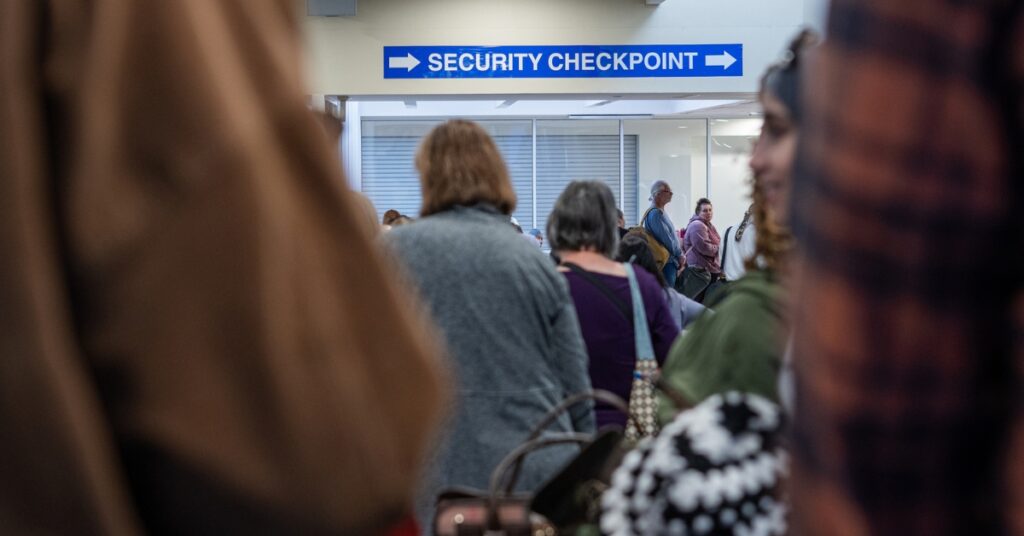
The European Union has again eased its Entry/Exit System (EES) rules for at least nine countries, days after insisting that the summer derogation would not be extended.
France, Belgium, the Netherlands, Germany, Greece, Malta, Portugal, Italy and Switzerland can delay full enforcement until their technology works properly. The aim is to “maintain border fluidity.”
Brussels reportedly approved the move informally, with no new deadline set. The fixed cut-off has effectively become an open-ended, country-by-country pause.
Digital border, manual fallback
The EES replaces passport stamps with digital registration. Non-EU nationals provide fingerprints and a facial image when crossing the external border of the 29-country Schengen area for a short stay.
British and other non-EU travellers are covered. The Commission said that the system is intended to strengthen border security and reduce illegal immigration.
From rollout to delay
The EES began rolling out in October 2025 and was due to be fully operational by April 2026. Software problems and long queues disrupted that timetable.
Officials introduced a 150-day grace period allowing countries to suspend checks during the summer. Border staff could also revert to manual screening during periods of severe congestion.
The grace period expired on 6 September 2026, and the EU initially ruled out an extension.
However, the nine countries had already asked for more time in a joint letter to the Commission in July, arguing that the system was not ready for full implementation. Days after the deadline passed, Brussels reportedly allowed them to delay enforcement.
Tech keeps stalling
Problems have affected both the uploading of initial biometric scans to the central database and border officials’ ability to retrieve them.
Thomas Reynaert of the airline group IATA described “operational difficulties, technical failures and instability across multiple airports”.
Travel data firm Qsensors found that waiting times at major hubs, including Frankfurt, roughly doubled in July 2026, presumably due to technical glitches and hardware problems.
When the system fails, border guards return to manual passport stamping. Reduced checkpoint capacity at some airports has added to queues, leaving Britons and other non-EU travellers facing lengthy waits.
Airlines, governments push back
The reversal followed pressure from airlines, airports, ports and governments.
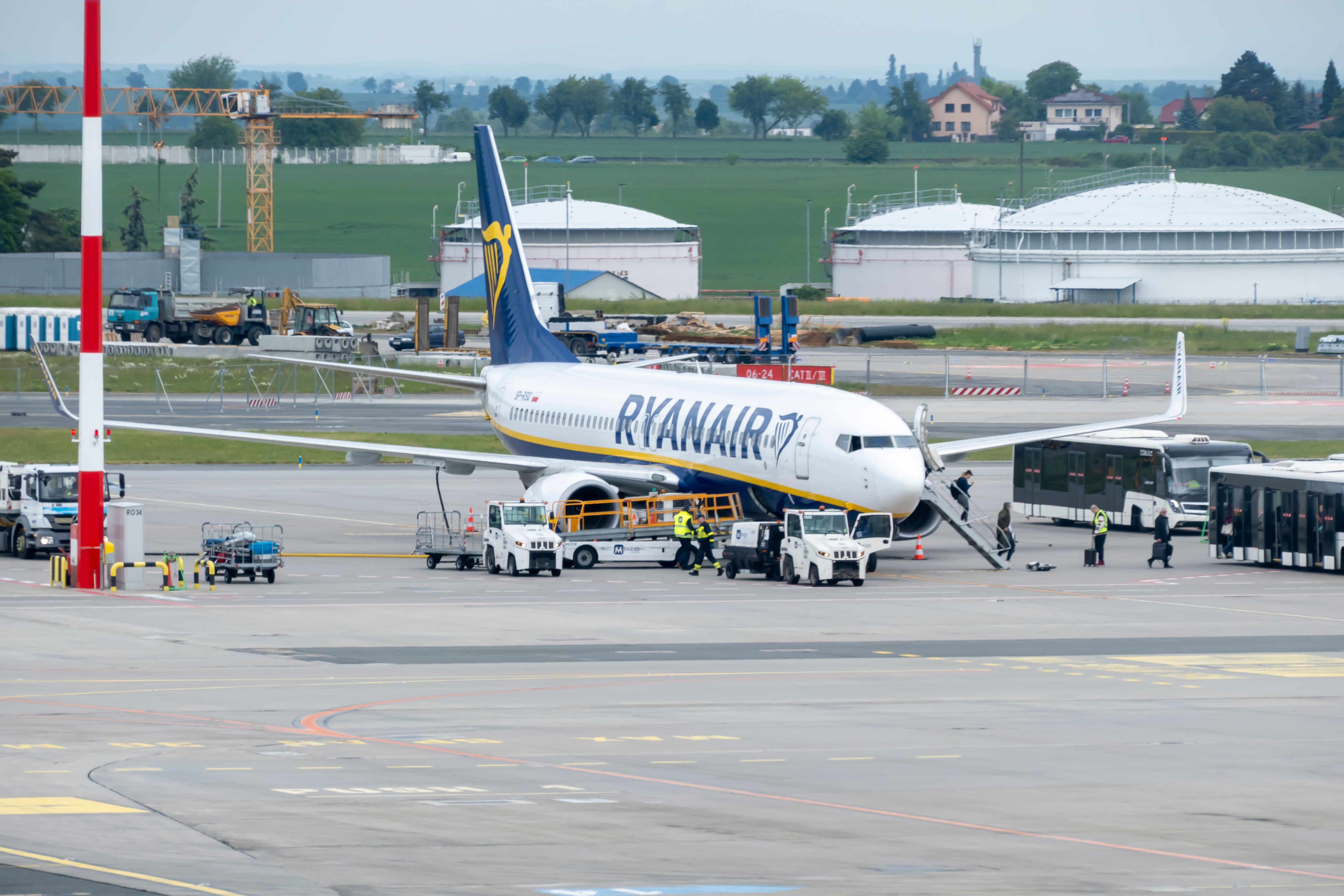
Ryanair has urged the Commission to extend the derogation until at least April 2027. Chief operational officer Neal McMahon criticised the rollout.
“The EU’s handling of EES has been a shambles from start to finish,” McMahon remarked. “Passengers should not be made to pay the price for the EU’s failed EES rollout.”
IATA also warned of serious disruption if Brussels refused to change course.
The UK government pressed for flexible enforcement beyond 6 September. Britain has provided £10.5 million for infrastructure at Dover, Eurotunnel and Eurostar, plus £20 million for passport checks and vehicle-holding capacity at Dover.
Apostolos Tzitzikostas, EU commissioner-designate for transport, reportedly told UK Transport Secretary Heidi Alexander privately that the EES would not be strictly enforced after 6 September.
Eurostar chief executive Gwendoline Cazenave reached a similar conclusion after talks with French interior ministry officials, saying the EU understood the need to keep borders moving.
Commission stays quiet
The European Commission declined to comment on the reported delays, despite previously maintaining that the EES was working well.
The latest concession leaves full enforcement dependent on whether the technology functions reliably rather than on a fixed deadline.
For non-EU travellers, including Britons, biometric registration remains required on paper, but its application may vary by country.
Airlines and ports gain temporary relief, but the technical problems remain unresolved. It is also unclear whether Brussels will set another enforcement date or allow the current arrangement to continue.
Ryanair’s call for a formal extension until April 2027 adds further pressure. If nine of the 29 participating countries can delay full enforcement, others may seek the same flexibility, making reliable databases and biometric systems crucial to any future deadline.