
A First-Timer’s Guide to the Amalfi Coast: Where to Stay, What to See and How to Get Around
Oct 10, 2026
Category: Destination Guides European Travel Italy Travel Tips
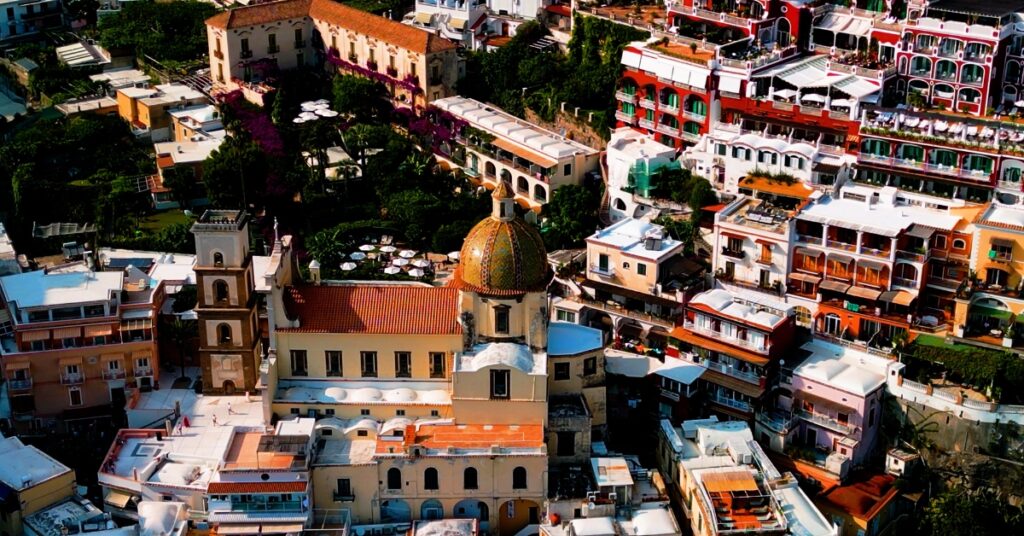
Pastel villages stack up the cliffs, lemon terraces drop towards the Tyrrhenian Sea, and British travellers keep coming back for more. UNESCO has listed the Amalfi Coast as a World Heritage Site since 1997.
For a first-timer, though, the beauty comes with trade-offs. The villages are steep, the roads are narrow, and the summer crowds are heavy, so you can lose a lot of your trip without a plan.
This first-timer’s guide to the Amalfi Coast covers when to go, how to get there from the UK and where to base yourself. It also covers what to see, what to eat, how to budget, and what to sort before you leave.
When is the Best Time to Visit the Amalfi Coast?
May, June and September are the best months to visit the Amalfi Coast. You get warm weather, open businesses and manageable crowds before and after the July and August rush.
| Month | Average daytime high | Sea temperature | Crowds |
| January | 13°C | 15°C | Very light |
| April | 18°C | 15°C | Light |
| May | 22°C | 18°C | Moderate |
| June | 26°C | 21°C | Moderate to busy |
| July | 30°C | 25°C | Very busy |
| August | 30°C | 26°C | Very busy |
| September | 27°C | 25°C | Moderate |
| October | 22°C | 22°C | Light to moderate |
Shoulder Season (April–June and September–October)
Spring and early autumn offer comfortable days for sightseeing, hiking, and swimming without the August heat. September is the pick for the beach, because the sea has had all summer to warm up.
Ferries run fuller timetables from spring and start winding down by late October. Check sailing days before you book a boat trip at either end of the season.
Weather can turn unsettled in April and October, so pack a light waterproof.
Peak Summer (July and August)
July and August bring the hottest weather and the biggest crowds. Beaches fill up, buses and ferries are packed by mid-morning, and hotel rates reach their yearly high.
Peak season still works if school holidays fix your dates, particularly if you are travelling as a family. A few habits make the heat and the queues easier to handle:
- Start sightseeing before 9am, while the villages are still quiet.
- Spend the middle of the day by the water or in the shade.
- Head back out in the late afternoon, once the day-trippers have left.
Winter and Early Spring
Many hotels, restaurants and beach clubs close from November until around Easter. Ferry and bus services also run reduced timetables.
You get quiet villages and lower prices, but the sea is too cold for most swimmers. Cloud and rain can hide the views that make the coast worth visiting.
How Do You Get to the Amalfi Coast from the UK?
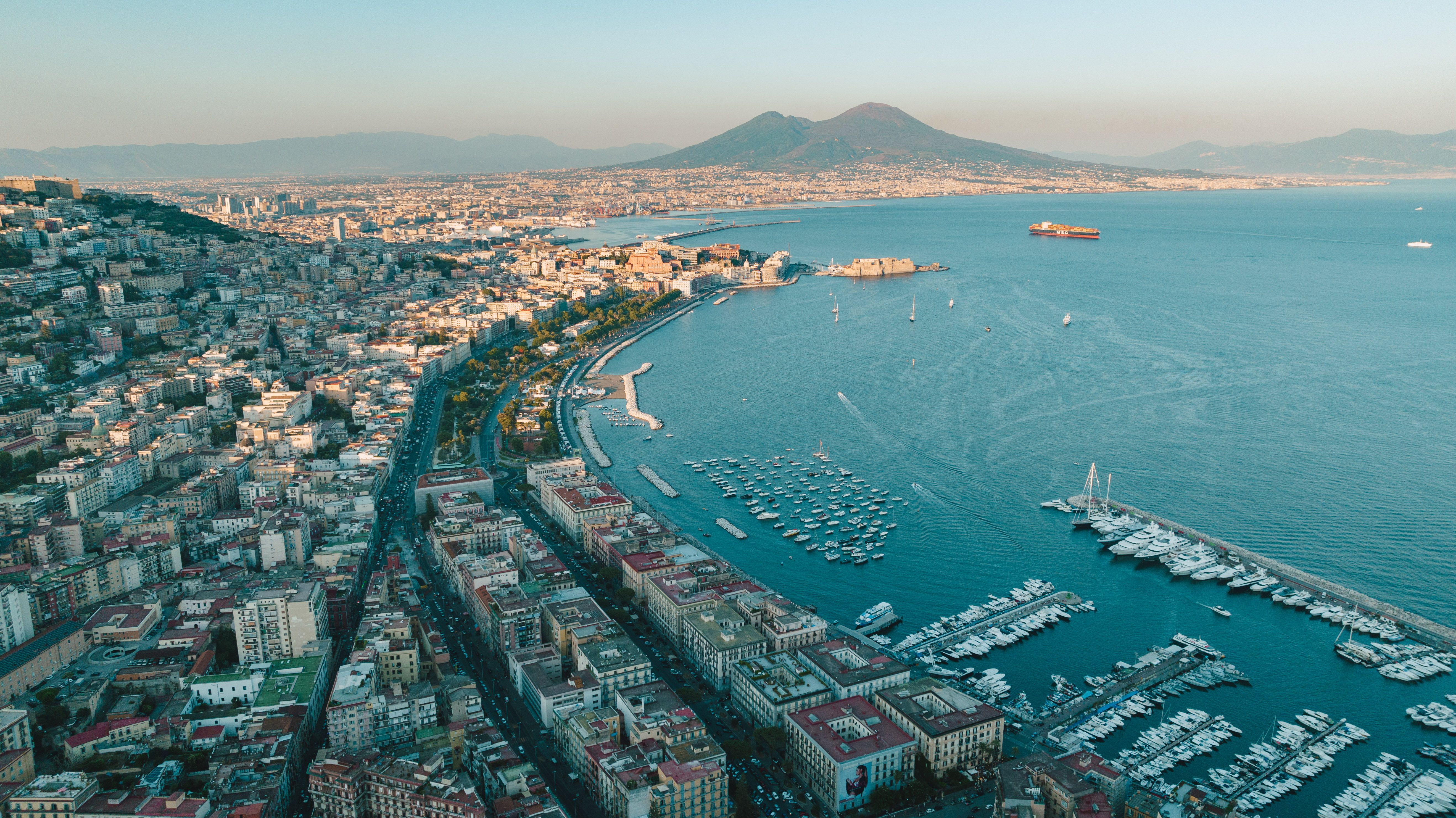
Fly into Naples International Airport, then travel on to the coast by road, rail or sea. Salerno and Rome work as alternatives if your plans or flight times suit them better.
Flying Into Naples International Airport
Naples is the closest major airport to the coast, and most British travellers use it. Direct flights run from London airports and several regional UK airports, though routes and frequencies change by season. The flight from London takes around two hours 45 minutes.
Sorrento and Positano are closest to the airport, with Amalfi a little further along the coastal road. Check summer schedules early, because direct services thin out outside the main season.
Onward Transfers to the Coast
You have four main ways to reach the coast from Naples. Traffic on the coast road can add a lot of time to any road transfer in summer, so build in a buffer if you have a flight or ferry to catch.
| Option | Best for | Approximate journey time |
| Private transfer | Groups, late arrivals, heavy luggage | 1 hr 30 min to 2 hrs 30 min to Positano or Amalfi |
| Shared shuttle | Solo travellers and couples on a budget | 1 hr 45 min to 2 hrs 30 min, with drop-offs along the way |
| Bus from the airport to Sorrento, then local bus or ferry | Travellers comfortable with changes | About 1 hr 15 min to Sorrento, plus onward travel |
| Train from Naples to Sorrento, then local bus or ferry | Travellers staying near Sorrento | About 1 hr 10 min on the Circumvesuviana, plus onward travel |
A private transfer is the simplest option and the easiest to share between several people. Local buses and ferries from Sorrento cost less but take more planning.
Arriving via Salerno or Rome
Salerno makes sense if you are staying at the eastern end of the coast. You can reach it from Naples by fast train in around 40 minutes, then take a ferry to Amalfi in roughly 35 minutes.
Rome suits travellers who want to see the capital first. High-speed trains run from Rome to Naples in about an hour and ten minutes, with onward trains to Salerno.
Where Should First-Timers Stay on the Amalfi Coast?
Stay in Positano for the classic postcard setting, in Amalfi for a central base with strong transport links, or in Sorrento for a lower budget. Each choice trades convenience against atmosphere and cost.
| Base | Best for | Price level | Pace |
| Positano | Scenery and short stays | Highest | Busy |
| Amalfi and Atrani | Central access | High | Lively to calm |
| Praiano, Minori and Maiori | Value and local feel | Mid-range | Quiet |
| Sorrento | Budget and choice | Lower | Busy |
Positano
Positano stacks its hotels, shops and restaurants up a steep hillside, so expect plenty of stairs between your room and the beach. Travel light, because there is rarely a way to wheel a suitcase to your door.
It carries the highest prices on the coast, and a night or two is often enough. Book well ahead for May to September.
Amalfi and Atrani
Amalfi is the main hub for ferries and buses, which makes day trips easy to organise. Ravello sits above it, and the Path of the Gods trailhead is within reach.
Atrani lies a short walk along the shore from Amalfi and has a small piazza and a calmer feel. It is one of Italy’s smallest towns, so you will find fewer hotels and more guesthouses.
Praiano, Minori and Maiori
These three villages cost less than Positano and Amalfi and feel more like places where people live. Praiano has cliffside terraces that face west, so you get strong sunsets from your balcony.
Maiori has the longest sandy beach on the coast, which suits families with young children. Minori is a smaller seaside town with a relaxed pace and a good reputation for pasta and pastries.
Sorrento as a Budget Base
Sorrento offers more hotels and apartments than any village on the coast, with lower rates. It also has a train station on the line from Naples, so you can arrive without a transfer.
You will need to travel each day to reach the main villages, either by road along the coast or by sea. Allow extra time in summer, when queues build and traffic slows.
How Do You Get Around the Amalfi Coast?
Ferries and local buses are the most practical ways to get around the Amalfi Coast. Driving is the hardest option for first-timers because of narrow roads and limited parking.
| Option | Cost | Speed in summer | Stress level |
| Ferry | Mid-range | Fast | Low |
| SITA bus | Low | Slow | Medium |
| Taxi or private driver | High | Medium | Low |
| Hire car | High once parking is added | Slow | High |
Ferries
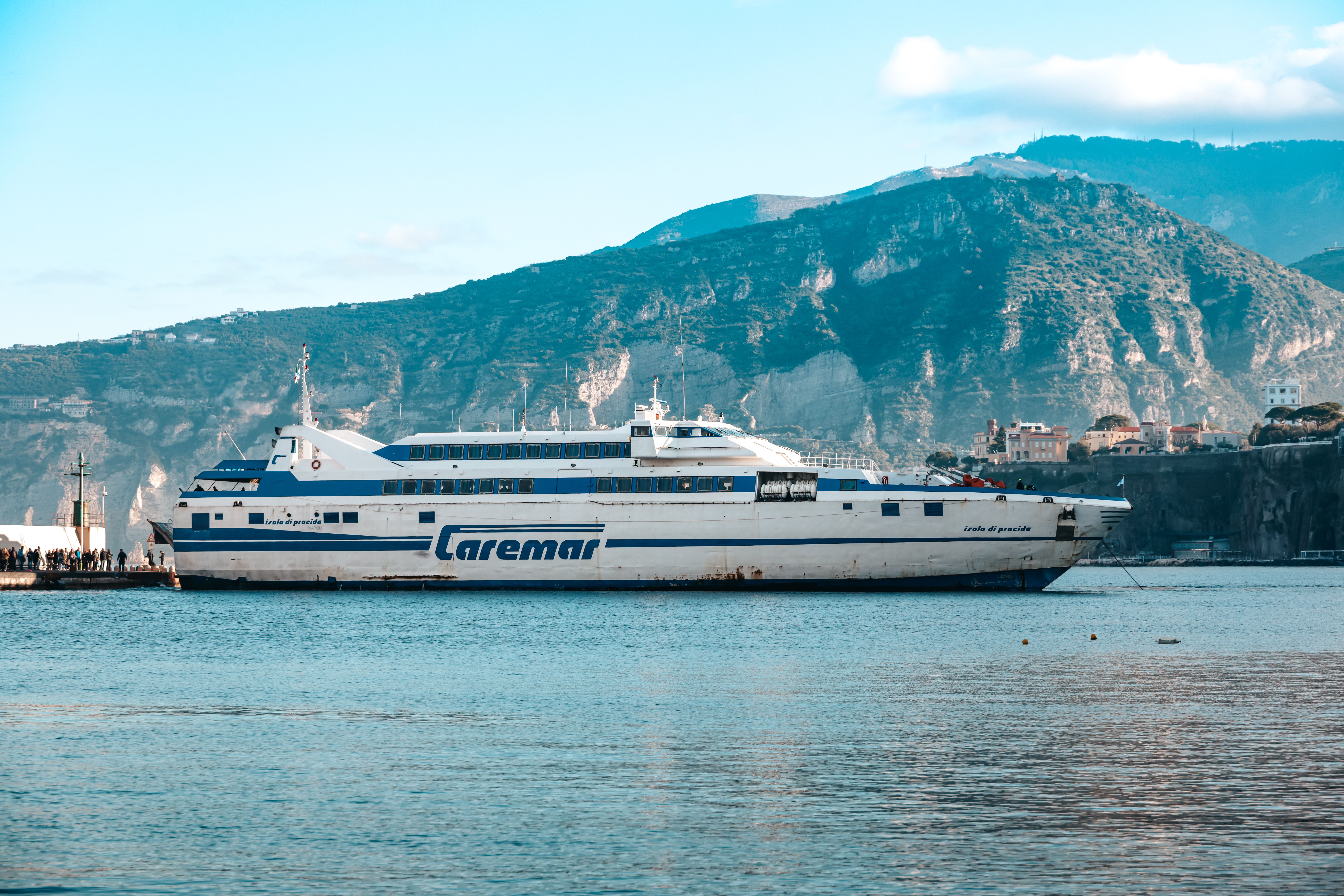
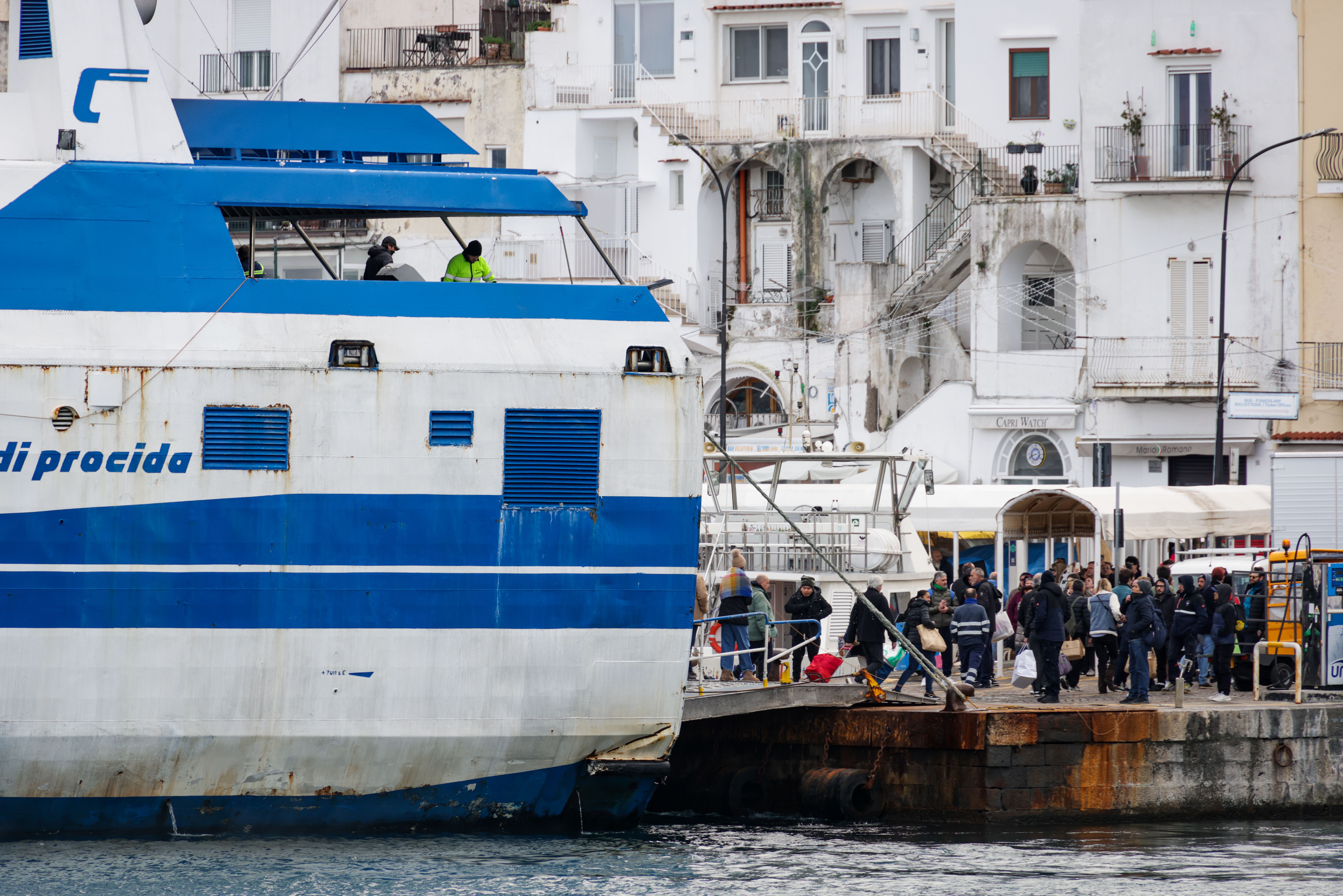
Ferries link Amalfi, Positano, Salerno, Sorrento and Capri, and they run from spring to autumn. The crossing from Positano to Amalfi takes around 30 minutes, which beats the coast road at peak times.
You get a clear view of the cliffs and villages from the water. Buy tickets at the harbour kiosk or online, and check the timetable before you plan a day around a particular sailing.
SITA Buses
SITA buses run along the SS163 coast road between Sorrento, Positano, Amalfi and Salerno. You can buy tickets from tobacconists (tabacchi) and some bars, and fares stay low.
Buses fill up fast in summer, so you may wait for the next one. On the Sorrento-to-Amalfi route, sit on the right-hand side for sea views.
Taxis and Private Drivers
Taxis suit short hops between nearby villages, but fares add up quickly on steep, winding roads. A private driver costs more per trip and can save money over several taxi rides.
Hiring a driver for half a day or a full day works well for groups and for travellers with limited mobility. Agree the route, price, and pick-up time before you set off.
Hiring a Car
The coast road is narrow and twisty, and drivers on the right take some getting used to if you drive on the left at home. In July and August, traffic can crawl through Positano and Amalfi.
Most villages have restricted traffic zones (ZTL), and fines arrive by post months later. Parking is scarce, and garages in Positano and Amalfi charge high daily rates.
What Are the Best Things to See and Do on the Amalfi Coast?
Pick a few key villages, one or two gardens or viewpoints, and a day on the water. Trying to see everything leaves you rushing between ferries and buses.
| Highlight | Best time to go | Time to allow |
| Positano | Early morning or after 5pm | Half a day |
| Amalfi Town | Mid-morning | Half a day |
| Ravello | Late afternoon | Half to a full day |
| Path of the Gods | Start by 8am | 3 to 4 hours |
| Boat trip | Morning | Half to a full day |
Positano
The Spiaggia Grande is the main beach, with pebbly sand and rows of sunbeds. The Church of Santa Maria Assunta stands just behind it, topped with a tiled dome you can spot from across the bay.
Boutiques, ceramics shops and sandal makers line the lanes above. Visit early or after 5pm to avoid the midday crowds.
Amalfi Town
The Cathedral of Sant’Andrea sits at the top of a wide staircase on the main square. Its striped façade and bronze doors date back to the Middle Ages, and the Cloister of Paradise next door adds a quiet courtyard.
The Museo della Carta occupies an old paper mill and explains how Amalfi became known for handmade paper. The town also ranked among Italy’s powerful maritime republics, and the history shows in the old arsenal and harbour.
Ravello
Ravello sits around 350 metres above the sea and feels cooler and calmer than the villages below. The bus from Amalfi takes about 25 minutes.
Villa Rufolo has terraced gardens and sea views, and Villa Cimbrone ends at the Terrace of Infinity, lined with marble busts. Go in the late afternoon for softer light and fewer tour groups.
Hiking the Path of the Gods
The Path of the Gods runs from Bomerano to Nocelle and covers roughly eight kilometres. Most walkers take three to four hours, and the route is moderate, with some rocky, uneven sections.
From Nocelle you can continue down around 1,500 steps to Positano. Bring water and sturdy shoes, and start early to avoid the midday heat.
Pick your return option before you set off:
- Walk down to Positano and take a bus or ferry onward.
- Take the local bus from Nocelle back towards Praiano or Positano.
- Arrange a taxi from Nocelle.
Boat Trips and Beaches
Day trips by ferry or private boat run to Capri, the Li Galli islets and the Emerald Grotto at Conca dei Marini. Small-group boats give you time to swim and stop at hidden coves.
Beach clubs charge for sunbeds and often include table service. Public beaches are free but fill up fast, and most are pebbly, so bring water shoes.
What Should You Eat and Drink on the Amalfi Coast?
Order fresh seafood, simple regional pasta and anything made with local lemons. Pair it with limoncello or a crisp white wine from the nearby hills.
Local Specialities
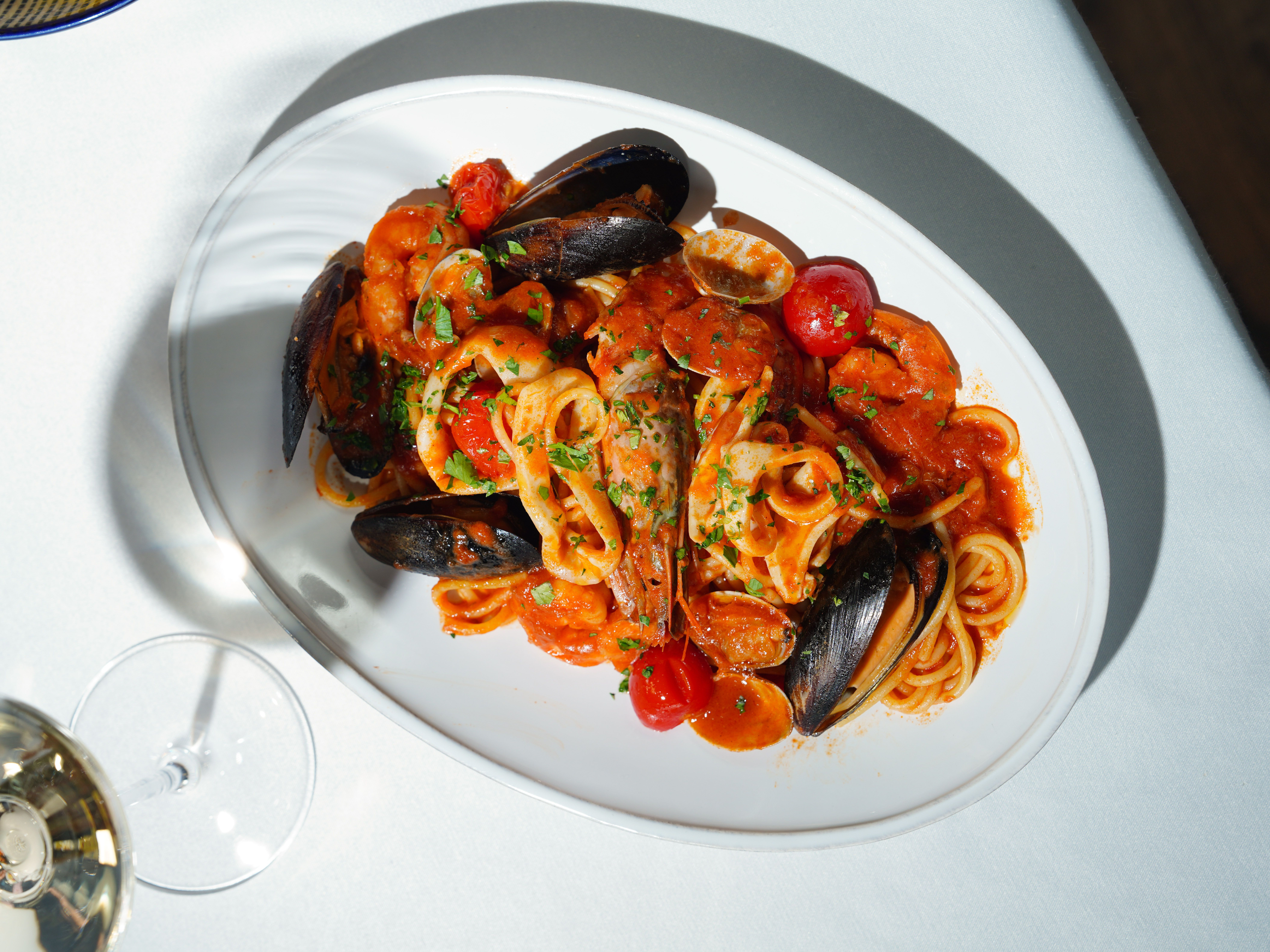
Scialatielli ai frutti di mare is the first dish to try. This thick, hand-cut pasta is served with clams, mussels, and prawns, and it comes from this stretch of coast.
Cetara, a fishing village at the eastern end, is known for colatura di alici, an amber anchovy sauce. Delizia al limone is the signature dessert, a soft sponge dome filled with lemon cream.
| Dish | What you get | Good to know |
| Spaghetti alle vongole | Spaghetti with clams, garlic and olive oil | Usually served without cheese |
| Alici fritte | Fried fresh anchovies | Often shared as a starter |
| Frittura di paranza | Mixed fried small fish and squid | Best eaten straight away |
| Mozzarella di bufala | Fresh buffalo-milk mozzarella | Made in nearby Campania |
Limoncello and Local Wine
The sfusato amalfitano is a large, thick-skinned lemon grown on the terraces above the villages. Limoncello starts with the peel, which is steeped in alcohol and mixed with sugar syrup.
Restaurants serve it chilled in small glasses at the end of a meal, and many pour a glass on the house. Shops in Amalfi and Positano sell bottles in ceramic flasks, but check the label for the lemon’s origin if you want the local product.
The Costa d’Amalfi DOC covers white, red and rosé wines made in the hills around Furore, Ravello and Tramonti. Look for falanghina and biancolella among the whites and piedirosso among the reds.
Where and How to Eat Well
Walk a few streets away from the main squares and the harbour front. A short menu, a handwritten specials board and tables full of Italian diners are good signs.
Menus with photos, waiters pulling you in from the pavement and long lists in six languages point the other way. Most restaurants add a cover charge (coperto) of a few euros per person, which appears on the bill and is separate from tipping.
Lunch usually runs from about 12.30pm to 3 pm, and dinner starts around 7.30pm. In peak season, book tables a day or two ahead, particularly for places with a terrace or sea view.
How Much Does a Trip to the Amalfi Coast Cost?
Budget around £150 to £300 per person per day for a comfortable mid-range trip, with accommodation taking the biggest share. Prices swing sharply by village and month, so your dates matter as much as your base.
Accommodation Costs
A double room at a budget guesthouse costs from about £90 to £150 a night in shoulder season. Mid-range hotels in Amalfi, Praiano and Minori usually run from £180 to £300.
Positano sits at the top of the scale, with boutique and sea-view hotels often topping £400 a night in summer. Book spring and early autumn rooms several months ahead, because the best-value places sell out first.
Food, Transport and Activities
Eating out follows a similar pattern, with prices rising the closer you sit to the sea. Here is a rough guide in pounds sterling:
| Item | Typical cost per person |
| Coffee at the counter | £1.50 to £2.50 |
| Pizza or pasta lunch | £10 to £17 |
| Seafood main course | £20 to £35 |
| Bus between nearby villages | £2 to £4 |
| Ferry between Positano and Amalfi | £9 to £13 |
| Entry to a villa garden in Ravello | £8 to £13 |
| Small-group boat trip | £50 to £120 |
Taxis and private drivers cost far more, and a short taxi hop can match the price of a restaurant meal. Guided hikes usually cost £40 to £80 per person, depending on group size.
Ways to Save Money
Stay in Praiano, Minori or Maiori rather than Positano, and you can cut your nightly rate by a third or more. Travelling in May or September also brings lower prices than July and August, without losing much good weather.
Eat where the locals do, and have your main meal at lunch, when many restaurants offer cheaper set menus. A coffee at the counter costs a fraction of the same drink at a table with a view.
Italy uses the euro, and cards are accepted in most hotels, restaurants and shops. Some small cafés, bus kiosks and market stalls still prefer cash, so carry a little with you.
Check your UK bank’s foreign transaction fees before you travel. Some cards charge a fee for every purchase abroad, while others waive it, and always pay in euros if a card machine offers to charge you in pounds.
What Do British Travellers Need to Know Before They Go?
UK passport holders can visit Italy without a visa for up to 90 days in any 180-day period. You need a suitable passport and should expect to give your biometric details at the border.
Passport and Entry Requirements
Your passport must be less than 10 years old on the day you arrive and valid for at least three months after you plan to leave. Check the issue date as well as the expiry date, because British passports renewed with leftover time on the old one can show more than 10 years.
The EES and ETIAS
Italy uses the Entry/Exit System (EES), which registers non-EU nationals each time they cross the external border. The system has been fully operational since 10 April 2026 and replaces passport stamping.
At your first crossing, border officers take your facial image and/or fingerprints and record your passport details. Allow extra time at arrival, particularly at busy airports in summer.
Once you are registered, you can check how many days you have left through the EES online tool.
The European Travel Information and Authorisation System (ETIAS) is planned for visa-exempt travellers, but the official site says it is not operational and is not accepting applications.
Money, Insurance and Plugs
Cash machines are easy to find in Amalfi, Positano and Sorrento, and fees vary by the machine’s operator. Tipping is modest in Italy, so rounding up the bill or leaving a few euros is enough for good service.
| Item | What to bring | Why it matters |
| Travel insurance | A policy covering medical care, repatriation and cancellation | Covers costs the GHIC does not |
| GHIC | A valid UK card | Gives access to state-provided healthcare on the same terms as Italian residents |
| Plug adapter | A UK to Type C, F or L adapter | UK Type G plugs do not fit Italian sockets |
Keep your insurer’s emergency number on your phone and check what your policy excludes before you book boat trips or hikes.
Tourist Tax and Local Etiquette
Italian municipalities charge a tourist tax per person per night, and you pay it at your accommodation, often in cash. The rate depends on the town, the type of accommodation and the length of your stay.
Cover your shoulders and knees when you enter a church, and carry a light scarf or shirt for the purpose. A friendly “buongiorno” when you walk into a shop and a “grazie” when you leave go a long way with local staff.

What Does a Sample Amalfi Coast Itinerary Look Like?
Four to seven days is enough for a first visit to the Amalfi Coast. Three days covers the highlights, and a longer stay gives you room to slow down and add day trips.
| Trip length | Pace | Suits |
| Three days | Fast | Short breaks or an add-on to a city trip |
| Five days | Balanced | Most first-timers |
| Seven days | Relaxed | Beach time and a flexible schedule |
Three-Day Itinerary
Spend day one in Positano, day two in Amalfi and Ravello, and day three on the water or on the Path of the Gods. Basing yourself in Amalfi keeps every stop within about 30 minutes.
- Day one: Positano’s beach, church and shopping lanes, then dinner with a view.
- Day two: the cathedral in Amalfi in the morning, then the bus up to Ravello’s gardens in the afternoon.
- Day three: a boat trip along the coast, or the hike from Bomerano to Nocelle.
This plan suits a short extension to a city break in Naples or Rome. You will not have time to spare, so book your ferry and boat tickets in advance.
Five-Day Itinerary
Add a day trip to Capri or Pompeii and a slower day in Praiano or Cetara. Ferries to Capri leave from Positano, Amalfi and Sorrento, and Pompeii is easiest to reach by train from Sorrento.
Cetara is a working fishing village near the Salerno end of the coast. You can eat fresh anchovies at the harbour and swim at the small beach without the crowds of the bigger towns.
Seven-Day Itinerary
A week lets you add rest days, a cooking class or a lemon-grove visit. Many growers near Amalfi and Sorrento run tours that finish with a tasting of lemon products.
Rough seas sometimes cancel ferries, so keep one or two days free. That gives you space to rebook a missed boat trip rather than lose it.
What Common Mistakes Should First-Timers Avoid?
The most common mistakes are overpacking, underestimating the steep terrain, cramming in too many day trips and booking too late. Each one costs you time and money, and each is easy to fix before you leave.
Overpacking and Underestimating the Terrain
Most villages are built on cliffs, and the route from the road to your hotel often runs up or down dozens of steps. Hard-sided suitcases bounce on cobbles and stairs, and few lanes are smooth enough to wheel a bag.
Pack a soft holdall or a small rucksack that you can carry for ten minutes without strain. Choose flat, grippy shoes over heels or flimsy sandals, because polished stone gets slippery when it is wet.
If your hotel is high above the harbour, ask whether it offers a porter service. Many places run a luggage pick-up for a small fee.
Overplanning Day Trips
Trying to fit Capri, Pompeii, and the coast into a short stay means spending more time on boats and buses than at the sights. Each trip needs a full day once you add transfers, queues and meal stops.
Choose one or two big excursions and give the rest of your time to the villages. A slower pace also gives you room to deal with delays, such as a cancelled ferry or a packed bus.
Booking Too Late
Good hotels, ferry-dependent tours and popular restaurant tables fill up weeks ahead in high season. Leave it late, and you pay more for less, or lose the plan altogether.
| What to book | When to book |
| Accommodation for May to September | Three to six months ahead |
| Private boat trips and guided hikes | Two to four weeks ahead |
| Restaurant tables with a sea view | A few days ahead, or earlier for weekends |
| Ferry tickets | A day or two ahead in summer |
Free cancellation gives you flexibility when you book early. Check the terms before you pay, and set a reminder for the cancellation deadline.
Start Planning Your First Amalfi Coast Trip Today
Travel in May, June or September, pick a base that suits your budget, and use ferries and buses rather than a hire car. Check your passport’s issue and expiry dates before you book, and read the latest border requirements for your travel dates.
Once your dates are set, compare flights into Naples and reserve your accommodation early. Then choose your first village and start building your Amalfi Coast itinerary.