
Passport Rules for UK Travellers to Europe: Validity, Renewals and Border Checks Explained
Sep 25, 2026
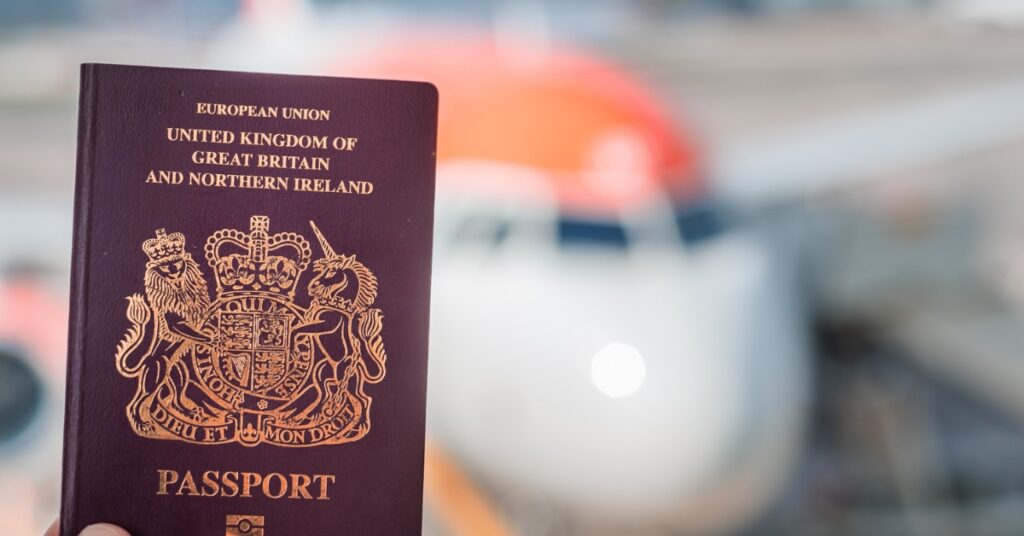
A valid UK passport does not guarantee entry to Europe. Since Brexit, UK travellers must meet EU passport rules, and a passport that is still “in date” can fail those checks.
Travellers can be refused boarding or entry because their passport breaches a specific validity rule. Most problems are avoidable if you know what officials check.
This guide explains Europe’s passport validity rules, where they apply and when to renew. It also covers children’s passports, lost or damaged documents and newer border checks.
It is for UK passport holders making short trips to Europe for holidays, visits or business, not those moving abroad or applying for residency.
What Brexit Changed for UK Travellers to Europe
Since 1 January 2021, the EU has treated UK travellers as visitors from outside the bloc, bringing new border rules.
UK citizens are now third-country nationals, so freedom of movement no longer applies. The colour or wording of your passport does not change this status.
At airports and ports, UK travellers usually use non-EU queues and must meet the EU’s entry requirements, including passport validity rules.
Ireland is the main exception. Under the Common Travel Area, UK citizens retain broader rights, so EU visitor rules do not apply in the same way.
The Passport Validity Rules for Europe
Your passport must meet two requirements for travel to Europe: it must have been issued within the past 10 years and remain valid for at least three months after you leave. Failing either can lead to refusal at check-in or the border.
Passports issued before October 2018 can cause problems because the UK sometimes added up to nine unused months from an old passport. Those extra months do not count towards the EU’s 10-year rule.
The 10-year issue-date rule
Border staff check the issue date, not just the expiry date. A passport can still be valid but be rejected because it was issued too long ago.
For example, a passport issued on 2 August 2016 must be used to enter Europe before 2 August 2026, regardless of its expiry date.
The three-month expiry rule
Your passport must also remain valid for at least three months after your planned departure. Allow extra time in case your return is delayed.
If you leave on 1 September 2026, your passport must be valid until at least 1 December 2026.
Both rules apply separately, so your passport must satisfy the issue-date and expiry-date requirements.
How to Check Your Passport is Valid for Your Trip
You need two passport dates and your travel dates. Check the issue and expiry dates on the photo page, then compare them with your entry and exit dates for Europe.
For a trip-specific check, use the official GOV.UK passport guidance for your destination.
A step-by-step self-check
Before booking, check that:
- Your passport was issued less than 10 years before your arrival date.
- It remains valid for at least three months after your departure date.
- You meet the rules for your specific destination on GOV.UK.
- Every traveller’s passport passes the same checks.
Check each passport separately. Children’s passports usually last five years, so their dates may differ significantly from yours.
| Traveller | Date of issue | Date of expiry | Passes both rules? |
| You | 12 Mar 2017 | 12 Mar 2027 | Yes |
| Partner | 4 Jun 2015 | 4 Jun 2025 | No, expired |
| Child | 20 Sep 2022 | 20 Sep 2027 | Yes |
If anyone fails a check, renew the passport before booking.
Which European Countries These Rules Cover
The passport validity rules apply across the Schengen Area, which is not the same as the EU. Most popular European destinations are in the Schengen Area, but some countries follow different rules.
Schengen, non-Schengen and the Ireland exception
Schengen countries share external border rules, including 10-year and three-month passport validity requirements. The area includes most EU countries plus:
- Iceland
- Liechtenstein
- Norway
- Switzerland
Because EU and Schengen memberships differ, check whether your destination is in the Schengen Area rather than relying on EU membership.
Ireland is different. Under the Common Travel Area, UK travellers face separate, generally lighter requirements than those for visitors to Schengen countries.
Other European countries outside Schengen set their own entry rules, so check GOV.UK before travelling.
Special cases worth checking
Cyprus counts stays separately from time spent in other European countries, so its stay limits work differently from those within Schengen.
For any single-country trip, check the destination’s own requirements as national rules may apply alongside wider European rules.

Renewing Your UK Passport Before a European Trip
Renew before booking. Standard processing usually takes around three weeks but can take longer during busy periods.
Check GOV.UK for current fees and processing times, as both can change.
When to renew and how long it takes
Consider renewing your passport when it has around 10 or 11 months left if you plan to visit Europe. The 10-year and three-month rules can reduce its usable validity.
Avoid booking non-refundable travel until your new passport arrives.
| Service | How fast | Who it’s for |
| Standard | Around 3 weeks, longer at peak times | Travellers with time to spare |
| One-week Fast Track | About a week | More urgent trips |
| Premium | Same or next working day | Eligible adult renewals |
The application itself
Applying online is usually cheaper than using a paper form and requires a digital photo. Your old passport is cancelled and returned after processing.
Check your new passport as soon as it arrives. Report any incorrect names, dates or other details before travelling.
Passport Rules for Children and Families
Every child needs their own passport to travel to Europe. UK child passports are valid for five years, so check their dates separately from adult passports.
Documentation for travelling with children
Border staff may ask for extra documents if you are travelling without the other parent or have a different surname from your child.
| Your situation | What to bring |
| Travelling without the other parent | A signed consent letter with their contact details |
| Your surname differs from your child’s | The child’s birth or adoption certificate |
| You have sole responsibility | A court order or other proof of parental responsibility |
Some countries may question adults travelling with children who have a different surname. Carrying the right documents can help prevent delays at the border.

Lost, Stolen or Damaged Passports at Home and in Europe
Report a lost or stolen passport immediately. Once reported, it is cancelled and cannot be used again, even if you later find it.
Damaged passports may also be refused if key details or the chip are affected. Normal wear is usually acceptable.
| Counts as damaged | Usually just wear |
| Peeling laminate on the photo page | Slightly frayed cover edges |
| Water damage obscuring details | Minor creasing |
| Rips, tears or missing pieces | A soft, well-used cover |
| Loose or detached pages | Faint marks that do not cover text |
If it happens while you’re in Europe
Contact the nearest British embassy, high commission or consulate about an Emergency Travel Document. It is issued for a specific journey and carries a fee.
Keep a photo or photocopy of your passport separately. Having the passport number and details available can make it easier to arrange a replacement or an Emergency Travel Document.
Name Changes, Dual Nationality and Matching Your Booking
Your booking name must match your passport exactly. A mismatch can lead to refusal at boarding.
If you change your name through marriage, divorce or deed poll, update your passport before booking.
| Booking situation | What to do |
| Booked in your maiden name, passport now married | Correct the booking before travel |
| Middle name on passport but not on the ticket | Usually fine, but check with your airline |
| Typo in your first or last name | Ask the airline to correct it |
| Double-barrelled or hyphenated name | Enter it exactly as printed in your passport |
Dual nationals and second passports
If you have two nationalities, decide which passport to use before booking. Some EU countries require their citizens to enter and leave using their own passports.
Use the same passport throughout your journey. Any visa or European travel authorisation must match the passport you present at the border.
Entry Conditions Beyond a Valid Passport
A valid passport does not guarantee entry. You must also meet the EU’s short-stay conditions, which border guards may check on arrival.
The 90-in-180-day short-stay limit
You can spend up to 90 days in any rolling 180-day period across the Schengen Area. On any given day, count back 180 days; your total time in the Schengen Area must not exceed 90 days.
Days are excluded from the calculation once they fall outside that window.
| Trips within 180 days | Days spent | Days left |
| Two weeks in Spain | 14 | 76 |
| A week in Italy | 7 | 69 |
| A month in France | 30 | 39 |
Frequent visitors and second-home owners can reach the limit quickly. Time in Cyprus is counted separately.
Biometric registration and travel authorisation
The EU’s Entry/Exit System (EES) records facial images and fingerprints for short-stay travellers, replacing passport stamps with digital entry and exit records.
Meanwhile, the European Travel Information and Authorisation System (ETIAS) is a separate travel authorisation for visa-exempt travellers, but it is not yet operational. Check the official ETIAS website for the latest information.
What border guards can ask for
You may be asked to show:
- A return or onward ticket.
- Proof of accommodation.
- Enough money for your stay.
Use the same passport for your booking and any travel authorisation. Mismatched details can cause delays or refusal at the border.
Sort Your Passport Before You Book Your Trip to Europe
Give your passport a five-minute check before you pay for a single flight, because the issue date, the expiry date and the Schengen rules decide your trip more than any booking does.
If a date falls short, renew first and book around it, rather than the other way round. Keep the same passport for your booking and any travel authorisation, and carry proof of your plans for the border.
For the current details on validity, renewals and entry rules, GOV.UK and the official EU travel pages are the sources worth trusting.