
Portugal Golden Visa cultural funding quadruples to €46.8m
Sep 25, 2026
Category: Golden Visa Migration News Portugal

Money channeled into Portuguese arts and heritage through the Portugal Golden Visa reached €46.8 million in 2025, almost four times the €11.7 million recorded a year earlier, according to figures published by the Ministry of Culture.
The surge follows an overhaul of the scheme. Property no longer qualifies, redirecting investment towards museums, restoration and research.
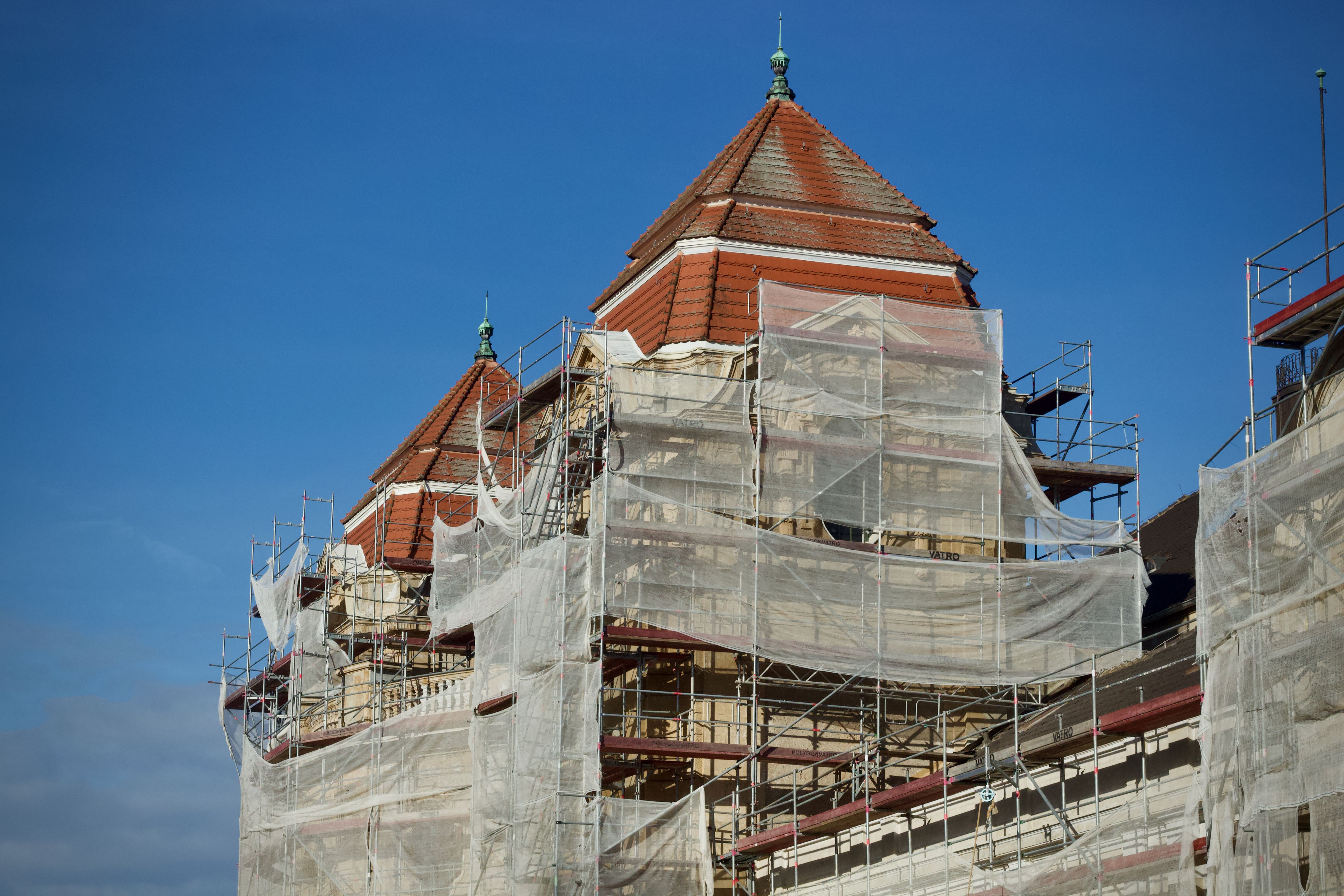
Funding supported 41 eligible cultural activities, either fully or partly. Projects included the new Toy Museum in Caramulo, heritage restoration in Estremoz and conservation work at Lisbon’s Azurara Palace.
Bricks out, art in
The Golden Visa continues under the ARI regime (Autorização de Residência para Investimento), introduced in 2012. What has changed is the range of eligible investments.
Property purchases no longer qualify for new applications. Real estate can still form part of a wider relocation or wealth plan but must remain separate from the qualifying investment, according to advertiser-authored guidance published by The Portugal News.
In August 2026, GEPAC, Portugal’s cultural strategy and planning office, published an updated list of eligible cultural projects, giving applicants a clearer view of where they can invest.
Routes priced to fit
Five main investment routes qualify in 2026, each with specific legal conditions.
Arts and cultural heritage has the lowest threshold at €250,000, falling to €200,000 in eligible low-density areas.
The investment fund route requires at least €500,000. The fund must have a minimum maturity of five years and invest at least 60% in commercial companies headquartered in Portugal.
Scientific research requires €500,000, while investment in a Portuguese company also requires €500,000 plus statutory job conditions. A separate route requires creating at least 10 jobs. Research, arts and job-creation thresholds fall by 20% in low-density areas.
The routes still carry costs and risks. Cultural donations are generally non-refundable, investment funds can lose value, and government and professional fees apply.
British capital eyes exits
UK demand is rising. Henley & Partners reported a 15% increase in applications from people using UK addresses between 2024 and 2025.
The figures cover all Henley programmes, not Portugal alone, but the firm described them as part of a wider trend of wealth leaving the UK.
For many British applicants, flexibility rather than relocation is the appeal. Christina Hippisley, General Manager of the Portuguese Chamber of Commerce in the UK, described it as a question of keeping options open.
“For many people, the attraction of applying for the Golden Visa is having a choice about their future,” Hippisley explained. “They may want to spend more time in Portugal, prepare for retirement or create opportunities for their family, while maintaining their lives in the UK.”
She also cautioned applicants about costs and paperwork. “The Golden Visa can offer that flexibility, but it is important to understand the investment requirements, costs and current rules before deciding whether it is the right route,” she remarked.
Roots without relocating
Holders need to spend relatively little time in Portugal: seven days in the first year and 14 days in each subsequent two-year period.
The residence permit currently lasts two years, subject to ARI renewal rules. Family reunification may cover spouses, qualifying partners, children and certain dependents.
After five years of legal residence, holders may apply for permanent residence, renewable every five years, while retaining visa-free travel within the Schengen Area.
A Golden Visa does not automatically make the holder a Portuguese tax resident.

Citizenship clock resets
Portugal’s Nationality Law changes took effect on 19 May 2026, lengthening the route to citizenship.
New naturalisation applications generally require seven years’ legal residence for nationals of Portuguese-speaking countries and EU member states. Other nationals, including British applicants, face a 10-year sentence.
Applications pending before 19 May 2026 remain under the previous rules.
Residence and nationality remain separate legal processes, and the Golden Visa is not citizenship by investment.
Renewals go paperless
The programme is administered by the immigration agency AIMA, which has moved part of the process online.
Since February 2026, holders have been able to renew through the AIMA Renewals Portal, although processing times are not guaranteed.

Patterns worth watching
Rising cultural funding, the low cultural investment threshold and stronger UK interest reflect the scheme’s shift away from property towards heritage and productive capital.
The cultural route is both the cheapest qualifying option and a funding source for museums and restoration projects.
For British applicants, the ten-year naturalisation requirement makes the Golden Visa a residence option rather than a faster route to citizenship.
Future Ministry of Culture figures will show whether the near-fourfold increase in cultural funding continues, while GEPAC’s list of eligible projects will continue to shape where investment flows.
The new nationality rules may also affect British demand and AIMA’s workload. The Portuguese Chamber of Commerce in the UK will hold its Moving to Portugal Show & Seminars on 15 October 2026 at the Pestana Chelsea Bridge Hotel in London, bringing together legal, tax and financial specialists.