
Solo Travel in Europe: A Brit’s Guide to Going it Alone (Without Going it Lonely)
Oct 21, 2026
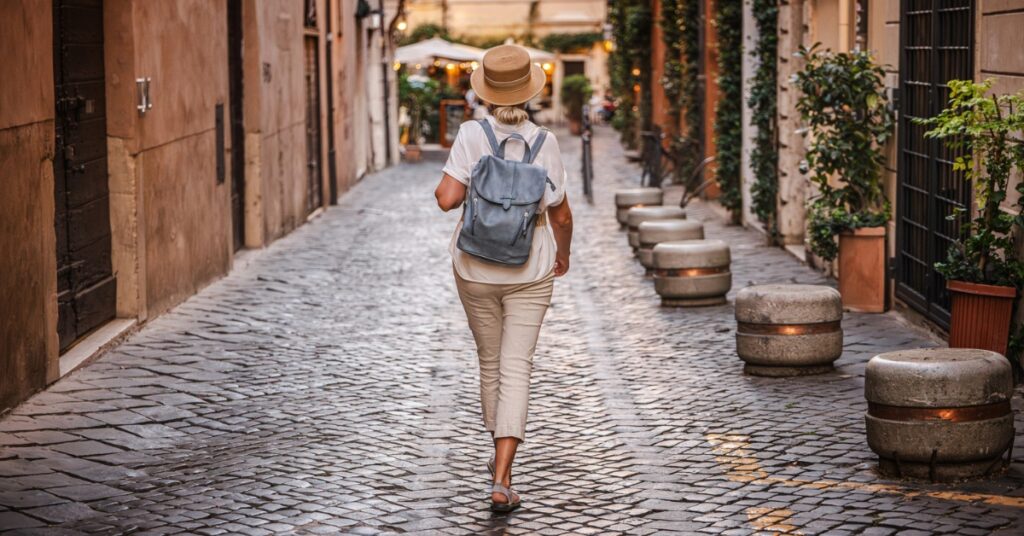
The group chat has been running for three weeks, and nobody can agree on dates, destinations or a budget. So you book the trip yourself.
A solo trip to Europe is easier than it sounds, especially for first-timers. Short flights put Budapest, Croatia and the Netherlands within a few hours of most UK airports.
Strong rail links and well-signposted tourist infrastructure do the rest. You can walk from the station to a historic old town and get around without a car or a tour group.
This guide covers where to go, how to stay safe, how to keep costs sensible and how to meet people along the way. It also looks at transport, accommodation and the border paperwork British travellers should know about before they leave.
Why Europe is Ideal for Solo Travellers from the UK
Europe is close, well connected and easy to read, which makes it a straightforward place for a Brit to travel alone for the first time. You can be in another country within a couple of hours of leaving home, with no long-haul flight to plan around.
Short Hops, Big Variety
A flight from London to Amsterdam takes about an hour and a quarter. Prague is roughly two hours away, while Porto and Seville, Spain sit under three.
That turns a long weekend into a realistic city break. You can land, drop your bag and be sitting in a café before lunch.
Eurostar gives you a route without the airport. Paris is about two hours and twenty minutes from London, and Brussels is just over two hours away, with Bruges a short train ride beyond.
The variety is what keeps people coming back. One trip can take you through the Gothic Quarter in Barcelona, Spain, and the next can put you over a plate of tapas in Seville or among the Christmas markets in Vienna, Austria.
Well-Developed Infrastructure for Travelling Alone
Most European city centres are built for walking. Ljubljana and Bruges are compact enough to cross on foot in under half an hour, so you don’t need a car or a tour group to see the main sights.
Public transportation covers the rest. Metros, trams and regional trains run to clear timetables, and many cities let you pay with a contactless card or your phone.
Signs at stations, airports and major attractions usually appear in English alongside the local language. Menus in tourist areas often include translations, so ordering dinner rarely becomes a guessing game.
Hotels, guesthouses and hostels in popular areas are used to guests who arrive alone and check in late. Reception staff can point you to the nearest station, a late-night pharmacy or a decent place to eat.
Solo Travel is Mainstream, Not Eccentric
If you worry about eating alone or looking out of place, you’re in good company. Restaurants in busy destinations set tables for one without a second glance, and walking tours and hostel common rooms are full of people travelling on their own.
Locals in major tourist cities see solo visitors every day. Nobody in a Prague pub or a Porto wine bar will think twice about a single traveller at the counter.
Many cafés and bars have bar seating or shared tables. Both make it easier to start a conversation when you want one and to be left in peace when you don’t.
Best Places to Travel Alone in Europe
The best places to travel alone in Europe are compact, friendly cities and scenic regions where you can get around easily and meet people if you want to. Your pick depends on whether you want a gentle first trip, a social one or a quiet one.
Easiest Destinations for First-Time Solo Travellers
Lisbon is a good starting point. Its centre is small, trams and funiculars handle the hills, and cafés and viewpoints are close together.
Copenhagen suits you if you like cycling. Bike lanes run across the city, and the harbour and main sights sit within a short ride of each other.
Amsterdam and Vienna offer similar ease. In Vienna you can spend a whole afternoon in a traditional coffee house with a book, and nobody will rush you.
Cities Best for Meeting People
Granada is the easiest place in Spain to start a conversation. Many bars still serve a free tapa with each drink, so you end up moving from bar to bar and chatting to whoever is next to you.
A short trip around Andalusia adds a flamenco night in a small venue. Seats are close together, and the crowd is usually a mix of locals and visitors.
Munich works for similar reasons. Beer halls and gardens use long shared tables, so sitting down next to strangers is normal.
Florence, Italy is strong for activities. Cooking classes, wine tastings and small-group walking tours run daily, and most groups are small enough for everyone to talk.
Budapest has its own social scene around its thermal baths and ruin bars. A walk along the Danube to the Parliament Building at dusk is a good way to start the evening.
Scenic Escapes for Quieter Solo Trips
Norway’s fjords give you space to think. Base yourself in a small town such as Flåm or Ålesund, then take a boat trip or a short hike each day.
If you travel between September and March, you can head north to Tromsø for the Northern Lights. Small-group tours leave from town in the evening.
The Swiss Alps work well for walkers. Towns such as Interlaken and Lauterbrunnen have marked trails, regular public transport and hostels that cater to solo hikers.
Slovenia’s Lake Bled and Lake Bohinj are a short bus ride apart. You can swim, walk the lake paths or hire a rowing boat for an hour.
The Greek islands reward a slower pace. Santorini and Mykonos draw the biggest crowds, so Paros is a calmer alternative with beaches, fishing villages and regular ferries.
In southern Portugal, the Algarve has coastal footpaths where you can walk for hours with only the sea for company. Go outside peak summer and you’ll often have a cove to yourself.
Underrated Picks Beyond the Usual List
Dubrovnik gets the headlines in Croatia, and its walled old town is worth the visit. Go early to walk the city walls before the cruise groups arrive.
Porto is easier on your legs than Lisbon and just as good for food. Tallinn’s medieval old town is small enough to cover in a day, and its cafés and craft shops are built for browsing alone.
Kraków has a lively student quarter and plenty of cheap, filling places to eat. In the Czech Republic, Brno offers a university-town feel with fewer visitors than Prague.
Ljubljana is one of Europe’s easiest capitals to walk. Its riverside cafés and car-free centre make it a relaxed base for a few days.

Is Solo Travel in Europe Safe?
Yes, Europe is one of the safest regions for solo travel, and most trips go off without a hitch. Petty crime and a few predictable scams are the main risks, and basic habits keep them in check.
Safest Countries for Solo Travellers
The Global Peace Index ranks countries on safety and security each year, and European nations often rank near the top. Iceland, Ireland, Austria, Denmark, Portugal, Switzerland and Slovenia appear near the top in recent editions.
Rankings measure national conditions, not what happens on a particular street. Check the Foreign, Commonwealth and Development Office (FCDO) travel advice page for your destination before you book, as it is updated when conditions change.
Common Risks and How to Avoid Them
Pickpocketing is the most common problem, and it clusters around busy stations, tram lines and major sights. Carry your phone and wallet in a zipped cross-body bag, and keep nothing in a back pocket.
Watch for a few repeat scams:
- A stranger offers a “free” friendship bracelet or flower, then asks for money.
- A “broken” ticket machine nudges you towards a person who wants cash.
- An unmarked taxi quotes a flat fare at the airport that is far above the meter rate.
Use official taxi ranks or a ride-hailing app, and agree the price before you get in if there’s no meter.
Late-night transport needs a plan. Check the last train or tram before you head out, and save a local taxi firm’s number so you’re never stuck.
Take a photo of your passport and store it in a separate cloud folder. Tell someone at home where you’re staying, and share your location when you move between cities.
Solo Female Travel in Europe
Many women travel alone across Europe without incident, and a few decisions make the trip smoother. Choose accommodation in a well-lit area close to a station, and read recent reviews from other women before you book.
Female-only dorms are common in hostels and cost the same as mixed ones. Arrive in daylight on your first day, so you can find your bearings before dark.
Trust your instincts about people. If something feels wrong, you can leave a bar, change carriages, or walk into a shop or hotel lobby, and staff will help.
Keep your drink in sight in bars and clubs. If you’re going out alone, tell a staff member or a fellow hostel guest where you’re headed.
Health, Insurance and the GHIC
The UK Global Health Insurance Card (GHIC) gives you access to state-provided healthcare in the EU and Switzerland at the same cost as local residents. It doesn’t cover private treatment, mountain rescue, repatriation or cancelled flights.
That gap is why you should also take out travel insurance. Check that your policy covers medical care, lost belongings and any activities you plan to do, such as hiking or skiing.
Apply for the GHIC on the official NHS or GOV.UK site only, and ignore third-party sites that charge a fee. The card is free and lasts five years.
Without a travel companion, nobody else will make the phone call for you. Save 112, the emergency number across the EU, plus your insurer’s helpline and your nearest British embassy’s contact details on your phone, and keep a written copy in your bag.
Border Rules and Paperwork for British Solo Travellers
British travellers are non-EU nationals, so you can stay in the Schengen Area for up to 90 days within any 180-day period without a visa. You need a valid passport, and you’ll be registered digitally at the border.
Passport Validity and the 90/180 Rule
The 90 days are counted across a rolling 180-day window, not a calendar year. Every day you spend in the Schengen Area counts toward the total, no matter which country you’re in.
Your passport must have been issued within the past 10 years and stay valid for at least three months after the day you plan to leave. Check both dates before you book, because border officers can refuse entry if either one doesn’t meet the requirements.
Here’s how the count works on a single trip:
| Stop | Days | Running total |
| Portugal | 30 | 30 |
| Spain | 25 | 55 |
| Italy | 20 | 75 |
That leaves you 15 days in the window. Days drop out of the count as the window moves forward, so a second trip soon after a long one needs careful adding up.
What EES Means at the Border
The Entry/Exit System (EES) has been fully operational since 10 April 2026. It replaces passport stamping across most of Europe, so you won’t get an ink stamp as proof of your entry date.
At your first crossing, a border officer registers you digitally. The system records:
- your passport details, such as your full name, date of birth and nationality
- the date and place of each entry and exit
- your facial image and/or fingerprints
- any refused entry
If your passport is biometric, you can use automated border control gates where they’re available. Cyprus and Ireland don’t use the system, and officers there still stamp passports by hand.
You can check how many days you have left on the EES online tool or at some external border crossing points. It’s the quickest way to confirm your count if you’re moving between countries.
ETIAS: Where Things Stand
The European Travel Information and Authorisation System (ETIAS) isn’t operational yet, and no applications for travel authorisation are being collected. You don’t need to do anything now, and the EU has said it will announce the start date several months before launch.
When ETIAS starts, it will be an entry requirement for visa-exempt nationals, which includes British travellers. The authorisation costs EUR 20, is linked to your passport and lasts up to three years or until the passport expires, whichever comes first.
If you get a new passport, you’ll need a new ETIAS travel authorisation. Having one doesn’t guarantee entry, as border guards still check that you meet the entry conditions when you arrive. Check travel-europe.europa.eu for the latest official information before you book.

Solo Travel in Europe on a Budget
You can travel alone in Europe on roughly £40 to £170 a day, depending on the region you choose. Where you sleep, what you eat and which countries you visit decide most of that figure.
Realistic Daily Costs by Region
The table below shows typical daily spend for a budget traveller using hostels or simple private rooms, eating a mix of cheap meals and supermarket food, and using local transport. Figures include accommodation.
| Region | Example countries | Daily budget |
| Eastern Europe | Poland, Hungary, Bulgaria | £40 to £70 |
| Southern Europe | Portugal, Spain, Greece | £60 to £100 |
| Western Europe | France, the Netherlands, Germany | £90 to £140 |
| Northern Europe | Norway, Denmark, Iceland | £110 to £170 |
Capital cities and summer weekends push prices above these ranges. Spring and autumn trips often bring accommodation costs down noticeably.
The Single Supplement Problem
Most hotel rooms and tour packages are priced for two people, so you often pay close to the full rate for one. Tour operators add a single supplement on top, which can make an organised trip far more expensive than it first looks.
A few routes avoid the extra charge:
- A private room in a hostel usually costs less than a hotel room and still gives you your own door.
- Aparthotels and guesthouses that charge per room often offer a lower single-occupancy rate.
- Some tour companies advertise no single supplement or match you with a roommate.
Cheap Ways to Eat Well Alone
Set lunch menus are the best deal in southern Europe. Spain’s menú del día and Portugal’s prato do dia usually include a starter, a main course and a drink for a fixed price.
Markets and bakeries sell hot food and fresh bread for a few euros. A supermarket picnic in a park costs less than a café sandwich and gives you something to do with a free afternoon.
Eating at the counter in a bar or tapas place is cheaper than a table for one in many cities. You also tend to get faster service and a chance to chat with the staff.
Money Habits for the Road
Use a debit or credit card with no foreign transaction fees for everyday spending. Withdraw cash less often and in larger amounts from bank-owned ATMs, since per-withdrawal fees add up.
When a card machine or ATM asks whether you want to pay in pounds or the local currency, choose the local currency. The pound option applies the machine’s own exchange rate, which is usually worse than your bank’s.
Keep a second card in a different bag from your main wallet. If one gets lost or blocked, you still have a way to pay while you sort out a replacement.
Getting Around Europe on Your Own
You can cross most of Europe by train, coach or a short flight, and booking each leg yourself is straightforward. The right choice depends on the distance, your budget and how much time you want to spend in transit.
Trains, Buses and Budget Airlines
Trains are the easiest option between city centres, since stations sit close to the sights and you skip airport queues. Eurostar runs from London St Pancras to Paris, Brussels and Amsterdam, and onward connections link you to most of western Europe.
Point-to-point tickets are cheaper when you book early, while an Interrail pass can pay off on a long route with many stops. Many high-speed and long-distance trains also require a seat reservation in addition to a pass, so check each country’s rules.
| Option | Best for | Watch out for |
| Point-to-point train ticket | Fixed routes booked in advance | Prices rise close to the travel date |
| Interrail pass | Several stops over a few weeks | Reservation fees on some services |
| Coach | Cheap, direct city-to-city trips | Longer journey times |
| Budget airline | Long distances, such as Lisbon to Kraków | Bag fees and airports far from the centre |
Coaches such as FlixBus cost less than trains on many routes and often drop you near the main station. Budget airlines suit longer hops, but add the cost of a checked bag and the transfer into town before you compare prices.
Night Trains and Scenic Routes
A sleeper train covers a long distance while you rest, and it saves you a night of accommodation. Services such as the Nightjet link Vienna with cities including Venice, Zurich and Hamburg.
You can choose a seat, a shared couchette or a private sleeper cabin. A private cabin locks from the inside, which gives you more security for your bags and your sleep.
If you’re travelling alone, ask for a female-only compartment where the operator offers one. Keep your passport and phone on you in the bunk, and store larger bags beside you or in the luggage space near your berth.
Some daytime routes are worth taking for the view. The Bernina Express through the Swiss Alps and the Flåm Railway in Norway both run past mountains and fjords, and you can book a seat for a single journey.
Using Public Transport Confidently in a New City
Download an offline map of the city before you leave your accommodation, so you can follow your route without mobile data. Apps such as Google Maps and Citymapper show live timetables and tell you which exit to use at the station.
Most large cities accept contactless bank cards or phone payments at the gate, so you don’t have to learn a ticket machine in a foreign language. Day and multi-day passes work out cheaper if you plan three or more trips.
Run through this short checklist before you arrive:
- Find out how the airport connects to the centre and what a ticket costs.
- Download the local transport app or save a screenshot of the route map.
- Check the last train or tram of the night.
- Note the name of your stop, not only the street address.

Where to Stay: Accommodation for Solo Travellers
The best place to stay depends on how much you want to spend and how social you want to be. Hostels suit meeting people, hotels offer privacy, and guesthouses and aparthotels sit in between.
Hostels that Are Actually Good
Modern hostels are far from the old student dorm. Many now offer private rooms with their own bathrooms, pod-style beds with curtains and lockers, and common areas that feel more like a café than a waiting room.
Look for hostels that run free walking tours, communal dinners or evening events, as these make it easy to meet other guests. Check recent reviews on Hostelworld or Booking.com, paying attention to comments on cleanliness, noise and staff.
Bring a padlock for the locker and earplugs for shared rooms. Choose a dorm with fewer beds if you’re a light sleeper, since a four-bed room is usually quieter than a twelve-bed one.
Hotels, Aparthotels and Guesthouses
A hotel is worth the extra cost if you arrive late at night, need a quiet base, or want a front desk staffed around the clock. Many chains and independent hotels now offer single-occupancy rates, so you don’t always pay for a double.
An aparthotel gives you a small kitchen, which cuts your food costs on longer stays. A family-run guesthouse often comes with a host who knows the area and can recommend places to eat.
| Type | Best for | Typical trade-off |
| Hostel dorm | Meeting people on a tight budget | Less privacy, shared bathrooms |
| Hostel private room | Privacy with a social common area | Costs more than a dorm |
| Hotel | Late arrivals, quiet and security | Highest price of the four |
| Aparthotel | Stays of four nights or more | Fewer staff and services |
| Guesthouse | Local tips and a personal welcome | Fixed check-in times |
How to Choose a Safe Neighbourhood
Start with the map. Pick somewhere within a short walk of a train station, tram stop or metro line, so you aren’t relying on a taxi after dark.
Use this method before you book:
- Read reviews from the past three months and search them for the words “safe”, “quiet” and “walk”.
- Look at the street on a map or in Street View to check for lit roads and open shops nearby.
- Check how the place handles late arrivals, including whether reception is open or you need a key code.
- Avoid booking somewhere you can only reach by an isolated road or a long walk through empty streets.
If you arrive late, message the host or front desk before you travel and confirm the check-in details. Save the address and the property’s phone number in an offline note.
How to Meet People (and Enjoy Your Own Company)
You can meet people by joining group activities, staying somewhere social and saying yes to small invitations. You’ll also enjoy your time alone more if you plan for it instead of treating it as a gap.
Easy Ways to Make Connections
Group activities do the introductions for you. Pick one or two a trip and you’ll find conversation comes with the setting.
| Activity | How it works | Typical cost |
| Free walking tour | Meet at a central square, tip the guide at the end | Pay what you wish |
| Food tour | Small group visits several vendors with a local guide | Paid in advance |
| Language exchange | Cafés and bars host weekly meet-ups to practise speaking | Usually the price of a drink |
| Group day trip | Coach or minibus to a nearby town or beach | Paid in advance |
| Hostel common room | Guests share a kitchen, lounge or bar | Free if you’re staying |
Say yes when someone invites you to join dinner or a walk. A short “do you mind if I sit here?” in a hostel kitchen or at a shared table usually gets a friendly answer.
Eating Out, Sightseeing and Nights Out Alone
Eating alone gets easier once you have a method. Book an early evening table when restaurants are quieter, sit at the bar if there is one, or choose a place with a relaxed, casual feel.
Bring a book, a notebook or a guidebook to keep you busy between courses. Plenty of people use their phone, but looking up at your surroundings tends to start more conversations with staff and neighbouring tables.
Sightseeing alone has its own advantages. You can stay as long as you like at a museum, skip the queue for a viewpoint you don’t care about and change your plan without asking anyone.
For nights out, start somewhere with a lively but low-pressure atmosphere, such as a pub quiz, a live music night or a bar with communal tables. Set a time to head back before you go, and make sure you know how you’ll get home.
Making Solitude Part of the Trip
Leave a few hours free each day with nothing booked. Unscheduled time lets you follow an interesting street, take a long lunch, or return to a place you liked.
Most solo travellers have a lonely evening at some point, and it usually passes. A call to a friend, a walk to a food market or an early night with a film often resets the mood.
Try a few habits that make being alone feel like a choice:
- Keep a short travel journal and write down one thing you noticed each day.
- Take a photograph of something small, like a door or a street sign, and look back on it later.
- Sit in a park or on a harbour wall for 20 minutes without checking your phone.

Book the Solo Trip, Europe Is Ready for You
Solo travel in Europe is more manageable than it looks, and the hardest part is usually pressing “book”. Choose one beginner-friendly city, set a budget and build in a few safety habits before you go.
Check the official EU travel pages for the latest border information, then pack light and leave room in the schedule for the unplanned. Your first solo trip could be only a few weeks away.