
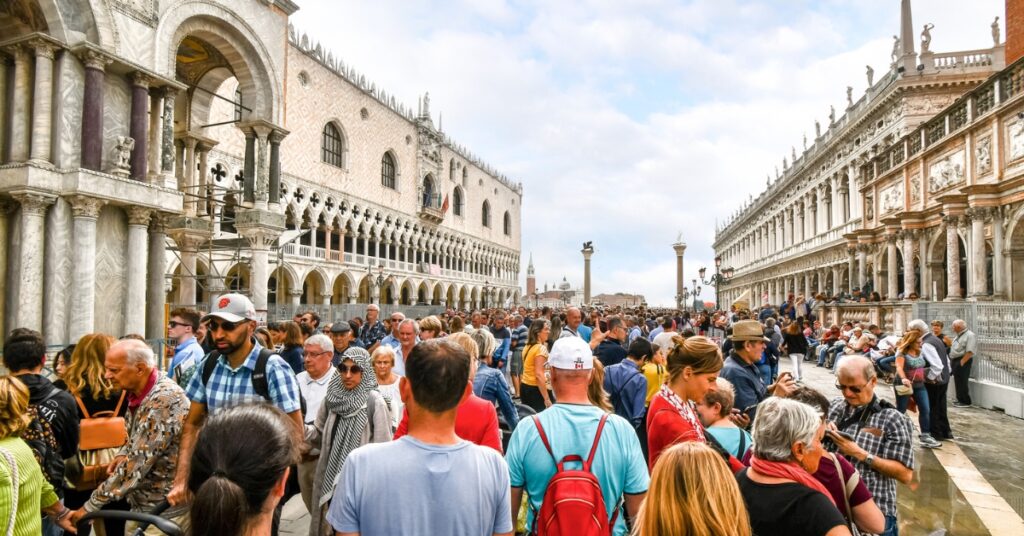
Europe’s tourism rules are getting a rethink. European Union ministers have agreed on a plan to spread visitors more evenly and ease the strain on crowded hotspots.
The Council of the European Union adopted the conclusions on 28 May 2026, at its 4178th meeting in Brussels. The text is titled “Building a sustainable and competitive tourism for the future.”
It tried to weave economic, social and environmental goals into every tourism policy. The plan builds on the European Agenda for Tourism 2030, the Transition Pathway for Tourism and the Palma Declaration.
Crowds push policy shift
At the centre of the plan sat one problem: too many tourists in too few places. The conclusions addressed overtourism in popular spots and undertourism in quieter ones simultaneously.
Member states were asked to gather data on where visitors go and when. That data would be matched against housing costs, local jobs, the environment and residents’ quality of life.
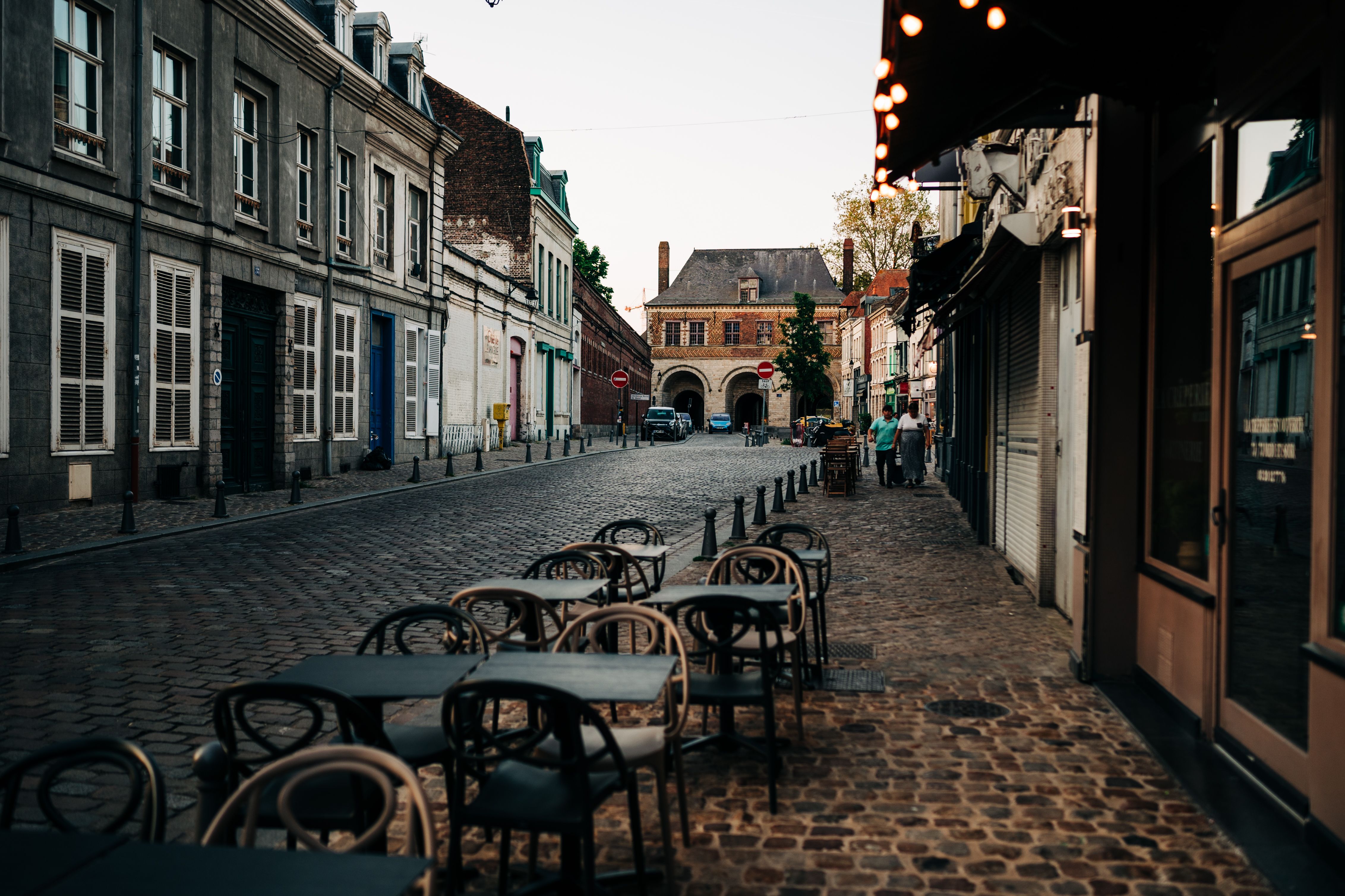
The aim is to steer travellers towards rural, mountainous, island, remote and outermost regions. Less-visited cities are on the list, too.
The European Commission was invited to draft guidelines on the issue. It would also publish figures on the EU Tourism Platform and the EU Tourism Dashboard so destinations can compare notes.
Tourism powers economy
The numbers explain the urgency. In 2024, tourism made up around 7% of EU gross value added and 10% of jobs, supporting 4.6 million businesses.
Of those firms, 99% are small or medium-sized enterprises. In some regions, the sector forms a structural pillar of the local economy.
Background figures indicated that the sector accounted for roughly 10% of gross value added and about 23 million jobs in 2019. That pre-pandemic snapshot uses a different reference year, so it sat alongside the 2024 data rather than clashing with it.
Cyprus’ Deputy Minister of Tourism framed the stakes plainly. “Tourism is a key driver of growth, employment, and cultural exchange across the EU,” said Kostas Koumi.
“Today’s conclusions set a clear path for … the long-term resilience and competitiveness of the sector in a rapidly changing world,” he added.

Greener trips top agenda
Sustainability ran through the whole text. Goals covered resource efficiency, circularity, decarbonisation, water and climate resilience, and the protection of nature and biodiversity.
Member states were urged to back low-carbon, circular business models. They were also asked to promote schemes such as the EU Ecolabel and EMAS among tourism providers.
The Commission picked up its own list of jobs. It was asked to fund research and forecast tourism-related climate risks through the Copernicus Climate Change Service.
It would also keep a register of sustainability certifications recognised at EU or national level. The idea was to cut through the patchwork of competing eco-labels.
Better links, smoother journeys
Getting around matters as much as where people stay. The plan called reliable, affordable, year-round air, land and sea links a key enabler of balanced tourism.
Islands, outermost and remote regions that depend on air travel get a special mention. For many of them, accessibility and the local economy rise or fall with flight connections.
The text pointed to the Commission’s communication on high-speed rail. It also asked for multimodal options, integrated ticketing and proper access for passengers with reduced mobility.

Data, skills get push
The conclusions leaned heavily on technology and people. Ministers wanted a European framework for tourism data and faster work on the common European Tourism Data Space.
They call for guidance on artificial intelligence, in line with the Apply AI Strategy. An industry-led effort on responsible AI use is encouraged rather than imposed from above.
Jobs featured strongly too. The text treated quality employment, fair working conditions and training as essential to the sector’s future.
That work would draw on the EU Pact for Skills, reskilling and upskilling programmes, and the EURES network. The aim was to plug seasonal labour gaps and make tourism careers more appealing.
Brussels braces for shocks
The Council wanted the sector ready for trouble before it hits. It called for stronger crisis preparedness, early-warning systems and clear crisis communication.
The text listed the pressures bearing down on tourism. They ran from geopolitical tensions and climate change to scarce resources, rapid technological change and worker shortages.
Coordination was the watchword. The plan stressed joined-up work across the Commission, member states, regional and local authorities, destination management organisations and industry.
Promotion got a look-in through the “Destination Europe” branding framework. The pitch was to sell Europe as a safe, sustainable and inclusive place to visit.
Guidance now awaits action
The conclusions responded to gaps flagged in the Commission’s December 2025 report on the Agenda for Tourism 2030. That report found progress had been uneven across member states and its five priority areas.
The Commission was asked to report on implementation every three years. It was also invited to fold the conclusions into the upcoming EU Sustainable Tourism Strategy.
For now, the text is direction-setting guidance, not binding law. It mapped out where the EU wants its tourism sector to head over the coming years, leaving the harder work of delivery to come.