

Europe’s new EU border management system turned away 8,180 travellers in its first two and a half months of operation.
The figures come from the first quarterly report on the Entry/Exit System (EES), published by the EU agency eu-LISA on 18 May 2026.
The report covers 12 October to 31 December 2025. It is the first in a series of regular updates required under the EES Regulation.
Alongside the refusals, the system logged 283 revoked authorisations for stay and 479 extended ones. A further 492,345 travellers were exempt from giving fingerprints during the period.
Numbers tell early story
The EES is a fully digital system that records when non-EU nationals enter and leave the Schengen area on short stays. It replaces the old practice of stamping passports by hand.
eu-LISA, the agency that runs the European Union’s large-scale IT systems, manages the database. The report is its first statistical snapshot of how the system has performed.
Why numbers are partial
The headline totals come with a heavy caveat. They only cover the progressive roll-out, when the system was still being switched on country by country.
The EES went live on 12 October 2025. Member states could introduce it gradually until 9 April 2026 under a separate EU regulation.
That means that only border crossing points already using the system fed data into the report. The true picture is much bigger than the numbers suggest.
Some categories are missing entirely. The report includes no data on overstayers or how long people stayed, because the automated calculator could not yet produce reliable figures.
There is also no breakdown by individual border crossing point. Member states were allowed to run the system without biometric tools for the first 60 days, so the fingerprint-exemption count is expected to climb after full roll-out.
The system became fully operational across the Schengen area on 10 April 2026.

Refusals reveal clear paths
Ukraine topped the list of refused nationalities by a wide margin, with 2,455 cases. Albania followed with 968 and Moldova with 606.
Serbia, Türkiye and Georgia came next, recording 406, 359 and 301 respectively. Bosnia and Herzegovina, Kosovo, Brazil and the Russian Federation rounded out the top ten.
Most refusals fell on younger travellers. The 20 to 30 age group accounted for 2,465 cases, the highest of any band.
Men were turned away more often than women across every age group. The pattern held from the youngest travellers to those over 60.
The reasons behind the refusals were concentrated. “Purpose and conditions of stay not justified” was the top ground, with 2,576 cases or 31.49% of the total.
A lack of a valid visa or residence permit came second, at 2,052 cases or 25.09%. Together the two reasons covered more than half of all refusals.
Stays revoked, extended
The system also tracked changes to authorised stays. Belarus led the revocations with 43, ahead of Türkiye on 36 and Moldova on 35.
The Russian Federation and Uzbekistan followed with 29 and 17. Most revocations hit the 31 to 40 age group, which recorded 76 cases.
Extensions told a slightly different story. Ukraine again led, this time with 74, followed by Serbia on 53 and the United Kingdom on 30.
Bosnia and Herzegovina and Moldova completed the top five. The 20 to 30 age group saw the most extensions, with 141.
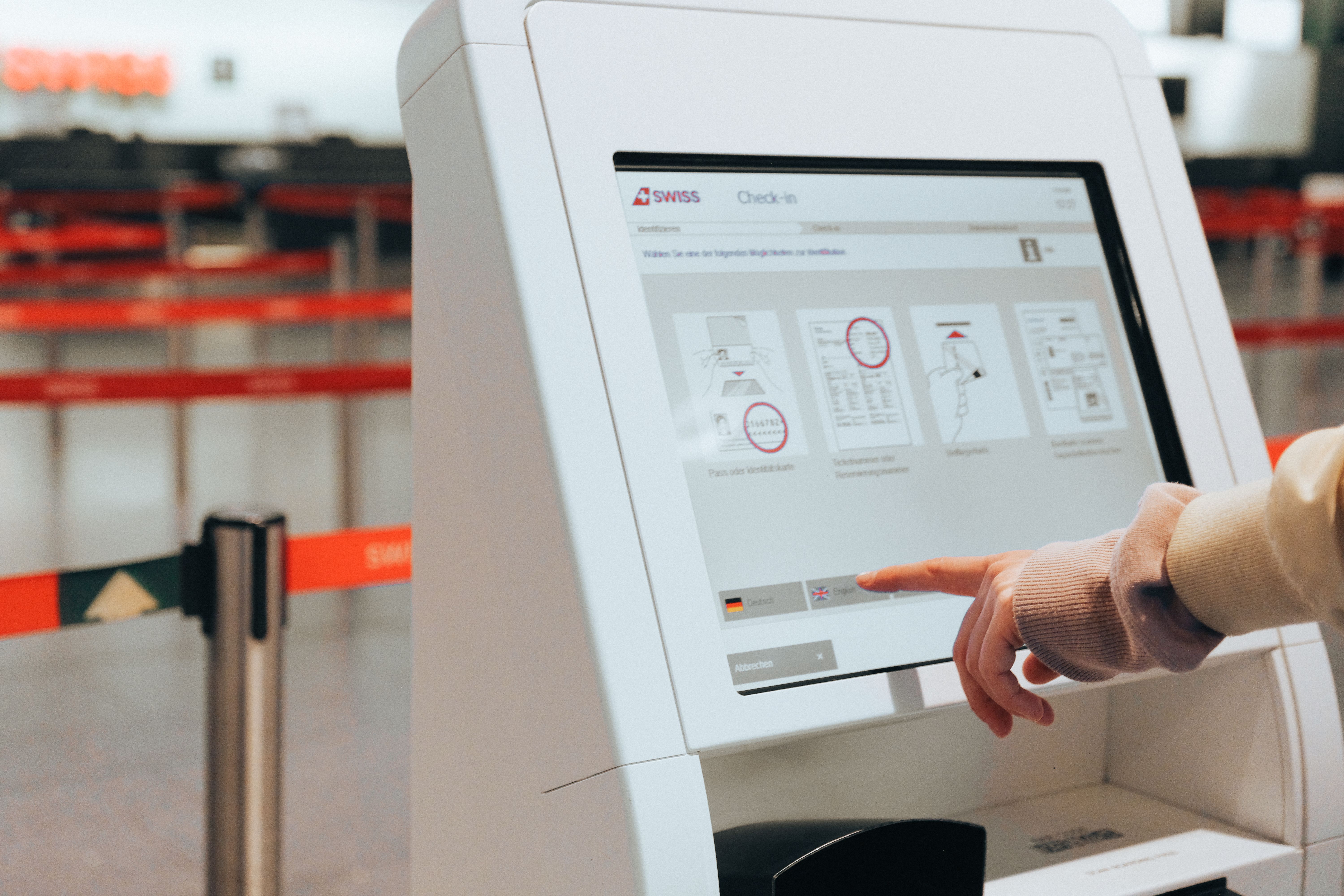
Coverage spans most of Europe
The EES operates in 29 European countries. The list runs from Austria and Belgium through to Sweden and Switzerland, taking in most of the Schengen area.
Cyprus and Ireland are the exceptions. Both will keep stamping passports by hand.
The system applies to non-EU nationals on short stays of up to 90 days within any 180-day period. It covers both visa holders and visa-free travellers, though some categories are exempt.
It collects a range of data at the border. That includes travel-document details such as full name, date of birth and nationality, the date and place of each entry and exit, biometric data like facial images and fingerprints, and any record of refused entry.
The EU presents the EES as a way to modernise checks and cut waiting times. It is also meant to strengthen security, flag people who do not meet entry conditions or overstay, and let biometric-passport holders use automated gates.
Second system looms
The EES is not the only change coming to Europe’s borders. A related scheme, the European Travel Information and Authorisation System (ETIAS), is due to start in the last quarter of 2026.
ETIAS will require travel authorisation from around 1.4 billion people across 59 visa-exempt countries and territories. It applies to anyone entering 30 European countries for a short stay.
The authorisation links to a traveller’s passport. It stays valid for up to three years or until the passport expires, whichever comes first.
It costs EUR 20, though some travellers will not have to pay. Most applications will be processed within minutes.

Bigger picture ahead
The numbers offer a first glimpse rather than a full account. With the system only partly switched on during the reporting period, the totals capture a fraction of border activity across the Schengen area.
Future reports will tell a fuller story. Now that the EES is fully operational, the next quarterly figures will include overstayers, duration of stay and a breakdown by crossing point, giving a clearer view of how Europe’s digital borders are working.