
EU-UK youth mobility deal opens three-year stays to 100,000 each
Nov 26, 2026
Category: Brexit News Policy UK Youth Mobility
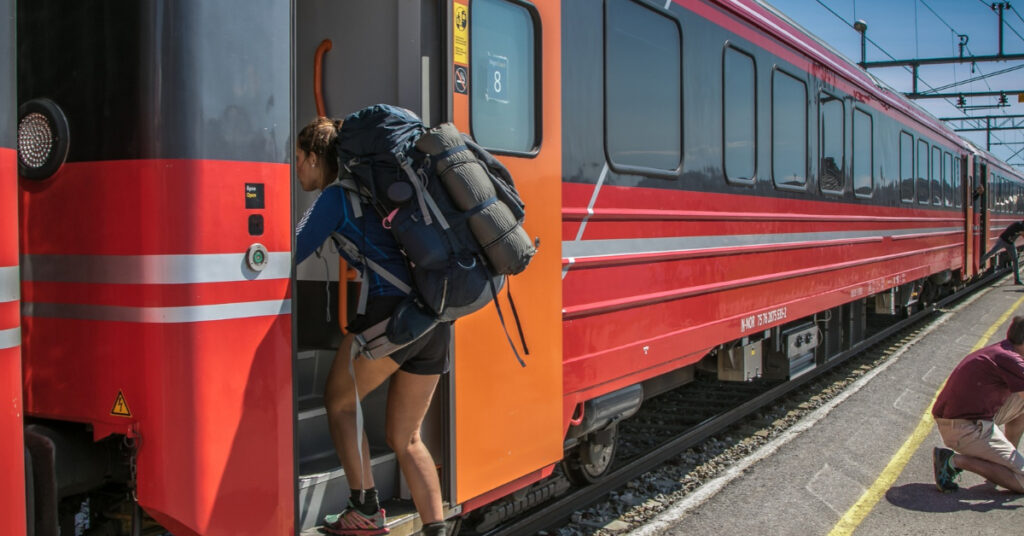
Up to 100,000 young people from the European Union (EU), and the same number from the United Kingdom (UK), can live in each other’s territory for up to three years under a new Youth Experience Scheme (YES).
Leaders concluded negotiations on the scheme at the second EU-UK summit, held in Brussels on 20 November 2026.
The EU-UK youth mobility deal covers work, study, au-pairing, volunteering, or “simply travelling”, according to the summit’s joint statement. The scheme is open to people under 30 and lets them stay without meeting existing visa requirements.
The scheme will not open straight away. Both sides aim to apply the agreement “no later than 2028” and to make opportunities available to young people “no later than January 2030”.
Message to the under-30s
UK Prime Minister Andy Burnham called the package a “landmark agreement”.
“This is a good day for Britain. This is a good day for Europe,” he declared.
Burnham spoke to young people directly. “This deal is for you. This deal really is about lifting your life chances,” he said, adding that “Brexit took opportunities from young people”.
European Commission President Ursula von der Leyen described the agreement as a “turning point” in relations. She predicted the youth scheme would “open horizons and create friendships that will last a lifetime”.
Sold as a set
The youth scheme comes packaged with two trade agreements. Leaders said they look forward to concluding the Sanitary and Phytosanitary (SPS) and Emissions Trading Systems (ETS) agreements “together with the Youth Experience Scheme” and to their “joint and timely entry into force”.
The SPS deal would remove the current certificates and controls from most movements of animals, plants, and their products between Great Britain, the Crown Dependencies, and the EU. In return, Britain will follow EU food safety and animal health rules more closely, DW reports.
The same benefits would extend to movements between Great Britain and Northern Ireland through the Windsor Framework. The target start date is 1 March 2028.
The ETS deal links the two carbon markets, with mutual recognition of allowances and exemptions from each side’s Carbon Border Adjustment Mechanism from 2028. According to AFP, London estimates the deals could add £3.8 billion a year to the British economy and spare £6.5 billion of steel, aluminium, and other industrial exports from additional taxation.
Von der Leyen called the trade agreement a “two way street” that means “more choice for the customers”.

Resort jobs back on menu
The travel industry responded the same day. Mark Tanzer, Chief Executive of ABTA – The Travel Association, welcomed the youth experience agreement and urged both sides to implement it quickly.
ABTA expects the scheme to open a route back to tourism jobs in Europe. Before Brexit, those roles often served as a first step into the UK travel industry, and many senior travel executives began their careers overseas.
ABTA believes the scheme should boost the industry and benefit customers who value UK staff in resorts. Tanzer cautioned that “there is still much detail to work through” and warned of “various complexities” for travel businesses.
The association says it has campaigned for this route since the UK left the EU, working with SBiT and UKinbound. It expects more lobbying at both the UK and destination levels.
Fees left hanging
Students face a separate hurdle. No deal was reached on tuition fees, which DW describes as a “dealbreaker” for the EU.
The EU has pressed the UK to charge EU students the same fees as British students. The joint statement commits both sides to a new agreement covering EU students in the UK and UK students in the EU, regardless of their immigration route.
Negotiators have six months from 20 November 2026 to conclude it. Burnham promised “further discussions”, while von der Leyen said work would happen “in the next month” and expressed confidence in a solution.
Classrooms do get one firm date. The UK takes part in Erasmus+ in 2027, and the programme’s funding call opened on 18 November 2026.
“We miss them so much,” von der Leyen remarked.

Professionals in waiting room
Other mobility talks are moving more slowly. Both sides noted significant progress on mutual recognition of architects’ professional qualifications and agreed to explore similar arrangements for other professions.
Talks also continue on business travel, including the sponsorship scheme and short-term business visitors. ABTA welcomed these commitments, saying they could help some industry professionals, possibly including engineers and other specialist roles.
Touring artists received a pledge that both sides would explore further solutions. A High Level Meeting on Culture, held for the first time this year, will now take place annually.
Borders under closer watch
Leaders also agreed to step up cooperation on irregular migration. A new Structured Dialogue on migration will cover the European Commission’s Channel Action Plan, adopted on 16 June 2026, as well as returns to third countries, pull factors, and legal pathways.
Under the plan, both sides commit to action that includes “preventing the misuse of legal migration channels”. They will also explore more reciprocal information exchange for law enforcement and border management to tackle irregular migration.
The UK joins the European Migration Network as an observer. It also continues working with Frontex on risk analysis, training, and document fraud.

Brainstorm on horizon
Burnham framed the package as a ceiling for now. “What we are announcing today is probably the limit of what we can achieve in this Parliament, given what needs to be done to implement it,” he said.
He announced an informal brainstorming process on future relationship options before the next summit, “perhaps around this time next year”. Burnham, who has raised the prospect of rejoining the EU, noted that the world had changed since Brexit, particularly since the Covid pandemic and the war in Ukraine.
On 16 November 2026, he called it the “obvious truth” that Britain had lost more than it had gained from Brexit. In September 2026, YouGov’s tracker recorded a record 60% saying Britain was wrong to leave.
European Council President António Costa said the EU would respect whatever the UK decides about the long-term relationship. He added that the EU’s principles, including the indivisibility of the Single Market’s four freedoms, “remain unchanged”.
“And we may drive on opposite sides of the road,” Costa quipped. “But the most important thing is that we are heading in the same direction.”
Long runway to 2030
The youth scheme is tied to the food and carbon deals, so young people’s new rights could move only as fast as those agreements clear each side’s legal processes. The six-month tuition-fee deadline comes first, followed by the SPS and ETS start dates in 2028.
For under-30s and the resort jobs ABTA wants back, January 2030 remains the date that counts. Burnham calls this package the limit for the current Parliament, and Costa says the EU’s principles are unchanged, so any wider shift would come through the brainstorming process planned before the next summit.