
The Complete Pre-Travel Checklist for Brits Heading to Europe
Jul 24, 2026
Category: European Travel Resources
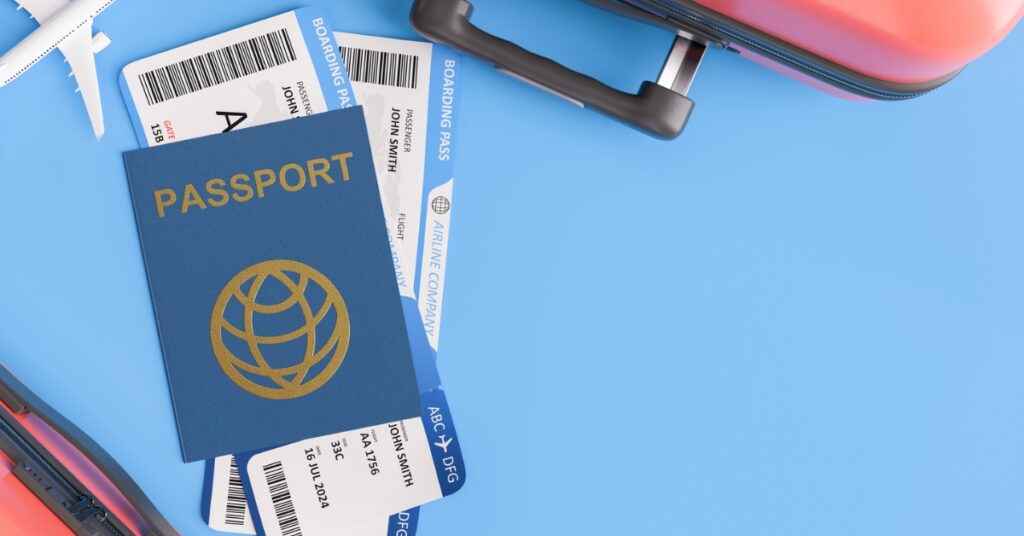
Gone are the days when a UK trip to Europe meant little more than a passport and boarding pass. Post-Brexit travel now involves extra admin, with 2026 bringing new border requirements.
If you’re travelling to the Schengen area on a UK passport for a short stay, this checklist covers every essential step in one logical order, so nothing gets missed — from passport rules and insurance right through to a practical Europe packing list for departure day.
Start with the biggest tasks, then move on to insurance, health, money and departure-day essentials. Sort the key requirements early, and everything else becomes much easier.
One final warning: some steps take weeks to complete, so use this guide well before you travel, not the night before your flight.
1. Check Your Passport Meets the Latest EU Entry Rules
Your passport must meet two separate requirements to enter the Schengen area. Passing one does not guarantee you pass the other, and failing either can mean being refused entry.
Two passport rules you need to know
The first rule checks when your passport was issued. It must be less than 10 years old on the day you enter.
The second checks how long it remains valid. It must be valid for at least three months after you leave the Schengen area.
Both rules apply together. For example, a passport issued nine years and eight months ago with seven months’ validity left passes the validity check but fails the 10-year rule, so entry would be refused.
Renewal lead times and when to act
Renewing a UK passport online usually takes around three weeks, but longer delays are possible during busy periods. Renew before booking your trip to avoid losing money on non-refundable travel if processing takes longer than expected.
A new passport also resets any border registrations linked to your old passport number.
Children’s and family passports
Children’s passports are valid for five years, so they need to be renewed more often than adult passports.
Before travelling, check every passport in your group against both rules. One invalid passport can delay the whole family at the border.
2. Get to Grips With the 90/180-Day Rule
As a UK passport holder, you can stay in the Schengen area for up to 90 days in any rolling 180-day period without a visa. The limit applies across the entire Schengen area, not to each country separately.
How the rule works
Every day you spend in a Schengen country counts towards the same 90-day allowance. Time spent in France, Spain and Italy, for example, is added together.
The 180-day period is rolling. On any given day, you look back over the previous 180 days and total your time in the Schengen area. If you reach 90 days, you must leave until enough days fall outside that window.
Keep track of your stay
The European Commission’s free online calculator helps you work out how many days you have left by using your past and planned travel dates.
It’s particularly useful if you:
- take several European trips each year
- own a second home in Europe
- spend extended periods abroad while working remotely
If you travel frequently, keep a record of every entry and exit date to avoid exceeding the limit.
What if you overstay?
Overstaying can affect future travel. Border authorities record your movements, and exceeding the limit may result in refusal of entry or, in more serious cases, a temporary ban from the Schengen area.
Plan your trips with a small buffer to avoid reaching the 90-day limit.

3. Know What to Expect at the Border: EES and ETIAS
Two systems affect UK travellers entering the Schengen area: the EES, which is already in use, and ETIAS, a travel authorisation that has yet to launch.
The Entry/Exit System (EES)
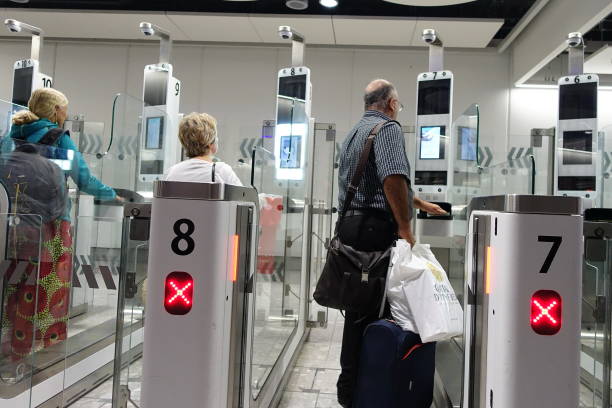
The EES replaced passport stamps for non-EU travellers. Instead, your entries and exits are recorded digitally whenever you cross an external Schengen border.
You register at the border on your first trip, so there’s nothing to apply for in advance. Border officials record your passport details, facial image and, in most cases, fingerprints.
The EES records:
- your name, date of birth and nationality
- your facial image and fingerprints
- the date and place of each entry and exit
- any refused entry
Your first registration may take longer, especially at busy airports. Future crossings should be quicker as automated border gates become more common.
The European Travel Information and Authorisation System (ETIAS)
ETIAS is a separate requirement for visa-exempt travellers. It will cost €20, remain valid for up to three years or until your passport expires, and allow multiple short visits during that period.
As of July 2026, ETIAS is not operating. The EU said that it will announce a launch date several months in advance. Until then, no applications are being accepted, and any website claiming otherwise should be treated as a scam.
When ETIAS launches, apply before booking your trip. Most applications are expected to be approved within minutes, though some may take several days.
Travel with the correct passport
Both EES and ETIAS are linked to the passport you use to travel. If you arrive with a different passport, you may be refused boarding or entry.
Check that your passport details match all bookings and travel records, and always travel with the passport linked to your registration.
4. Arrange Comprehensive Travel Insurance
Buy travel insurance as soon as you book your trip, not just before you leave. It covers medical emergencies, cancellations and lost baggage from the moment your policy begins.
Why you need travel insurance
Meeting Europe’s entry requirements does not cover the cost of medical treatment or travel disruptions. A hospital stay, an emergency flight home or a cancelled trip can cost far more than the price of a policy.
What your policy should cover
Compare policies carefully, as the cheapest option may not offer the cover you need.
Look for:
| Cover | What it includes |
| Emergency medical | Treatment and hospital care abroad |
| Repatriation | Medically arranged return to the UK |
| Cancellation | Refunds for cancelled or cut-short trips |
| Baggage | Lost, stolen or delayed luggage, including anything valuable in your carry-on |
If you plan to do more than sightseeing, check that your activities are covered. Many standard policies exclude higher-risk sports unless you pay extra.
Declare pre-existing medical conditions
Tell your insurer about any pre-existing medical conditions when you take out the policy. Failing to do so could invalidate your claim.
Although declaring a condition may increase the premium, it ensures you have cover when you need it.
5. Apply for or Renew Your GHIC
The Global Health Insurance Card (GHIC) gives you access to state healthcare in Europe at the same cost as local residents, sometimes free. Apply or renew it through the official NHS website at no cost.
What the GHIC covers
The GHIC covers medically necessary treatment in the state healthcare system, including emergency and ongoing care. You pay the same charges as residents, which may be free or low-cost.
It does not cover private healthcare, medical repatriation or other travel costs. That’s why it should not replace travel insurance.
GHIC and travel insurance
The GHIC and travel insurance cover different things and work best together.
| Situation | GHIC | Travel insurance |
| State hospital treatment | Yes | Often covers extra costs |
| Private medical treatment | No | Yes |
| Medical repatriation | No | Yes |
| Trip cancellation or curtailment | No | Yes |
| Lost baggage | No | Yes |
The GHIC helps with state healthcare, while insurance covers the wider financial risks of travelling.
Apply through the NHS
Apply only through the official NHS website, where the GHIC is free. Avoid unofficial websites that charge unnecessary fees.
Apply well before you travel, as the card is posted to you. If yours has expired or is due to expire, renew it before your trip.
6. Sort Medication, Vaccinations and Health Prep
Arrange your medication, vaccinations and health checks well before you travel. Some prescriptions, vaccines and paperwork take time and cannot be left until the last minute.
Travelling with prescription medicine
Keep medicines in their original, labelled packaging and pack enough for your trip, plus a few extra days. Carry a copy of your prescription or a GP’s letter where possible.
Prescription medicine belongs in your hand luggage rather than your hold bag, alongside your liquid toiletries in their security-approved containers.
Some medicines that are legal in the UK are restricted abroad. Check your destination’s rules before you travel, especially if you take controlled drugs.
Vaccinations and health advice
Check your destination’s health guidance early, as some vaccines require several weeks to become effective.
Before you travel, confirm:
- whether any vaccines are recommended or required
- when they should be given
- that your routine UK vaccinations are up to date
- any destination-specific health risks
Book a GP or travel clinic appointment early if you need vaccinations or medical advice.
Accessing healthcare abroad
Before you leave, find your nearest pharmacy and learn the local emergency number. Across most of Europe, it is 112.
Keep both digital and paper copies of:
- your prescription or GP’s letter
- details of any medical conditions and medicines
- your travel insurance and GHIC details
Local pharmacists can often treat minor illnesses, helping you avoid an unnecessary visit to a doctor.

7. Prepare for Driving in Europe
Driving in Europe means following different rules in each country. Check your licence, documents and required equipment before you travel to avoid fines.
Licence and documents
A full UK photocard driver’s licence is valid for driving in most European countries. Some still require an International Driving Permit, so check the rules for every country on your route.
Carry:
- your full UK driving licence
- your V5C log book if using your own car
- your insurance details
- an International Driving Permit, if required
If you’re hiring a car, bring your licence and confirm the rental company’s requirements before collection.
Vehicle requirements
Your vehicle must display a UK identifier, either on the number plate or as a UK sticker. GB stickers are no longer valid.
Check that your insurance covers driving in Europe, as some policies only provide basic third-party cover abroad.
Country-specific rules
Many countries require drivers to carry safety equipment, and the requirements vary.
| Country | Required equipment |
| France | Warning triangle, high-visibility vest |
| Spain | Warning triangle, high-visibility vest, spare tyre or repair kit |
| Germany | Warning triangle, high-visibility vest, first-aid kit |
| Italy | Warning triangle, high-visibility vest |
Also check whether your route passes through low-emission zones, as some cities require vehicles to register, pay a fee or meet emissions standards before entry.
8. Organise Money, Cards and Mobile Roaming
Sort your cards, cash and mobile plan before you travel to avoid unnecessary fees and unexpected charges.
Cards and cash
Check whether your debit and credit cards charge foreign transaction fees. If they do, consider using a travel card or fee-free account.
Carry a backup payment method and some local currency for small purchases or places that do not accept cards. A slim money belt worn under your clothing is a sensible place for a spare card and emergency cash, particularly on longer trips or overnight trains.
Getting cash abroad
Bank ATMs usually offer better rates than airport bureaux de change or the independent machines clustered around tourist sites, which often charge high fees.
Two habits will save you money at European ATMs:
- always decline the machine’s offer to convert the amount into pounds
- withdraw larger sums less often, rather than making repeated small withdrawals
If you’re asked to pay in pounds or the local currency, either at a card terminal or a cash machine, always choose the local currency. It usually offers a better exchange rate.
Mobile roaming
Free EU roaming is no longer guaranteed for UK travellers. Check your provider’s roaming policy before you leave to avoid unexpected charges.
Your options include:
- using your existing roaming allowance
- buying a roaming add-on or day pass
- using a local or travel eSIM
A travel eSIM is the simplest route if your handset supports one, since there’s no physical sim card to swap and lose. Arranging this before you travel means you’ll have data as soon as you arrive.
Final money checks
Some banks recommend notifying them before you travel to reduce the risk of your card being blocked. Check your bank’s guidance through its app or website.
If you need a travel or multi-currency account, set it up before you leave.
| Option | Best for | Things to consider |
| Everyday debit card | Backup spending and cash withdrawals | May charge foreign transaction fees |
| Travel or multi-currency account | Everyday spending abroad | Set it up before you travel |
| Local cash | Small purchases and tips | Withdraw only what you need |
If you need foreign currency, order it before you travel. Airport exchange rates are often less favourable.

9. Pack Smart for Your Destination and Season
Build your Europe packing list around your destination, the weather and your planned activities rather than relying on a generic list. Keep essential items in your carry-on in case your checked bag is delayed.
Pack for the weather
Check the forecast before you travel, as conditions vary widely across Europe.
Pack according to your destination:
- hot climates: linen shirts, cotton t-shirts, sandals, sunscreen and a hat
- cold or mountain areas: warm layers, wool socks, gloves, a waterproof shell and sturdy shoes
- spring or autumn: light cardigans you can layer, plus a packable rain jacket
- city breaks: comfortable walking shoes and a compact umbrella
A windbreaker is worth the space almost anywhere on the continent, as coastal cities and Alpine valleys can turn cold and blustery within an hour. In wetter months, a proper rain jacket with taped seams will serve you better than an umbrella alone.
Choose clothes that mix and match
Pick a small palette of neutral colours so most items work together. A week’s worth of blouses, t-shirts, skirts and trousers in matching tones will produce more outfits than double the volume of unrelated pieces.
Alongside those, pack:
- enough underwear, bras and socks for the trip
- one or two cardigans for layering
- pajamas and a pair of flip-flops for hostels, pools and beaches
- one smarter outfit for restaurants or evenings out
Packing cubes help enormously here. Grouping items by type keeps a suitcase in order all trip and makes a carry-on far easier to repack in a hurry.
Check the local dress code
Europe is relaxed, but a stricter dress code applies at many religious sites. Major churches and cathedrals, including St Peter’s Basilica and the Sagrada Família, ask visitors to cover their shoulders and knees.
A light scarf and a pair of trousers or longer skirts solve this in seconds. Sandals are usually fine, but beachwear and vest tops may see you turned away at the door.
Toiletries and liquids
Keep your toiletries simple and buy bulky items on arrival, since supermarkets and pharmacies across Europe stock all the familiar brands.
Pack the basics you’ll want on your first night:
- toothbrush and a travel-sized toothpaste
- deodorant
- shampoo and conditioner in refillable bottles, or solid bars to save on liquid allowance
- sunscreen, even in spring and autumn
Keep essentials in your hand luggage
Carry anything you’ll need during the journey or immediately after arrival, including:
- your passport and travel documents
- prescription medication
- your phone, charger and power bank
- sunglasses, earbuds and sun cream
- a spare change of clothes
These essentials will keep you going if your checked luggage is delayed.
Check airline baggage rules
Review your airline’s baggage allowance before packing, as size and weight limits vary.
Also check hand luggage restrictions. Many airports still limit liquids to containers of 100ml or less, so pack accordingly to avoid delays at security.
10. Final Documents and Departure-Day Checks
Check your documents and bookings a few days before you travel, then once more before leaving for the airport. Keep backups of important documents and allow extra time for your journey.
Keep copies of key documents
Save digital and paper copies of:
- your passport photo page
- your travel insurance policy and emergency number
- your GHIC
- flight, accommodation and transfer confirmations
- emergency contacts and details of the nearest British consulate
Store digital copies where you can access them offline, such as screenshots or downloaded files.
Confirm your bookings
Check your flight details a day or two before departure, as schedules and gates can change.
Also confirm your accommodation and onward transport, making sure dates, addresses and pick-up times are correct. Checking early gives you time to fix any problems before you travel.
Before you leave
Before setting off for the airport, make sure you have your passport, travel documents, packed bags and a fully charged phone.
Allow extra time for border checks, as the EES may increase processing times at some crossings.

Sort Your Checklist Early and Travel With Confidence
The tasks most likely to delay your trip are the ones that take the longest. Check your passport and entry requirements first, then work through the rest of the list well before you travel.
Save this checklist for future trips. Once you’ve done it once, preparing for Europe becomes quicker, easier and far less stressful.