
EES chaos might push ETIAS into 2027
Jul 13, 2026
Category: Border and Security ETIAS EU News
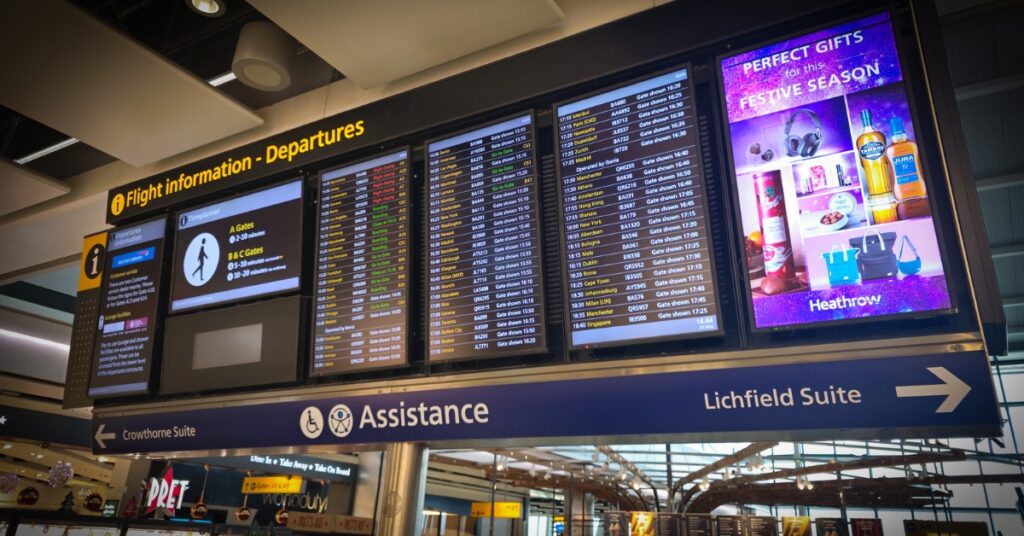
Europe’s new entry permit for visa-exempt visitors could be delayed until 2027.
The European Travel Information and Authorisation System (ETIAS) was due to launch in late 2026, but reporting by the Financial Times suggested that the timetable is slipping.
The delay has not been confirmed. The ETIAS website still lists a late-2026 launch, and the official timetable remains unchanged.
Deadline slips out of reach
eu-LISA, the agency developing ETIAS, has reportedly concluded that a 2026 launch is no longer feasible, according to three people briefed on the matter.
Those close to the talks were blunt. One described this year’s launch as “illusory.”
Others were more optimistic. One EU official suggested that any delay would likely be brief, with the agency requesting only an extra month or quarter if needed.
The European Commission will make the final decision. It can set a launch date only after eu-LISA successfully completes system testing.
Border system drags permit down
The delay stems from the Entry/Exit System (EES), which ETIAS is meant to follow. Disruptions to the EES rollout have also delayed ETIAS.
One person briefed on the discussions cited “still some IT issues” with ETIAS. They argued that EES should be fixed before introducing another system that could double border queues.
EES has a history of delays. Originally due in 2022, it was repeatedly postponed due to procurement problems, technical faults, and a slow rollout across member states.
Brussels keeps options open
The eu-LISA management board met on 17 June to discuss the launch of ETIAS. A spokesperson confirmed the meeting but said that there had been no further developments.
The board is expected to meet again in September to consider a revised timetable, the next key milestone.
The Commission remained cautious. A spokesperson said that preparations were ongoing and that many factors affect the launch of a major IT system.
Home affairs commissioner Magnus Brunner told aviation executives that national governments shared responsibility for the delays, citing insufficient staffing, inadequate infrastructure and EES-related issues.
Queues test new checks
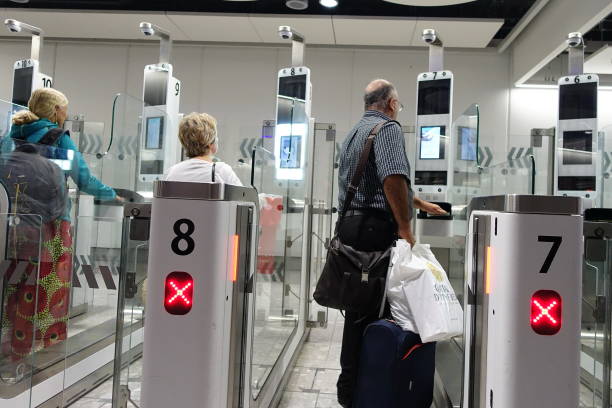
EES became fully operational across the Schengen area in April 2026, replacing passport stamps for most non-EU travellers with digital entry and exit records, plus biometric data such as fingerprints and facial images.
The system was designed to strengthen border security, detect overstayers and streamline border management.
Airlines and airports, however, reported longer queues, slower processing and greater pressure on staff and infrastructure, with complaints mounting ahead of summer.
On 1 July, ACI EUROPE, Airlines for Europe (A4E) and the International Air Transport Association urged Commission President Ursula von der Leyen to act, warning the rollout had reached a “critical point.”
The EU rejected calls to suspend EES. Officials acknowledged around 20 “difficult spots” with long queues but insisted a suspension was neither necessary nor possible.
Even so, they admitted that EES was “not perfect.”

Permit rules waiting in the wings
When it launches, ETIAS will apply to visa-exempt travellers, including UK, US, Canadian and Australian passport holders, visiting 30 European countries for short stays.
The scheme covers every EU country except Ireland, plus Iceland, Norway, Liechtenstein and Switzerland.
Applicants must complete an online form, provide passport details and personal information, answer security questions, and undergo pre-travel checks. Most applications are expected to be approved within minutes.
The permit will be linked to the traveller’s passport and remain valid for three years, or until the passport expires, whichever comes first.
The fee is €20. Children under 18, adults over 70 and some family members of EU citizens are expected to be exempt.
ETIAS is modelled on the US ESTA scheme, which has operated since 2008.
A transitional period of at least six months is planned. Travellers should apply during this time, but those without a permit will not be refused entry if they meet all other requirements.
Travellers told to sit tight
For now, travellers do not need to take any action. EU guidance said that the system has not yet launched.
Officials also warned against using unofficial third-party websites while ETIAS remains unavailable.
Current entry rules remain in force, so anyone travelling to a Schengen country can continue to do so under the existing requirements.