
EES border flexibilities end today; airlines warn of delays
Sep 7, 2026
Category: Border and Security EES EU News
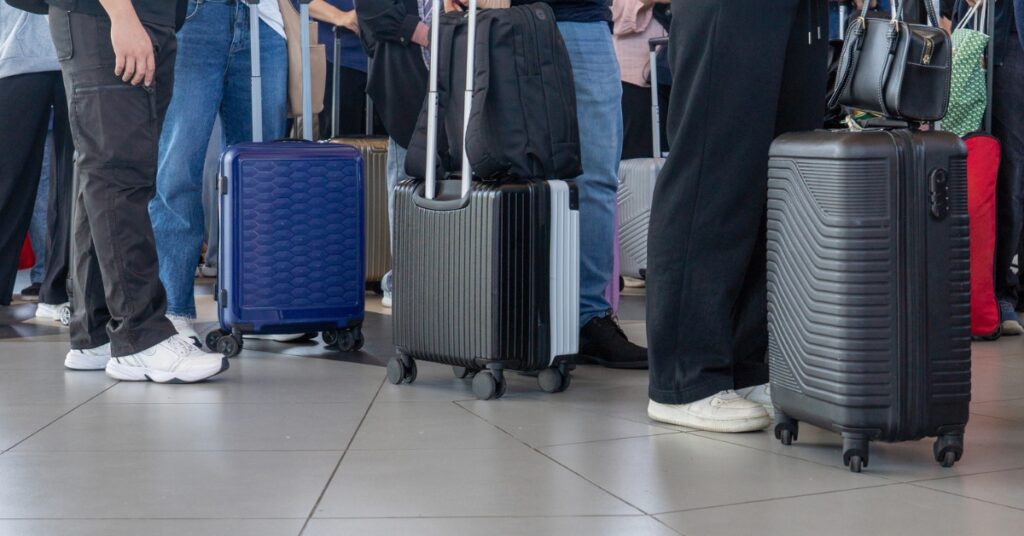
The EES flexibility measures that allow European countries to pause biometric checks during busy periods expire today, removing a key tool for managing summer queues.
Airlines and travel firms want the measures extended, while the European Commission said that the system has worked well overall, although some member states still need to make adjustments.
Safety valve shuts
Over the summer, member states could temporarily suspend fingerprint and facial scans at individual crossings when passenger volumes led to excessive wait times.
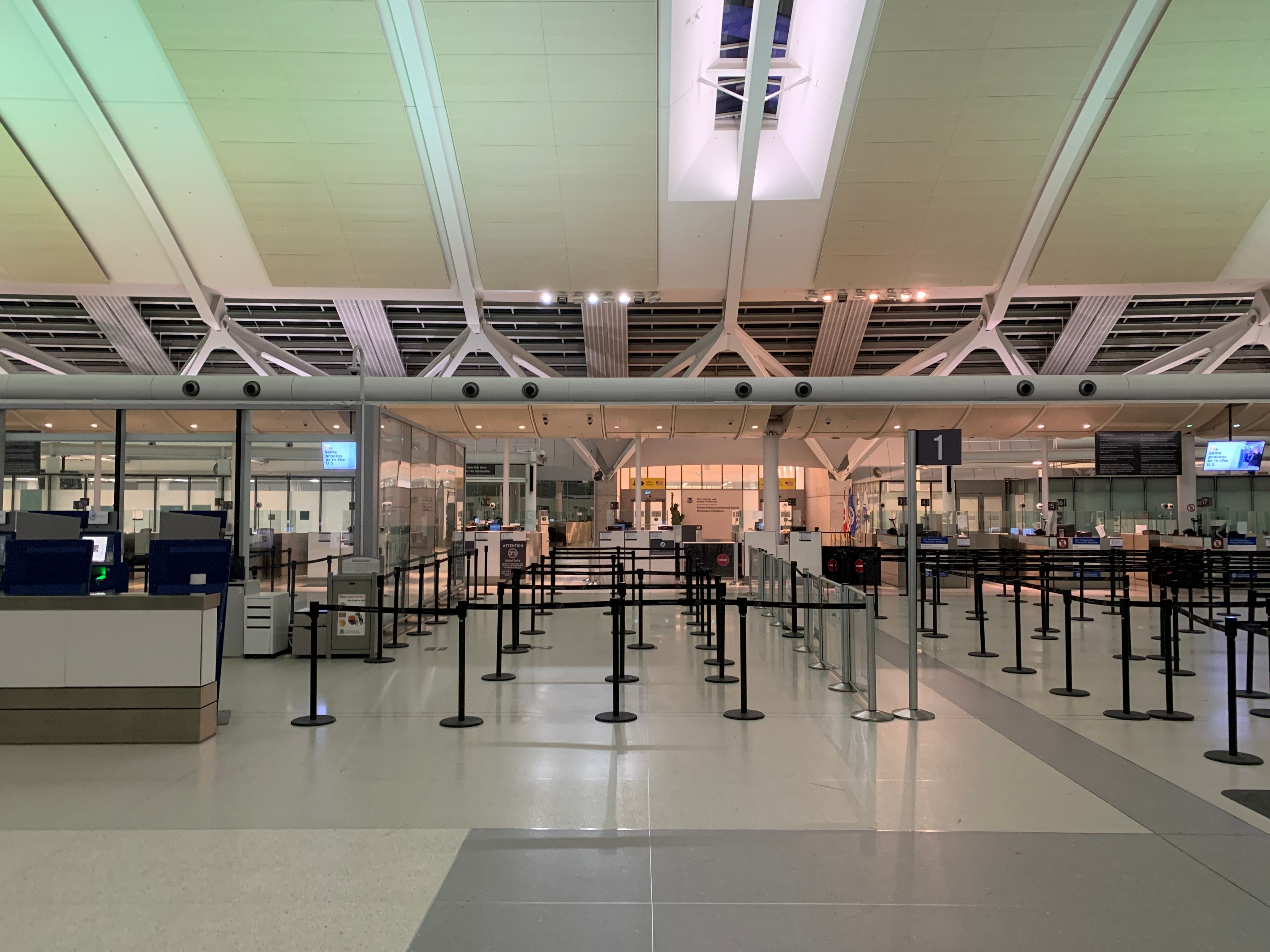
That permission ends today. Border authorities must continue registering non-EU travellers even when passport-control halls become congested.
Clocks slow at gates
The travel industry remains concerned about processing times. According to the International Air Transport Association (IATA), passport checks that previously took around 20 to 25 seconds now take about 90 seconds under the Entry/Exit System (EES).
A Financial Times and Qsensor study found that average wait times at Frankfurt reached 120 minutes in July 2026, up from 60 minutes a year earlier. Munich rose from 31 to 60 minutes, while Amsterdam’s maximum wait increased from 80 to 120 minutes.
Trade bodies push back
Industry groups are pressing for an extension beyond September.
“We continue to push the European Commission to allow these measures to be used beyond September, recognising that there is still some way to go until EES is fully and consistently operational across all participating countries,” said Luke Petherbridge, Director of Public Affairs at UK travel association ABTA.
IATA agreed. “Extending the possibility of partial suspension beyond 6 September is absolutely necessary until the end of the winter season,” Thomas Reynaert, Senior Vice President, External Affairs at IATA, told a media briefing.
While supporting the EES, Reynaert argued that reliable systems, self-service kiosks, automated border controls and adequate staffing are needed before the flexibilities disappear.
“Reliable systems, fully deployed self-service kiosks and automated border controls, together with adequate staffing, remain essential if EES is to operate effectively during peak periods without creating unnecessary disruption for passengers, border authorities and transport operators,” he wrote on LinkedIn.
Longer buffers on ground
Travellers are being advised to allow more time, particularly for connections.
Jurgen Himmelmann, co-founder and chief executive of Global Work & Travel, warned that arriving early has limits.
“Getting to the airport early is sensible, but there is a limit to how much control that gives you,” he noted. “Bag-drop desks may not be open four hours before departure, and once you’re in a passport-control queue, you can’t simply skip ahead because your flight is boarding.”
He advised against relying on minimum connection times.
“I’d avoid planning a journey around the minimum connection time over the next few weeks,” Himmelmann added. “A connection that looks perfectly reasonable on paper can become uncomfortable very quickly if you lose an hour or more at the border.”
Commission counts gains
Brussels has defended the system’s summer performance. At a 1 September briefing, a European Commission spokesperson said that the EES had “broadly worked well” and its benefits were evident.
On the expiry of the flexibility measures, the spokesperson pointed to talks with several member states.
“When it comes to the time after the summer, we are in close and constructive contact with those few member states where some adjustments are needed at certain border crossing points,” the spokesperson stated, adding that there is a “strong joint will to make the system work everywhere.”
Rollout, start to finish
The EES became fully operational on 10 April 2026, following a phased rollout that began on 12 October 2025.
It records non-EU nationals making short stays whenever they cross the external borders of 29 European countries, largely replacing passport stamps.
The system stores travel-document details, entry and exit dates and locations, facial images and/or fingerprints, and records of refused entry.
Cyprus and Ireland remain outside the scheme and continue stamping passports manually.
Winter tests machine
The flexibilities are ending while processing times remain significantly longer than before the EES.
The dispute is now largely about timing rather than the system itself. IATA and ABTA support the EES but argue that it is not yet consistently operational, while the Commission acknowledged that some crossings still need adjustments.
Non-EU passengers at major hubs face the greatest impact, with checks taking roughly 90 seconds and queues at Frankfurt, Munich and Amsterdam substantially longer than last year.
Airlines and tour operators also face disruption from missed connections, while border authorities lose the discretion they used during the summer peak.
Key questions remain unanswered. The Commission has not confirmed whether partial suspensions will be extended or whether any extension would last through the winter, as IATA has requested.
It has also not detailed which border crossings need adjustments or whether Reynaert’s conditions on system reliability, kiosks, automated gates and staffing have been met.
For now, waiting times remain elevated as the flexibilities expire.