
ETIAS vs. Schengen Visa: Key Differences UK Travellers Must Understand Before Visiting Europe
Mar 28, 2024
Category: ETIAS
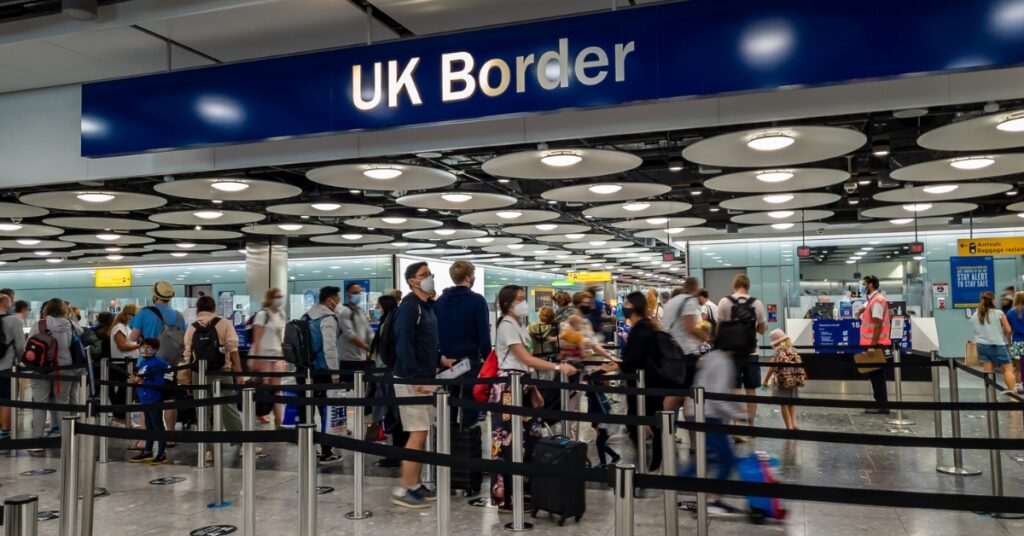
Post-Brexit, UK citizens face new travel rules when visiting the Schengen Area in the European Union.
ETIAS, a new travel authorisation, differs from a Schengen visa. This guide explains key differences, helping UK travellers understand when ETIAS applies, when a visa is required, and how to choose the correct option for European countries.
ETIAS and How it Works for British Travellers
The European Travel Information and Authorisation System (ETIAS) is a digital travel authorisation required for British travellers visiting Schengen countries for short stays. It works as a pre-screening system linked to your passport, allowing entry for tourism or business without changing core visa requirements.
Definition and Purpose of ETIAS
The ETIAS is not a visa but a security check completed before you travel, designed for visitors from visa-exempt countries such as the UK and Australia.
It supports border control by screening travellers before arrival and works alongside systems like the Entry/Exit System (EES), which records your movements at EU borders.
You complete an ETIAS application online using a simple application form that collects personal, travel, and security details. The system checks your data against EU databases to assess risks before you travel.
Who Needs an ETIAS from the UK
If you are a UK passport holder visiting Schengen countries for a short stay, you will need an ETIAS before departure. This applies to trips for tourism, business meetings, or transit through countries such as Spain.
You will not need ETIAS if you are an EU citizen or hold a residence permit in the EU. Most travellers will apply individually, even when travelling as a group.
Validity, Duration, Travel Limits
Once approved, ETIAS is valid for up to three years or until your passport expires. It allows multiple entries across participating countries, as long as you follow the stay limits.
You can stay for up to 90 days within any 180-day period, and this rule applies across all Schengen countries as a single zone. The EES tracks your entries and exits digitally, replacing passport stamps and helping enforce these limits.
Key rules to remember include:
- You must not exceed 90 days in any rolling 180-day period.
- You can enter and leave multiple times within that limit.
- You must carry the same passport used in your ETIAS application.
ETIAS speeds up travel planning, but final entry decisions remain with border authorities.
Schengen Visa and When British Travellers Need One
A Schengen visa is an official permit issued by EU countries that allows you to enter and stay in the Schengen Area for specific purposes. British travellers need one when their trip goes beyond visa-free rules or involves work, study, or long-term residence.
Overview of the Schengen Visa
A Schengen visa is granted by one of the member states and allows travel across multiple EU countries within the Schengen Area. It is a formal document placed in your passport and often requires an in-person application process.
You will need to provide supporting documents and biometric data, including fingerprints and a photo. This visa is different from entry systems used for short-term travel and involves stricter checks before approval.
When British Travellers Must Apply for a Visa
You must apply for a Schengen visa if your stay exceeds 90 days or falls outside standard short-term travel. This includes moving to countries such as Romania or Bulgaria for work or study.
Common situations where a visa is required include:
- Taking up employment or freelance work
- Enrolling in a university or long-term course
- Joining family members for extended stays
Some destinations, like Cyprus, follow separate rules but still require visas for longer stays. Even travellers from countries like Canada must follow similar rules when their visit exceeds visa-free limits.
Types of Schengen Visas
There are two main types of visas, depending on your travel purpose and duration. The most common is the short-term Type C visa, used for visits up to 90 days under specific conditions.
The Type D visa is for long-term stays and is issued by individual member states for work, study, or residence. Each country sets its own requirements, so rules may vary slightly between EU countries.
The visa you choose depends on how long you plan to stay and what you intend to do. Approval depends on meeting strict conditions set by the country handling your application.
ETIAS vs. Schengen Visa: Key Differences Explained
ETIAS and the Schengen visa differ in purpose, process, and the type of travel they allow. You need to understand these differences to avoid applying for the wrong permit and risking delays at the external borders.
Application Process and Complexity
The ETIAS application is completed online through the official ETIAS website and takes only a few minutes to submit. You provide basic personal details and travel information without attending an embassy.
A Schengen visa requires a more detailed application process with document checks and in-person appointments. You may need to visit a consulate in cities linked to destinations such as France or Italy.
Processing Times and Approval Speed
ETIAS is usually processed quickly, often within minutes or a few days in standard cases. You receive confirmation by email once approved.
A Schengen visa takes longer due to manual review and background checks. Processing can take several weeks, depending on the country, such as the Netherlands, and the time of year.
Costs and Fees
ETIAS has a fixed, low fee of around 20 EUR, with some travellers exempt. Payment is made online during the application.
A Schengen visa costs more and may include additional service charges. Fees vary by country and application centre across Europe.
Length of Stay and Travel Flexibility
ETIAS allows short visits with flexible travel across multiple countries. You can enter and leave several times within the permitted period.
A visa may allow longer stays or be restricted to specific conditions depending on the issuing country. Travel rules can vary if your visa is tied to one destination.
| Feature | ETIAS | Schengen Visa |
| Application | Online via ETIAS website | In-person at consulate |
| Processing Time | Minutes to days | Weeks or longer |
| Cost | Around 20 EUR | Higher, varies by country |
| Stay Duration | Short stays only | Short or long stays |
| Entries | Multiple entries | Depends on visa type |
Rights and Limitations
ETIAS does not allow you to work or live in EU countries and is only for short visits. It applies to non-EU nationals travelling for tourism or business.
A Schengen visa can grant broader rights depending on its type, including study or employment. It may also be required even if you are travelling from Ireland into mainland Europe for specific purposes.

How to Know Whether You Need ETIAS or a Schengen Visa
You can decide between ETIAS and a Schengen visa by looking at how long you plan to stay and why you are travelling. For most travellers from the United Kingdom, the choice depends on whether your trip falls under visa-free travel or requires formal permission.
Decision Based on Length of Stay
If your stay is 90 days or less within a 180-day period, you will usually need an ETIAS. This applies to visits across the Schengen zone for tourism, business, or short visits.
If you plan to stay longer than 90 days, you must apply for a visa through a Schengen visa application. Staying beyond the limit without the correct permit can lead to penalties or an overstay record.
Quick guide:
- Up to 90 days → ETIAS system
- Over 90 days → Schengen visa required
Decision Based on Purpose of Travel
Your reason for travel is just as important as the duration when choosing the correct option. ETIAS covers short visits, while visas apply to more specific or long-term plans.
You should choose ETIAS if you are travelling for:
- Holidays or tourism
- Business meetings or events
- Short family visits
You need a visa if you plan to:
- Work or earn income
- Study for an extended period
- Relocate or join family long-term
Even if your stay is short, certain activities may still require meeting stricter entry requirements.
Special Cases and Exceptions
Some travellers may fall outside standard rules based on their status or documents. This includes people with residence permits, dual nationality, or special rights linked to the United Kingdom.
Your travel document also affects what you need, as it must be valid and recognised for entry. Some travellers may not need an ETIAS or a visa, depending on their residency or agreements in place.
| Factor | ETIAS | Schengen Visa |
| Stay length | Up to 90 days | Over 90 days |
| Purpose | Tourism, business | Work, study, residence |
| Application | Online system | Embassy or consulate |
| Application fee | Lower fee | Higher, varies |
| Risk | Refusal at border if rules broken | Refusal during visa process |
You should always check your travel plans against current rules before booking. A small mistake in choosing the wrong permit can lead to delays or refusal at the border.

Common Mistakes UK Travellers Make When Choosing Between ETIAS and a Visa
Many British travellers choose the wrong permit because they misunderstand how ETIAS and visas work. These mistakes can lead to denied boarding, refused entry, or disrupted travel plans.
Assuming ETIAS Covers All Types of Travel
Some travellers assume that an ETIAS travel authorisation allows them to work, study, or stay long-term. It only covers short visits for tourism or business, not extended stays.
You may run into problems if you arrive expecting broader rights. Border officers will still check your purpose of travel before allowing entry.
Miscalculating the 90/180-Day Rule
Many travellers lose track of time spent across the Schengen Area and exceed the limit without realising it. This often happens when visiting multiple countries, such as Greece, over several trips.
You need to count all days across the entire area, not just one country. The rule applies even if you leave and return later.
Common errors include:
- Forgetting previous trips within the same period
- Assuming the limit resets after leaving
- Miscounting days across multiple countries
Applying Too Late or Choosing the Wrong Permit
Some travellers apply too close to their departure date and risk delays. Others choose ETIAS when a visa is required, which leads to refusal at the border.
The European Commission advises applying in advance to avoid issues. Even travellers from countries like Japan or New Zealand must follow the correct process based on their travel plans.
Ignoring Passport and Entry Requirements
Your passport must meet strict rules, including validity and matching details with your application. If your information does not match, you may be denied boarding or entry.
You also need to understand that not all European destinations follow the same rules. Travelling to a non-Schengen country may involve different checks or documentation.
Avoid most problems by checking your travel purpose, dates, and documents before applying. Careful planning keeps your journey smooth and compliant with current rules.
Choose the Right Travel Authorisation Before You Go
ETIAS and Schengen visas serve different purposes for British travellers, and choosing the right one depends on your plans. ETIAS covers short, visa-free visits, while a visa is required for longer stays or specific activities like work or study.
Check your trip length and purpose carefully before applying. Plan ahead to avoid delays, refusals, or disruptions at the border.