
ETIAS Requirements for British Citizens
Mar 12, 2026
Category: ETIAS ETIAS Tips
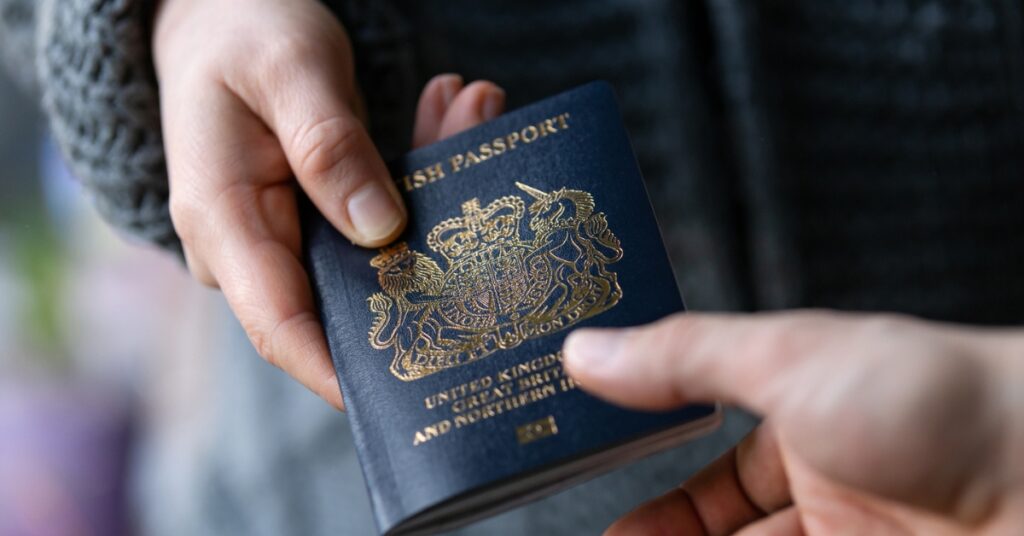
Brexit changed travel rules for UK citizens visiting the European Union. From late 2026, British passport holders will need an ETIAS approval before entering many European countries for short stays.
This guide explains ETIAS requirements, how the system works, and what travellers must prepare, including valid travel document rules and the 180-day period limit.
What ETIAS Means for British Citizens After Brexit
Brexit changed how British citizens enter many European countries. The European Travel Information and Authorisation System (ETIAS) introduces a new travel authorisation that UK travellers must obtain before visiting for short-term stays.
The system applies to visa-exempt travellers entering the Schengen Area and several associated countries. It adds a digital pre-screening step before departure while maintaining visa-free tourism and business travel.
Why British Travellers Now Need ETIAS
British passport holders became third-country nationals after leaving the European Union. Because of this status, you must meet updated entry requirements before travelling to participating European destinations.
The ETIAS functions as a pre-travel authorisation linked to your passport. It allows authorities to review traveller information before departure.
You submit an ETIAS application online before travelling. The application process is designed to be completed through the official ETIAS website using basic personal and passport information.
European Countries Requiring ETIAS for Entry
ETIAS applies to 30 European countries that participate in the Schengen Area and related travel frameworks. This includes major destinations popular with UK travellers such as France.
You can travel across participating countries with a single ETIAS authorisation. The authorisation is linked to your passport rather than to a specific trip.
Some European countries apply separate travel calculations even within the system. Cyprus counts time spent there separately from the Schengen travel allowance.
A related digital border system also affects travellers. The Entry/Exit System (EES) records when non-EU travellers enter and leave participating countries.
Short-Stay Travel Rules for UK Citizens
ETIAS applies only to short-term visits for tourism, business meetings, transit, or family visits. It does not allow long-term work or extended study in Europe.
Your authorised stay follows the familiar 90-days-within-180-days rule used across the Schengen Area. Border officials can still refuse entry if you do not meet the conditions for travel.
The ETIAS authorisation itself is separate from the application fee paid during the online submission. Once approved, it allows multiple entries within the validity period as long as your passport remains valid.

Key ETIAS Eligibility and Passport Requirements for UK Travellers
British travellers must meet specific eligibility and passport conditions before applying for ETIAS. These rules determine whether you qualify for the system and whether your passport can be used for travel to participating European countries.
The requirements mainly focus on nationality, passport validity, and the purpose of your trip. You also need to provide accurate personal details and travel plans when completing the required application form.
Who Must Apply for ETIAS
Most UK passport holders travelling to participating European destinations must obtain ETIAS authorisation before departure. The rule applies to travellers from visa-exempt countries who plan to visit Europe for tourism, business, or short visits.
This includes trips to popular destinations such as Spain and Italy. The requirement covers short stays for leisure, conferences, or visiting relatives.
Certain travellers do not need ETIAS. These groups include:
- EU citizens travelling with an EU passport
- Travellers holding residence permits issued by participating countries
- Some individuals travelling with diplomatic or special travel documents
Special rules may apply to family members of EU citizens who travel under EU free movement rights. In these cases, eligibility may depend on your relationship status and supporting documents.
Passport Validity Rules
Your passport must meet strict conditions before you submit the ETIAS application form. Border authorities use these details to confirm that your travel document meets European entry standards.
The passport should meet the following requirements:
- Issued within the last ten years
- Valid for at least three months after your intended departure
- Machine-readable and recognised for international travel
These conditions apply across participating countries, including destinations such as Norway. If your passport does not meet these standards, you may be refused boarding or entry.
Your ETIAS authorisation remains connected to the passport used during the application. If you replace or renew that passport, you must obtain a new authorisation before travelling again.
Travel Purposes Covered by ETIAS
ETIAS authorisation applies to specific types of travel to Europe. The system covers visits that are temporary and limited in duration.
Typical approved travel purposes include:
- Tourism and holidays
- Visiting family members or friends
- Business meetings or conferences
- Short educational courses or cultural events
You must also provide basic travel plans when completing the application form. Authorities may request additional information if your trip details require verification.
ETIAS does not allow long-term work, permanent relocation, or extended study in Europe. Travellers intending to live or work in countries such as Ireland or other European destinations must apply for a visa or residence permit.
The eligibility framework mirrors travel rules already used by other visa-exempt countries such as Canada. The system allows easier short-term travel while maintaining security screening before entry.

How British Citizens Apply for ETIAS
British travellers apply for ETIAS through a short online procedure completed before departure. The process checks your identity and travel eligibility before you enter participating EU countries.
The system is digital and designed for quick submission using a passport and basic personal details. Once approved, your ETIAS travel authorisation is electronically linked to your passport.
Where and How to Submit the Application
You complete the application online using the official EU platform operated under the authority of the European Commission. The form can be accessed through the official website or a dedicated mobile application.
The digital process allows you to submit the request before travelling to destinations such as Germany, Austria, or Belgium. The system verifies your information against several European databases.
The application steps usually follow a simple order:
- Access the ETIAS application portal
- Enter personal and passport details
- Answer security and travel questions
- Review your information before submission
If you need guidance while completing the form, the platform includes support pages and FAQs. These resources explain common issues and provide step-by-step instructions for travellers.
Information Required in the ETIAS Information
The application collects several categories of personal and travel data. These details help authorities confirm your identity and determine eligibility to travel.
You will typically provide:
- Full name, date of birth, and nationality
- Passport number and issuing country
- Contact details including email and phone number
- Information about your first intended destination
You must also answer security questions related to criminal records, previous immigration decisions, or travel to conflict zones. Authorities may request clarification if any responses require further checks.
These questions help EU border systems screen travellers before arrival. The system performs these checks automatically once the application is submitted.
ETIAS Fees and Processing Times
Applicants must pay a small processing charge when submitting the request. The payment is made electronically as part of the online application.
The fee structure is straightforward:
- A standard fee applies to most adult travellers.
- Applicants under 18 or over 70 are exempt from payment.
- Some family-related exemptions may also apply.
Most travellers receive a response within minutes after submission. In certain cases, additional screening may extend the decision period to several days.
The ETIAS authorisation allows airlines and ferry operators to verify your status before departure. Border control authorities and border guards can also confirm your authorisation electronically when you arrive in participating countries.
This screening approach follows systems already used by visa-waiver programmes in countries such as Australia. It helps authorities review traveller information before arrival while keeping travel procedures simple.
ETIAS Validity and Travel Rules for UK Visitors
For travellers from the United Kingdom, ETIAS becomes a standard travel requirement for short visits to participating European states. You must follow the authorised stay limits and carry the same passport linked to your approval.
How Long ETIAS is Valid
An approved ETIAS travel authorization usually remains valid for up to three years. The validity ends earlier if the passport linked to the application expires before that period.
This means you can use the same approval for several trips during the validity window. Each visit must still respect the permitted stay rules.
The authorisation stays linked to the passport used during the application. If you renew or replace that document, you must apply for a new ETIAS before travelling again.
Authorities may notify travellers before their authorization expires. You can submit a new ETIAS application shortly before the existing approval reaches its expiry date.
Multiple Entries and Travel Across Europe
One ETIAS approval allows you to enter and leave participating countries several times during the validity period. This applies across the Schengen Zone and associated countries.
You can travel between different member states during a single trip without applying again. Many travellers combine visits to destinations such as the Netherlands or Switzerland during one journey.
Some countries connected to the travel system operate alongside Schengen participation rules. This includes destinations such as Romania that cooperate with broader European border systems.
Your total time across these destinations still counts toward the common stay allowance. The travel rules apply equally to all travellers entering from outside the EU.
Border Checks and Entry Decisions
ETIAS approval allows you to travel to participating countries but does not guarantee entry. Final admission decisions are made when you arrive at the external border.
Border officials review your passport and may ask about the purpose of your visit. Border guards also confirm that you meet the conditions for entry.
Typical checks at the border include:
- Verification of your passport and ETIAS approval
- Confirmation of the length and purpose of your stay
- Checks in security and immigration databases
Border control authorities can deny entry if conditions are not satisfied. This may occur if travel documents are invalid, if information conflicts with the application, or if entry conditions are not met.

Important Tips for British Travellers Preparing for ETIAS
Preparing for ETIAS involves a few practical steps before travelling to Europe. These checks help you avoid problems with documents, travel plans, and entry conditions.
A small mistake in your travel information or passport details can disrupt your trip. Taking time to review your application and documents keeps your journey smooth.
Apply Before Booking Flights and Accommodation
You should apply for ETIAS before confirming flights or accommodation. Approval usually arrives quickly, but delays can occur if authorities need to review your information.
Applying early reduces the risk of changing or cancelling reservations. This matters if you are planning trips to destinations such as Malta or Iceland.
Submitting the application in advance allows time to correct errors if necessary. Travellers who leave the process to the last minute may face unexpected travel disruptions.
A few simple steps can help you prepare:
- Check your passport validity before applying
- Complete the application carefully
- Wait for confirmation before making non-refundable bookings
Double-Check Passport Details
Your passport information must match the details entered in your ETIAS application. Even a small mistake in numbers or letters can prevent airlines from confirming your travel status.
The system links your authorisation directly to the passport used during the application. If the numbers do not match, boarding may be refused before departure.
Pay close attention to these passport details:
- Passport number and expiry date
- Spelling of your name exactly as printed
- Country of issue and nationality
Many travellers miss errors caused by typing mistakes or confusing similar characters. Checking the information twice reduces the risk of entry problems.
These checks matter for all international travel systems. Similar verification steps apply when travellers apply for electronic travel authorisations in places such as Japan.
Monitor ETIAS Expiry Before Travelling
You must have a valid ETIAS each time you travel to participating European countries. Travelling with an expired authorization can prevent you from boarding your flight.
The authorisation remains valid only while the linked passport is still valid. Renewing your passport means you must submit a new ETIAS request.
Before every trip, check three basic details:
- That your ETIAS has not expired
- That your passport remains valid
- That your stay follows the permitted time limits
Travellers planning longer stays should review their travel purpose carefully. If your visit exceeds the permitted stay period, you may need a Schengen visa instead of ETIAS.
Plan Ahead for Smooth Travel to Europe with ETIAS
Brexit has introduced new entry procedures for British travellers visiting Europe, and ETIAS will soon become part of that process. This simple online travel authorisation helps strengthen border security while preserving visa-free travel for short visits.
Before you travel, check that your passport is valid, understand the 90/180-day rule, and apply for ETIAS well in advance. Preparing early will help ensure a smooth trip across Europe.