

ETIAS Rules for British Travellers to Italy
ETIAS will soon affect British travellers heading to Italy, as the Schengen Area tightens entry rules for non‑EU visitors. Italy, like other European countries, will require this European Union authorisation for short stays within the 180‑day period.
This guide explains who needs ETIAS, when it applies and which exemptions matter.

What is ETIAS and When Will it Apply to British Travellers?
The European Travel Information and Authorisation System (ETIAS) is a new travel authorisation that you’ll need when entering Italy for a short stay. It applies because the EU now treats UK nationals as non‑EU visitors.
ETIAS checks your details before you travel, giving you a fast clearance when you reach border control.
It works alongside systems such as the Entry-Exit System (EES) to record your movements and support the 180‑day period rules for short stays.
ETIAS is scheduled to start in the last quarter of 2026. You’ll need a valid travel document and a small application fee, and your biometric details will be matched at the border.
You’ll also work within Italy’s Schengen rules, which treat stays in countries such as Cyprus differently when calculating your total time allowed. ETIAS acts as an entry requirement, so you must secure approval before your trip.
List of essentials you’ll handle includes your application fee, your travel document and accurate personal information.
Do British Nationals Need ETIAS to Enter Italy?
You need an ETIAS travel authorisation to enter Italy because the United Kingdom is now treated as a non‑EU country. You must follow this entry requirement if you plan a short stay within the 180-day period.
Post-Brexit Status of UK Passport Holders
You are no longer treated as a citizen of an EU country, so Italy views you as a third‑country visitor. You must apply through the official ETIAS website before you travel, and the application process checks your details against shared systems across Europa.
Which UK Travellers Must Apply
You need ETIAS if you hold any form of British nationality, including BOC, BPP or BS status, and you intend to visit Italy or another Schengen state such as Belgium or Switzerland.
You do not need ETIAS if you enter from Ireland using rights that come from a different legal route.
Key points you should check include your passport type, your intended travel dates and your eligibility for ETIAS.
Quick checks before applying include confirming your nationality category, reviewing your planned route and ensuring your passport meets Italy’s rules.
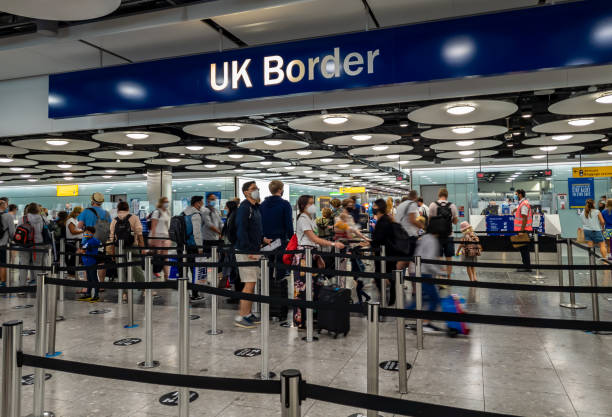
Who is Exempt? Understanding the ETIAS Exceptions
You may not need an ETIAS application if you fall under specific legal categories set by the EU. You must confirm your status carefully because exemptions apply only in narrow situations.
UK Nationals Covered by the Brexit Withdrawal Agreement
You are exempt if you live in the EU under rights granted before the end of the transition period. You can cross borders without an ETIAS application if your residence status is legally recognised in an EU state such as Austria or Croatia.
Family Members of EU/EEA/Swiss Citizens Living in Italy or the EU
You may be exempt if you hold recognised family‑member status under EU free‑movement rules. You must show proof of the relationship and be ready for a border guard to verify your documents.
Common exemption categories include:
- Residents with long‑term EU rights
- Family members holding valid EU residence cards
- Travellers covered by specific EU directives
Your exemption is not linked to systems such as ESTA, which applies to the United States. You cannot rely on an application form from another scheme, and you must check rules set by Estonia, Australia and other states listed on Europa before submitting an ETIAS application.
Requirements for British Travelers Applying for ETIAS to Visit Italy
You need specific documents and details before you can submit the new ETIAS, and each step follows clear rules set for short stays. You must prepare these items early because they determine your eligibility for EU entry at Italy’s external borders.
Travel Document and Passport Requirements
You need a valid passport that meets the standards used for visa-exempt countries. You can use biometric passports issued by the United Kingdom or any qualifying authority as long as they remain valid for your entire trip.
You should confirm your passport will scan correctly at border checks, as this affects your access into Italy and other states such as Iceland or Liechtenstein.
Information You Must Provide in the Application
You must enter details such as your full name, contact information and travel history. Include your planned dates of entry, your destination in Italy and your security‑related declarations.
Follow the instructions set by the European Commission because the accuracy of what you submit determines your clearance at EU entry points.
Application Fee
You must pay a fee of EUR 20 when you submit the new ETIAS online. You can use standard payment methods accepted across EU systems used by states such as Malta and the Netherlands.
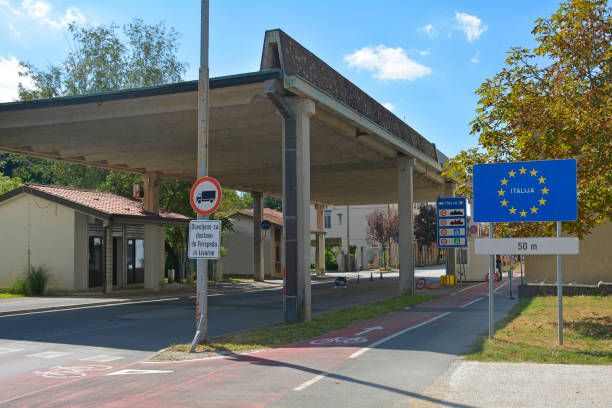
Travel Scenarios for British Nationals Visiting Italy Under ETIAS
You face different rules depending on why you are travelling to Italy under ETIAS. You must stay within your authorised limits because each scenario carries its own risk of overstay.
Tourist Trips and Short Stays (Up to 90 Days)
You can visit Italy for sightseeing, family visits or short leisure breaks as long as your total time stays within the 90‑day allowance. You can move between Italy and nearby states such as Norway, but the combined days still count toward your limit.
Make sure to track your travel dates, keep proof of your accommodation and confirm your return plans to avoid issues at the border.
Transit Through Italian Airports
You may pass through an Italian airport without entering the country if you remain airside. Make sure to meet carrier rules at departure and be ready to show onward travel documents if staff request them.
Business Visits, Short Courses, and Events
You can attend meetings, workshops or brief training without additional permits as long as your activity stays non‑remunerated. Ensure your schedule fits within ETIAS allowances so you do not risk an overstay.
What Happens at the Italian Border for ETIAS‑Approved Travellers?
You face specific checks when you arrive in Italy with an approved ETIAS. Be ready to show documents that confirm your right to enter Italy and the other Schengen countries.
What Airlines and Ferries Will Check Before Boarding
You may be asked to show your passport and proof of your ETIAS approval during airline or ferry check‑in. You must meet carrier rules, as they confirm your details before letting you board.
Here are the possible pre-boarding checks:
- Passport scan
- ETIAS match with your travel details
- Proof of onward travel if requested
Italian Border Control Procedures
You must show your passport to Italian officers when you reach border control. They might also ask for evidence of accommodation, enough funds for your stay and documents that prove your status if you hold a residence permit.
Keep all documents within reach because officers assess your entry conditions quickly. You may also be asked simple questions about your plans, especially if you intend to travel onward to other Schengen countries.

Common Issues British Travelers Should Avoid
You can run into avoidable delays if your documents or plans do not meet Italy’s ETIAS rules. Make sure to check each detail early because the system flags small mistakes that can disrupt short-term stays.
Application Mistakes That Lead to Refusal or Delay
Avoid errors in your passport number, travel dates or personal details because these mistakes can trigger extra checks. Read each field carefully before submitting your form so your data matches your identity documents.
Here are the typical mistakes that you’ll encounter in your ETIAS application:
- Typos in personal details
- Incorrect passport expiry dates
- Missing contact information
Travel Risks When Passport is Near Expiry
You risk refusal at Italy’s border if your passport will expire soon after arrival. Check its validity period before booking, especially if you plan to move between Italy and other Schengen states such as Spain.
You can prevent issues by reviewing your documents early and keeping scanned copies on your phone. Also make sure your booking details align with your declared plans so border officers can confirm your route quickly.
Ready to Travel to Italy?
ETIAS is mandatory for most British nationals because the EU now treats UK visitors as non‑EU travellers entering the Schengen zone.
Checking your passport validity, applying early and confirming whether any exemptions apply keeps your trip stress‑free. The system is designed to be quick, simple and a streamlined pre‑travel step that helps you enter Italy with confidence.