
EES errors wrongly flag British travellers as Schengen overstayers
Nov 18, 2026
Category: Border and Security EES EU News
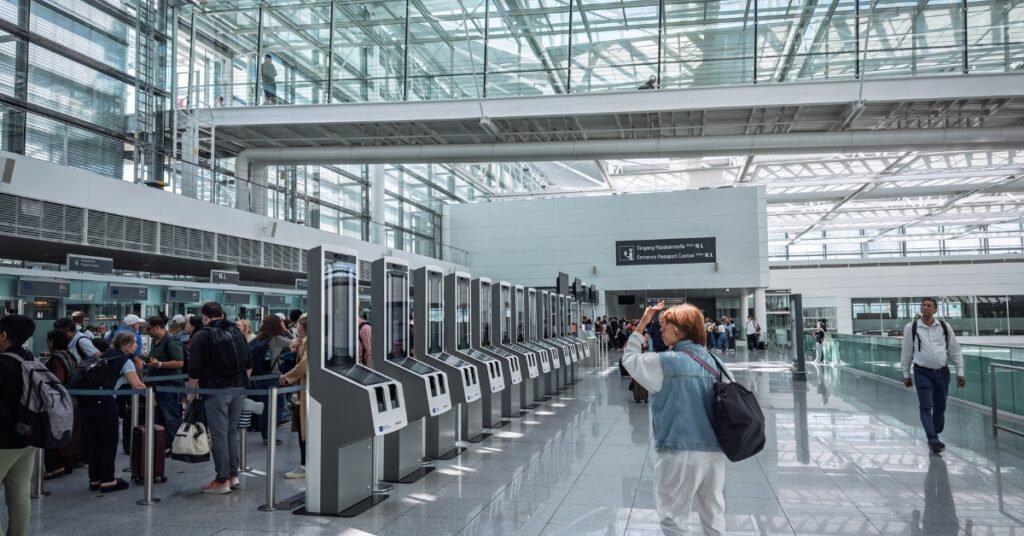
British travellers who stayed within the EU’s 90-day limit are being wrongly told they have overstayed after the Entry/Exit System (EES) failed to log their departures. Because of the EES overstay errors, some now face fines and entry bans despite following the rules.
The cases came to light in an investigation by consumer group Which?, published on 10 November 2026. Dozens of people have contacted the organisation with similar stories, and nobody yet knows how many travellers are affected.
The European Commission has not published an assessment of how many people have been wrongly flagged.
Clock never stopped
The problem starts when the system logs a traveller’s entry but misses the matching exit. It then treats the traveller as if they never left, so their 90-day allowance keeps running down.
Some exits went unrecorded during periods when checks were suspended to cut long border delays. Because EES records are shared across 29 countries, a gap in one country can follow a traveller into another.
A missing departure from Portugal, for example, can cause trouble on a later trip through France or Italy.
23 days, two-year threat
The best-known case is novelist Jojo Moyes, author of Me Before You. In October 2026, as she was leaving her second home in France, border officials at Marseille airport told her she had overstayed.
Her exit from Portugal after a May visit had never been registered. By her account, she had spent only 23 days in the Schengen area in the previous six months.
“The clock had been ticking ever since. Under Brexit rules, I was now an overstayer,” Moyes told Which?
Officers warned her that returning to Europe before the record was fixed could bring a €10,000 (£8,360) fine and a two-year ban. She has since hired an immigration lawyer to correct her records.
Bilbao to Folkestone
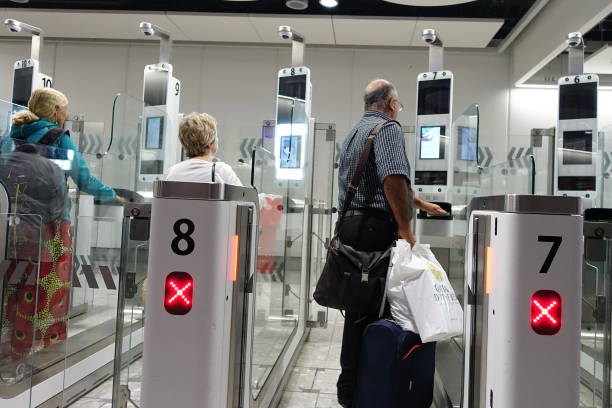
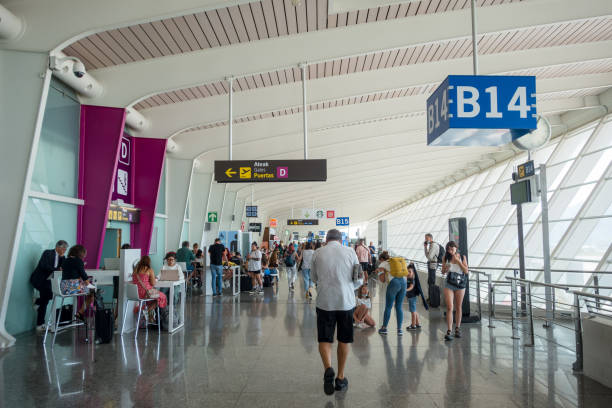
Other travellers have reported similar gaps to Which? One woman said her elderly parents’ exits through Bilbao airport were never recorded, and the couple has now decided not to travel to Europe again.
Another traveller was held for two hours at the Serbian–Romanian border and asked to explain missing entry data. Their Channel Tunnel crossing from the UK to Calais had not been logged at Folkestone.
A British man living in France on a carte de séjour residence permit was also wrongly registered, and EES then showed him as an overstayer. Non-EU residents of Schengen countries are exempt from EES checks and are supposed to show their passport and residence permit at a staffed booth.
Whitehall raises flags
The UK government has acknowledged the problem. A Foreign, Commonwealth and Development Office (FCDO) spokesperson told The Guardian: “We are aware of reports of inaccuracies in some EES records affecting British nationals.”
The FCDO said the problems include incomplete records and registering people who should be exempt. It is raising them with the European Commission, which has been asked for comment.
Right to repair
The EU regulation that set up EES requires authorities to investigate and, where needed, correct inaccurate or incomplete records without delay. Travellers also have the right to see their personal data and ask for it to be corrected.
An official EU online tool shows how many days a traveller has left, along with an “OK” or “not OK” status. Users enter their passport number and the country they plan to visit.
Correction requests go to the data controller of the last Schengen country visited. Passport control officers at external borders can also tell travellers how many days they have left.
Boarding passes, tickets and other proof of departure may help a traveller show they kept to the rules. Timing is the problem: an error may only show up on a later trip, months after the crossing, and fixing it can mean dealing with authorities in another country.
Builders in the dock
Separately, eu-LISA, the agency that runs the EU’s large-scale IT systems, has sued IBM, the French IT group Atos and the Italian defence contractor Leonardo. The case is about delays in delivering EES.
The agency awarded the core contract in 2019 to a consortium of IBM Belgium, Atos Belgium and Leonardo. The six-year deal covered building and maintaining the central system.
EU-Lisa told the Financial Times the legal action had “no impact on the functioning” of EES. It said the dispute is about delays during development and has nothing to do with how the system runs today.
The Independent has asked all three companies for comment.

Summer of queues
The overstay errors follow months of disruption at Europe’s borders. EES has been rolled out in phases since October 2025 and became fully operational on 10 April 2026.
In April, more than 100 easyJet passengers missed a flight from Milan Linate to Manchester because of passport desk delays. During the May half-term, the Port of Dover declared a “critical incident” when waits reached four and a half hours, on a day with about 8,500 outbound tourist vehicles.
A 150-day grace period allowed countries to partly suspend checks over the summer. It ended on 6 September, but at least nine countries reportedly told the Commission they would not enforce the controls until the systems were working properly.
According to The Sunday Times, France, Belgium, the Netherlands, Germany, Greece, Malta, Portugal, Italy and Switzerland have been allowed to delay. At the UK–France border, Eurostar and the Port of Dover still apply EES to only a small minority of travellers.
Neal McMahon, Ryanair’s chief operations officer, says the EU mishandled the rollout from the start. He says airlines, airports and border authorities warned Brussels it would mean longer processing times and bigger queues, and that passengers should not pay the price.
Gaps on record
The overstay errors and the queues may come from the same patchy rollout. Suspended checks and partial coverage at Channel crossings could have left gaps in the records, and the system counts those gaps as time spent in Europe.
Fixing the records is left to travellers, who often find out at a border months later. People who followed the rules still face possible fines and two-year bans.
EU-Lisa’s lawsuit is about development delays, so it is unlikely to offer any redress to the travellers affected.
The Commission has not said how many people have been wrongly flagged, and it has not responded publicly to the FCDO. Nine countries have yet to enforce full checks, and the case against IBM, Atos and Leonardo is still open.