
ETIAS and Your UK Passport: What to Do When Your Passport Expires
May 22, 2026
Category: ETIAS ETIAS Tips
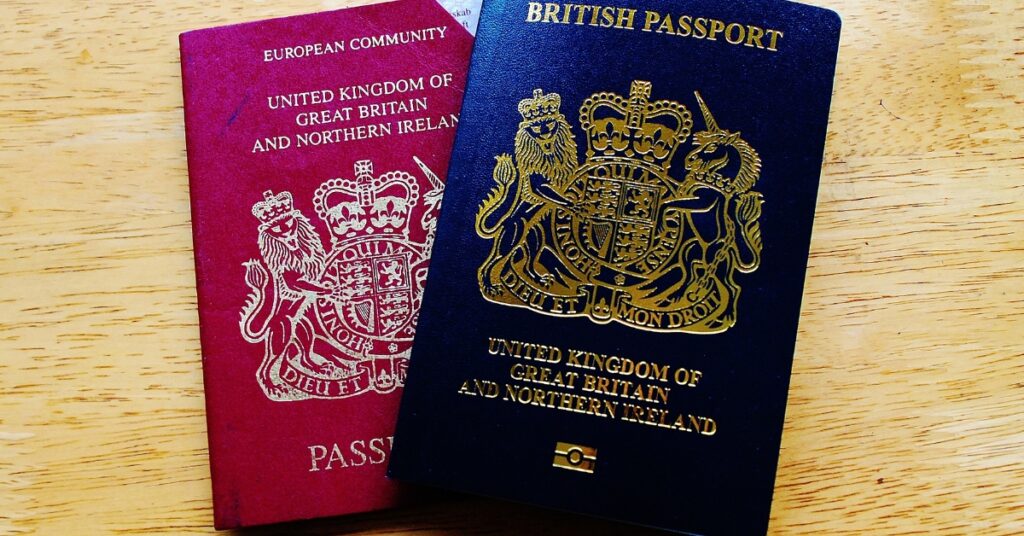
You’ve completed your ETIAS application, booked the European trips, then spotted your passport renewal date looming.
Since the European Travel Information and Authorisation System launched in late 2026, it’s an entry requirement for UK nationals visiting 30 European countries. Here’s what happens next, and how to avoid disruption.
Note: ETIAS rules are set by the European Union; HM Passport Office handles UK passport renewals separately.
How ETIAS is Tied to Your UK Passport
Your ETIAS authorisation is bound to one specific passport, not to you as a person. Change that passport, and the authorisation no longer works at the border.
Understanding ETIAS Validity
Your authorisation lasts three years or until your passport expires, whichever comes first. If your passport has 18 months left when you apply, your ETIAS lasts 18 months too, not the full three years.
This catches out plenty of UK travellers who assume the application process gives them a fixed three-year window. It doesn’t, and the system won’t warn you at the point of payment that you’re getting a shorter authorization.
ETIAS Link to Your Passport Number
When you apply, your authorization gets electronically tied to the passport number you typed in. Airlines check this before boarding your flight to the Schengen area, and border officers check it again on arrival.
If the numbers don’t match, you’re refused boarding or refused entry, full stop. This is also why ETIAS isn’t quite the same as the US ESTA, which behaves slightly differently when documents change.
Which UK Nationals This Applies to
ETIAS applies to you if you hold any of these UK statuses and you’re travelling for a short stay:
- British citizens
- British Overseas Citizens (BOCs)
- British Protected Persons (BPPs)
- British Subjects (BS)
You’re treated as a visa-exempt traveller, which is why you need an ETIAS rather than a full visa. The authorisation lets you visit Italy, Spain, France, Germany and the rest of the 30 participating countries for tourism, business meetings or short study trips.
UK nationals who are beneficiaries of the Withdrawal Agreement, meaning those who were already settled in an EU country before Brexit took full effect, don’t need an ETIAS at all and aren’t treated the same way as other UK travellers or EU citizens crossing internal borders.
What Happens to Your ETIAS When Your Passport Expires
Your ETIAS stops working the day your passport expires, even if the three-year window hasn’t run out. There’s no grace period, no automatic transfer, and no way to patch the old authorisation onto a new travel document.
Automatic Loss of Authorisation
The moment the expiry date on your passport passes, your ETIAS becomes invalid. You don’t get a warning email on the day, and the system doesn’t carry your authorization across to whatever passport you get next.
This trips up travellers who think of ETIAS as a visa waiver that sits on their record. It isn’t a personal credential, and renewing your passport doesn’t renew it.
Why You Cannot Use an Old ETIAS with a New Passport
A new passport comes with a new document number, and that number is what airlines and border officers actually check. When the number on your boarding pass doesn’t match the number in the ETIAS system, the check fails.
Here’s what that failure looks like in practice:
- Airlines refuse to let you board your flight to any of the member states using ETIAS.
- Coach and ferry operators run the same check before departure and turn you away.
- Border officers at airports across the bloc, including arrivals into Cyprus, refuse entry on arrival.
- You’re sent back at your own expense, with no refund on the original ETIAS fee.
There’s no workaround at the airport. Showing the old passport alongside the new one doesn’t help, because the visa-free authorisation is tied to a specific document number rather than to you.
What Still Applies Regardless of ETIAS Status
Even with a brand-new ETIAS sorted, a few baseline rules still govern your trip. Knowing them stops you from booking a holiday that the border won’t let you take.
| Rule | What it Means for Your Trip |
| 90 in 180 | You can spend up to 90 days within any 180-day period across the participating countries. |
| Three months forward validity | Your travel document must stay valid for at least three months after your planned departure date. |
| 10-year passport age limit | Passports issued more than 10 years before your trip aren’t accepted, even if the expiry date looks fine. |
| Honest application form | The information you submit, including any criminal record disclosures, must match across applications. |
These rules apply whether you’re heading to Madrid for a weekend or doing a longer trip across several member states. They sit on top of the ETIAS requirement, not inside it.
A practical way to think about it: your passport is the document that gets you through the gate, and ETIAS is the permission slip attached to that specific document. If the document changes, the permission slip needs to change with it.
There’s one quirk worth flagging for trip planning. Time spent in Cyprus is counted separately from time in the other ETIAS countries, so a stay there doesn’t eat into your 90-day allowance elsewhere, and vice versa.
Keep your passport expiry date and your ETIAS expiry date written down somewhere you’ll actually look at them. A renewal that creeps up on you can cancel a trip you’ve already paid for, and the loss falls on you rather than the airline or the booking site.

Renewing Your UK Passport Around Your ETIAS Timeline
Timing your passport renewal is the single biggest thing you control in this whole process. Get the order right, and you avoid paying twice or scrambling to fix bookings.
HM Passport Office Processing Times
Standard adult and child renewals from HM Passport Office typically take around three weeks, though busy periods can stretch that out. Plan on the longer end if you’re applying between March and August, when demand peaks.
If you’re up against a tight deadline, two paid services speed things up:
- One Week Fast Track, where you book an appointment and collect your new passport seven days later.
- Premium service, which can hand you a new passport on the same day at a higher cost.
Both options cost noticeably more than a standard renewal, and slots fill up fast in the run-up to school holidays. Booking early is cheaper than booking in a panic.
The “10-Year Maximum Age” Passport Rule
Border control across the 30 ETIAS countries treats any passport older than 10 years as invalid for entry. This catches out people whose passports look fine on the expiry date but were issued more than a decade ago.
The issue traces back to passports issued in the UK before September 2018, which sometimes carried up to nine extra months on top of the standard 10 years. A border guard checking your passport details at arrivals will go by the issue date, not the expiry date, and those extra months count for nothing.
Check the “date of issue” page in your passport before you book anything. If that date is close to 10 years ago, treat the passport as effectively expired for European travel.
The Three-Month Forward-Validity Rule
Your passport must stay valid for at least three months after the date you plan to leave the ETIAS area. The European Commission sets this rule, and there’s no flexibility for short-term stays.
When to Review Before Booking Flights or Accommodation
The cleanest order is: renew your passport first, apply for ETIAS second, book travel third. That way your ETIAS is tied to the passport you’ll actually carry, and your bookings line up with documents that will still be valid on the day you fly.
Doing it the other way round costs money. If you book flights, pay the ETIAS application fee, then renew your passport before the trip, you’ll need to pay for a fresh ETIAS application and risk losing non-refundable bookings if the new authorisation is delayed.
One detail worth knowing: your new passport will include up-to-date biometric data, including a chip with your facial image, which the EU’s border systems read automatically on arrival. That’s a separate check from ETIAS, and it’s another reason to make sure the passport in your hand is the one your ETIAS application is linked to.
Applying for a New ETIAS After a Passport Change
A new passport means a brand-new ETIAS application, not an update to your old one. The process is the same one you went through the first time, with a fresh fee and a fresh decision at the end of it.
Why a Fresh ETIAS Application
ETIAS has no transfer mechanism between passports. There’s no button to swap document numbers, no online form to amend, and no helpline that can do it for you.
Any change to your travel document triggers a full re-application. That includes:
- A passport that’s expired or been renewed early
- A passport reported lost or stolen
- A name change, gender marker change or change of nationality reflected on a new passport
- A replacement passport issued after damage
The rule applies whether your old ETIAS had two weeks or two years left on it. The unused time on the previous authorisation isn’t refundable and can’t be carried over.
Where to Apply
Only the official ETIAS website and the official ETIAS mobile app process genuine applications. Anything else is a middleman, and some are outright scams charging inflated fees for a form you can fill in yourself in about ten minutes.
If a site asks you for more than EUR 20 without clearly explaining the service fee, close the tab. Travellers from visa-exempt countries like Canada, Japan and the United States have already reported being overcharged through these lookalike sites.
The Application Fee
The standard fee is EUR 20, paid by card at the end of the form. Three groups don’t pay it:
- Applicants under 18
- Applicants over 70, and
- Qualifying family members of EU, EEA or Swiss nationals.
The fee is non-refundable. If your application is refused, or if you make a mistake and need to submit a corrected version, you pay the EUR 20 again on the new submission.
Information and Documents Needed for the New Application
Most of the form will feel familiar from your first ETIAS application. The crucial part is entering the new passport number correctly, because that single field is what gets linked to your authorisation and checked at every border across the Schengen countries.
You’ll be asked for:
- Personal details, including parents’ first names, home address, email and phone number
- New travel document details, copied character by character from your passport
- Education and current occupation
- First country of intended stay and the address you’ll be staying at
- Declarations about criminal convictions, past travel to conflict zones, and any previous return decisions
- Whether you hold a residence permit in any country, including ones outside Europe
You’ll also need to flag if you’ve been refused entry to the EU’s Entry/Exit System (EES) records before or had a previous ETIAS revoked. Answer honestly, because the system cross-checks your declarations against EU databases, and inconsistencies are one of the most common reasons applications get pushed into manual review.
Save the unique application number from the confirmation email. You’ll need it if anything goes wrong or if you have to contact ETIAS support about your file.

Getting the Timing Right to Avoid Travel Disruption
Lining up your passport renewal and ETIAS application in the right order saves money and stops you cancelling trips at the last minute. Treat it as a sequence with built-in buffer time, not a same-week sprint.
The 120-Day Window Before ETIAS Expiry
You can apply for a new ETIAS up to 120 days before your current one expires. The system also sends a reminder email when the expiry date is approaching, so check the inbox you used on your original application.
That four-month window is useful when your passport renewal is on the horizon. If your passport is due to expire in, say, three months and your ETIAS would normally run for another year, you can renew the passport first and apply for a fresh ETIAS straight after, while your travel plans are still flexible.
Set a calendar reminder for the 120-day mark anyway, even if you’re not planning a trip. Travellers from the United Kingdom, Australia and other visa-exempt countries often forget about ETIAS until they’re booking flights, and that’s when timing gets tight.
Standard Processing Times
Most applications come back within minutes, but the system has longer windows built in for cases that need a closer look. Here’s what to plan for:
| Outcome | Typical Timing |
| Approved ETIAS arrives by email | Within minutes for most applicants |
| Standard decision window | Up to four days |
| Extended review with extra documents requested | Up to 14 additional days |
| Interview required at a consulate | Up to 30 days total |
A quick decision is the norm, not the exception. The longer windows tend to kick in when something on your form, such as a criminal conviction disclosure or a flagged past travel record, needs a human to review it.
Build the 30-day worst case into your planning, especially for a first application on a new passport. You can’t speed up a review by phoning or emailing once your file is in the queue.
Why Apply After a Passport Change
Booking flights and hotels before your new ETIAS lands is the most common way travellers lose money on this. A refused application or a long review can leave you with non-refundable bookings and no legal way to use them.
The safer sequence after a passport change is straightforward:
- Get your new passport in hand, with the document number written down.
- Submit your ETIAS application and wait for the email confirming it’s approved.
- Book flights, trains and accommodation against the confirmed authorisation.
- Check that the passport number on your boarding pass matches the one tied to your approved ETIAS.
A valid passport on its own isn’t enough to fly. Airlines run the ETIAS check before letting you board, and a pending application doesn’t count as a valid one, even if you’re confident it’ll come through.
There’s one practical exception worth flagging. If you already hold a Schengen visa for a longer or specific-purpose stay, you don’t need an ETIAS on top of it, so the timing question only matters for the short visa-free trips ETIAS was built for.
Mistakes That Can Derail a New ETIAS Application
Small slip-ups on the form are what push applications into refusal or long manual reviews. Most of them come down to typing errors, the wrong email, or claiming a status you don’t actually qualify for.
Data Entry Errors
The most common mistake in the ETIAS application process is mistyping your passport number. Confusing the letter “O” with the number “0”, or the letter “I” with the number “1”, is enough to break the link between your authorisation and your document.
Name fields are the next pitfall. Enter your name exactly as it appears on the passport’s machine-readable zone, including hyphens, apostrophes and any middle names printed there, even if you don’t normally use them day to day.
A border guard at the external borders of an ETIAS-eligible country won’t override a mismatch. Catching it before submission costs nothing; fixing it afterwards can mean paying the EUR 20 fee again.
Using an Inaccessible Email Address
Every ETIAS notification, including approval, refusal and any future revocation notice, goes to the email address on your application. Use a personal address you check regularly, not a work email or one you set up years ago and barely open.
Lose access to that inbox and you lose visibility of your authorisation’s status. The ETIAS itself still works at the border, but you won’t see warnings about issues that could get it revoked while you’re already abroad.
Incorrectly Declaring Family-Member Status
The family-member route waives the fee and skips some screening checks, which makes it tempting to tick the box. The definition is narrow, though, and getting it wrong is a fast track to refusal.
You can declare family-member status if you are one of the following:
- Spouse or registered partner of an EU, EEA or Swiss national living in another member state
- Child under 21 or dependent child of such a national
- Dependent parent or grandparent of such a national
Wrongly claiming the status invalidates your declaration, which is grounds for refusing or revoking your ETIAS. The system cross-references your data against EU databases, so the assumption that nobody will check doesn’t hold up.
Submitting Without Reviewing the Draft
The application platform lets you save a draft for 48 hours and review the whole form before paying. Use it, because once you submit, fixing a typo can take up to 30 days through the correction request route.
A faster fix for serious errors is just to submit a brand-new application with the right details, accept the lost EUR 20, and move on. This is the route most travellers take when they realise they’ve muddled their passport number after travelling to Croatia or another ETIAS-eligible country on the old document.
ETIAS sits in the same family of travel permissions as the UK’s ETA and similar schemes, all of which punish sloppy data entry the same way. Treat the form like a passport application, not a Wi-Fi sign-up.

Plan Ahead, Travel Easy
ETIAS is tied to one specific passport, so any renewal, whether routine, early or after a loss, means applying for a fresh authorisation before your next trip. The cleanest sequence is the one that costs the least: renew your passport first, apply for the new ETIAS second, then book your flights and accommodation once both are confirmed.
Hold on to your unique ETIAS application number, use a personal email address you actually check, and apply only through the official ETIAS website or mobile app to keep your data and your money safe. Bookmark the official ETIAS guidance, check your authorisation status well before every European trip, and you’ll spend your travel budget on the holiday itself rather than on fixing avoidable admin.