
ETIAS Security Measures for Stronger Border Security in Europe
Apr 3, 2026
Category: ETIAS ETIAS Tips

From 2026, ETIAS will reshape travel for British citizens visiting the European Union.
Introduced for non-EU travellers, it strengthens border security through a streamlined ETIAS application process. Not a visa, but a pre-travel authorisation, this system aims to improve safety.
This article explains how it works and what British visitors should expect.
What ETIAS is and Why it was Introduced
The European Travel Information and Authorisation System (ETIAS) is a pre-travel screening system for visa-free visitors entering Europe. It was introduced to strengthen border management and identify potential risks before you arrive in any of the EU member states.
The Purpose of ETIAS
The ETIAS applies to third-country nationals who do not need a visa for short stays, including British travellers. You must complete an ETIAS application before departure, allowing authorities to assess your eligibility in advance.
The system links your authorisation to your passport and is valid for multiple trips within a set period. It supports border checks by giving officials access to your pre-screened data before you reach the border.
Key features of ETIAS include:
- Pre-travel authorisation instead of a visa
- Digital application process managed by eu-LISA
- Data sharing across member states for security purposes
Security Challenges Driving the Need for ETIAS
The European Commission introduced ETIAS to address gaps in traditional border checks. Authorities needed a system that could screen travellers earlier and detect risks such as criminal records or identity fraud.
ETIAS works alongside systems like the Entry/Exit System (EES) to monitor travel patterns and flag irregular activity. It also supports agencies such as Europol in identifying threats linked to organised crime or terrorism.
The system checks for risks including:
- Links to criminal records or previous immigration violations
- Travel history to conflict zones
- Indicators of high epidemic risks
Applications can be refused if risks are identified or if the data provided is unreliable. These refusals help prevent individuals who may pose a threat from travelling to Europe in the first place.

How ETIAS Screens British Travellers Before Arrival
ETIAS screens British travellers before arrival by collecting your details and checking them against multiple security databases. This process allows authorities to assess risks before you reach the European border or enter the Schengen Area.
Personal and Travel Information Collected
You complete an application form online, where you provide key personal data linked to your passport. This includes your identity, contact details, and basic background information.
Typical information required includes:
- Full name, date of birth, and nationality
- Passport details and validity
- Travel plans and first country of entry
- Declarations on health and security matters
You must confirm that all details are accurate before paying the application fee. Incorrect information can delay processing or lead to refusal.
Automated Security Checks Against EU Databases
Once submitted, your data is automatically checked against EU and international systems. These checks include records held by Interpol and other security databases.
The system compares your details against alerts related to crime, immigration violations, and lost or stolen documents. This allows authorities to detect risks before you travel to the external border.
These automated checks happen within minutes in most cases. If a match is found, your application may be flagged for further review.
The process reduces the need for lengthy checks at the European border. It gives border guards access to verified data before your arrival.
Risk Assessment and Decision-Making Process
After database checks, your application goes through a risk assessment based on the information provided. Most travellers receive a decision quickly, often within minutes.
Some applications require manual review if there are inconsistencies or potential risks. You may be asked for additional documents or clarification before a decision is made.
Possible outcomes include:
- Approval for travel across European countries
- Request for more information
- Refusal based on security concerns
If your details change, such as a new passport, you will need to apply for a new ETIAS. Each application is assessed individually, even for repeat travellers.
The final decision is recorded and shared with border guards before you arrive. This ensures checks at the external border are faster and based on pre-screened information.

How ETIAS Enhances Border Security Across Europe
ETIAS enhances border security across Europe by shifting risk checks to before you travel. It allows authorities to assess threats early and manage entry more efficiently across visa-exempt countries.
Preventing High-Risk Travellers from Entering
The ETIAS system screens travellers before departure, reducing the chance of high-risk individuals reaching EU borders. This early filtering helps limit irregular migration and detect threats linked to identity fraud or crime.
You submit your personal details and travel document information through the official ETIAS website. Authorities assess this data to identify concerns before granting an ETIAS travel authorisation.
Key risks addressed include:
- Links to criminal activity or false identity
- Previous immigration violations
- Patterns associated with irregular migration
If risks are detected, your application may be refused before travel. This prevents unnecessary movement and reduces pressure on border controls.
Supporting Border Guards with Better Information
ETIAS provides border officers with pre-checked traveller data linked to your passport. This allows faster decisions when you arrive, based on verified information.
Border guards can quickly confirm your identity and travel history using your ETIAS travel authorisation. This reduces delays while maintaining strict entry controls.
The system ensures that:
- Your personal details match your travel document
- Your authorisation status is visible in real time
- Any flagged risks are already recorded
You still need to meet entry conditions, even with approval. The system supports checks but does not replace them.
Strengthening Cooperation Between EU Security Agencies
ETIAS improves coordination between EU authorities by sharing traveller data securely. It supports a unified approach to security across all participating countries.
The system follows strict data protection rules to control access to your information. Only authorised bodies can view your data, based on their role.
This shared system benefits:
- Law enforcement monitoring cross-border threats
- Border authorities managing arrivals
- Systems tracking movement across visa-exempt countries
EU citizens are not required to apply, but the system helps protect them by improving overall security. It ensures that risks are identified early without affecting standard travel flows.
The ETIAS system creates a consistent security layer across Europe. It allows authorities to act on the same information, reducing gaps between national systems.
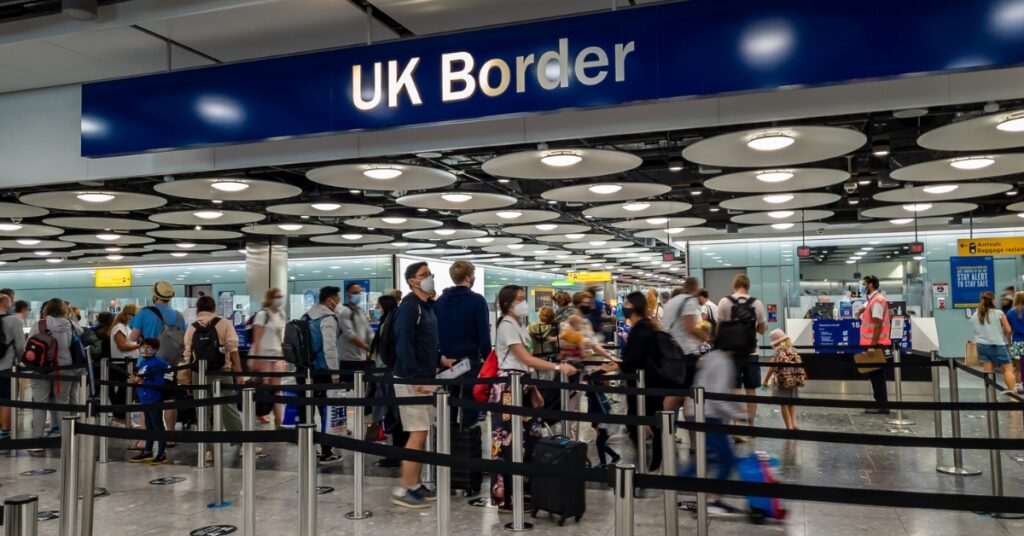
What ETIAS Security Measures Mean for British Travellers
ETIAS security measures mean you must complete a pre-travel check before visiting EU countries. They affect how you prepare, apply, and pass through border crossing points across the Schengen countries.
Increased Responsibility for Accurate Applications
You are responsible for ensuring all information in your application is correct and consistent. Even small errors can trigger delays or refusals if they raise security risks.
Authorities use your answers to assess your eligibility for visa-free travel. Inaccurate details can affect your ability to enter multiple EU countries within the allowed 180-day period.
You should pay attention to:
- Matching passport details exactly
- Declaring previous travel and background accurately
- Using a valid email you can access
Mistakes can lead to extra checks or rejection. You may need to submit a new application if errors cannot be corrected.
Why Approval Does Not Guarantee Entry
An approved authorisation allows you to travel but does not grant automatic entry. Border officers still assess your situation at border crossing points.
You may be asked to show documents or explain your travel purpose on arrival. Entry depends on meeting all conditions set by Schengen countries at the time of travel.
This approach is similar to systems used by countries like Canada and the United States with ESTA. It ensures that security checks continue even after approval.
The system respects your fundamental rights while allowing authorities to manage risks. Decisions at the border are based on current information and your compliance with entry rules.
Practical Steps to Avoid Security-Related Issues
You can reduce the risk of problems by preparing before you travel. Applying early gives time to resolve issues if your application is flagged.
Follow these steps to avoid delays:
- Apply well before your departure date
- Double-check all details before submission
- Ensure your passport is valid for your entire stay
Keep supporting documents ready in case you are asked for proof at the border. This helps you respond quickly if questions arise about your trip.
You should also stay within the permitted stay limits during your visits. Overstaying can affect future travel and lead to further checks on later trips.

ETIAS and the Future of EU Border Security
ETIAS signals a shift towards digital, data-driven border control across Europe. It shows how technology and shared systems will shape how you travel in the coming years.
Integration with EES
ETIAS works alongside the EES to create a more complete picture of your travel activity. Together, these IT systems track when you enter and leave participating countries.
The EES records each crossing automatically, replacing manual passport stamps. This helps authorities monitor how long you stay and detect overstays more accurately.
Key functions of this integration include:
- Recording entry and exit data in real time
- Identifying overstays across multiple countries
- Linking travel history to your authorisation
This combined approach supports agencies like Frontex in managing external borders. It allows faster decisions based on shared and updated data.
The Shift Toward Digital Border Management
European border control is moving towards automated systems that rely on digital checks. Your online application becomes the starting point for all security assessments.
Authorities use interconnected IT systems to process applications, store data, and flag risks. This reduces reliance on manual checks and speeds up decision-making.
You benefit from faster processing times and fewer delays at airports and ports. The system also ensures consistent checks whether you travel to Spain, Iceland, or Switzerland.
Digital systems also improve accuracy by reducing human error. They allow authorities to focus on flagged cases rather than screening every traveller manually.
Long-Term Implications for UK-EU Travel
ETIAS marks a long-term change in how you travel between the UK and Europe. You will need to plan ahead and complete an online application before each trip.
This requirement becomes part of standard travel preparation, similar to other global systems. It reflects a broader move towards controlled but accessible travel.
You should expect:
- More pre-travel checks before departure
- Greater reliance on digital approvals
- Consistent rules across multiple countries
The system applies across a wide network of European destinations. It creates a unified approach to border security that affects every trip you take.
Stay Prepared for Safer Travel Across Europe
ETIAS strengthens border security by screening travellers in advance, sharing data across EU systems, and assessing risks before arrival. It improves safety while preserving visa-free travel for UK citizens.
To avoid delays or refusals, apply early, check your details carefully, and ensure your information matches your passport before travelling.