

Spain’s tourism boom pushed international arrivals to a record 97 million in 2025.
The surge, driven by higher visitor spending and strong demand across major destinations, has boosted the economy while adding pressure on housing and local services in parts of the country.
Crowds hit new highs
The Spanish government said 97 million international tourists visited the country in 2025, a 3.5% increase on the previous year.
The figures were released as part of the country’s year-end tourism data and mark the second consecutive year of record arrivals.
International visitor spending reached €135 billion in 2025, up 6.8% from 2024. Spending grew faster than arrivals, indicating higher average expenditure per trip.
Spending outpaces arrivals
Government figures showed tourist spending increased by around 20.4% between 2019 and 2025, while arrivals rose by about 10.9% over the same period.
In 2025 alone, the growth rate of spending was almost double that of visitor numbers.
The tourism ministry linked the increase to longer stays and higher spending per visitor.
Official data showed continued growth from long-haul markets, particularly from the United States and Latin America, where travellers tend to stay longer.
Data also showed stronger demand outside peak summer months, with more travel recorded during spring and autumn. The government said that this shift reduced seasonal concentration without lowering overall visitor numbers.
Europe still dominates
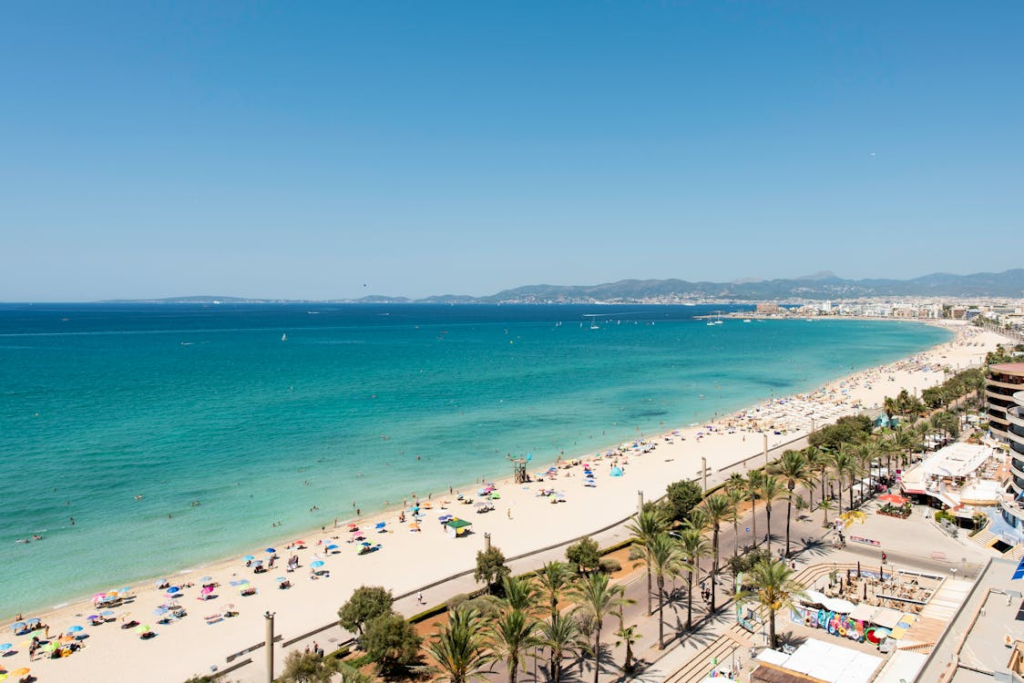
Europe remained Spain’s largest source market in 2025, with travellers from the UK, Germany and France accounting for roughly half of all arrivals. The UK remained the single largest source of visitors.
Visitor numbers from France and Germany were lower than early forecasts. The government linked the shortfall to higher travel costs in key markets.
Long-haul travel continued to grow, with arrivals from North and South America increasing year on year. Official figures showed that US visitor numbers continued to rise compared with previous years.
Beyond beaches, cities
Government data showed tourism growth spreading beyond traditional coastal destinations and major cities. Rural and inland regions recorded faster growth than established hotspots.
Between 2019 and 2025, visitor numbers in less densely populated regions rose by around 60%, compared with growth of roughly 45% in traditional high-traffic areas.
Despite the redistribution, authorities said that crowding and housing pressure remained present in several high-demand destinations.
Rentals under scrutiny
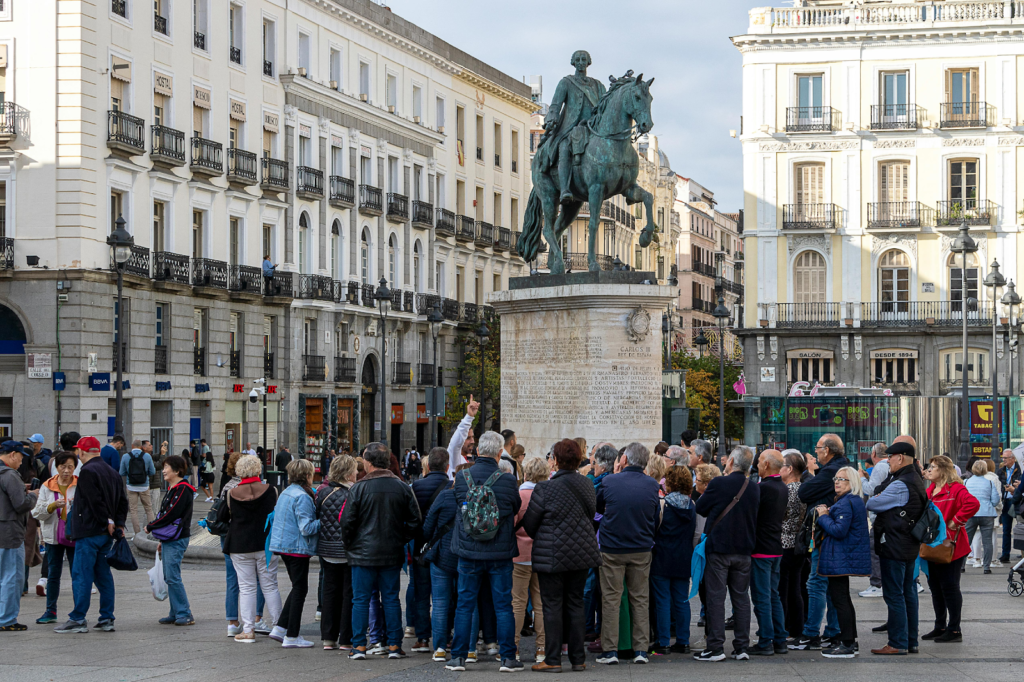
Tourism growth remained closely linked to housing concerns in major destinations. Local authorities in cities and island regions raised concerns about the impact of short-term rentals on housing availability.
In 2025, the number of tourist rental properties declined for the first time in Spain’s most visited destinations, according to government data. The decline followed tighter registration requirements and enforcement measures.
The government confirmed that further regulation of tourist apartments and holiday rentals would form part of its 2026 tourism policy framework.
Authorities said that compliance checks would increase, including for properties owned by non-residents.
Tourism fuels growth
Tourism continued to account for a significant share of Spain’s economy. Estimates from the tourism lobby Exceltur put the sector’s contribution at around 13% of gross domestic product in 2025.
The Bank of Spain forecast economic growth of nearly 3% for the year, more than double the eurozone average. Government data linked part of that growth to travel-related activity.
Employment in hospitality, transport and retail expanded alongside visitor demand, particularly in regions with a high dependence on tourism.

Residents push back
Rising visitor numbers coincided with protests in several destinations over housing, congestion and infrastructure pressure. Demonstrations took place in cities and island areas during 2025.
Local groups in Barcelona and Ibiza called for stricter limits on visitor numbers and holiday rentals. Cruise tourism was also criticised in some destinations due to congestion in urban centres.
Authorities said that local and regional governments retained the power to impose limits where visitor pressure affected residents.
Borders go digital
High visitor numbers come as new EU border systems begin to roll out across the Schengen area. The Entry/Exit System (EES) became operational in October 2025 and is being introduced gradually, with full implementation expected by April 2026.
Under EES, non-EU nationals travelling for short stays of up to 90 days within a 180-day period have their entries and exits recorded electronically at external borders. The system replaces passport stamping with digital records, including biometric data.
Another change affecting visitors is the European Travel Information and Authorisation System (ETIAS), scheduled to start operations in the last quarter of 2026. The system will apply to visa-exempt travellers from 59 countries, including the UK and the US.
ETIAS will require travellers to apply online before entering 30 European countries for short stays of up to 90 days in any 180-day period. The authorisation will be valid for up to three years or until the passport expires.
Pressure stays on
Spain ended 2025 with record tourism figures that increased spending and supported economic growth while maintaining pressure on housing and local services in popular destinations.
As arrivals remain high and EU border systems move to digital monitoring, authorities are focusing on rental controls and short-stay tracking rather than changes to immigration rules.