
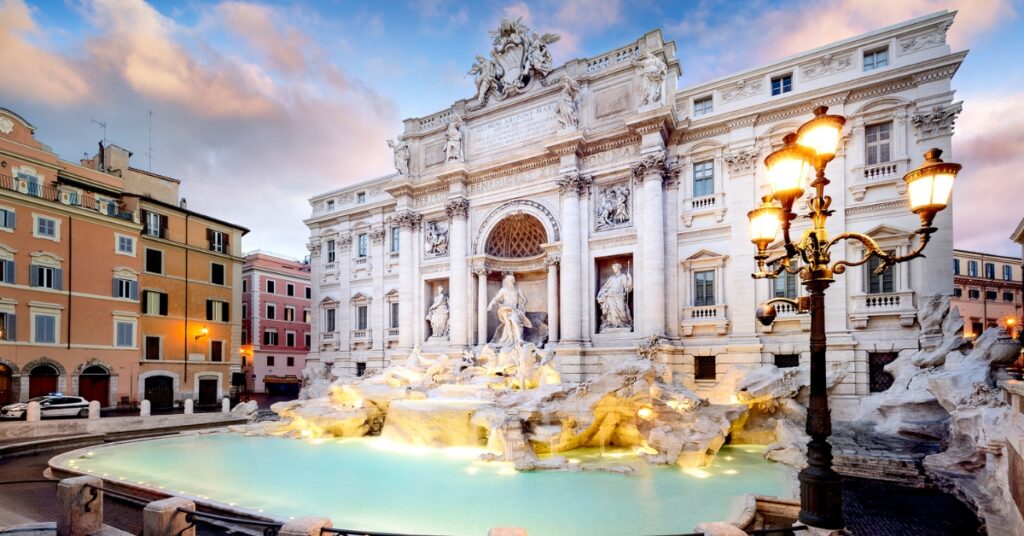
Starting 1 February 2026, tourists visiting Rome’s Trevi Fountain will have to pay a €2 entry fee to get close to the iconic monument, whilst viewing from the surrounding piazza remains free.
Rome’s mayor Roberto Gualtieri announced that the charge aims to manage the nine million annual visitors and raise an estimated €6.5 million yearly for maintenance and crowd control.
Managing crowds at Rome’s icon
The new ticketing system comes after a year-long trial run that began during restoration works in 2024.
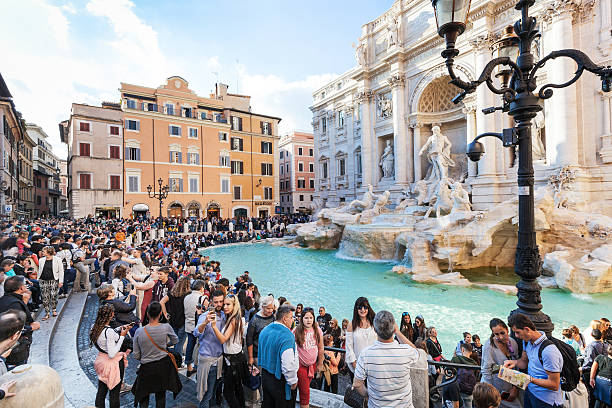
City officials set up barriers and queuing systems to control the flow of visitors descending to the fountain’s basin, where tourists traditionally toss coins into the water.
The system caps access at 400 people at a time around the fountain’s edge. The trial proved successful enough to make permanent.
So far in 2025, roughly nine million people queued to reach the fountain’s basin, with peak days seeing up to 70,000 visitors pass through. On average, 30,000 tourists visit daily.
From 9 a.m. to 9 p.m., tourists will need to buy tickets either online, through mobile apps, at hotels, or at designated tourist locations around the city. After 9 p.m., access returns to being free and unrestricted.
Tourists will have to pay if they want to get onto the stone steps surrounding the fountain’s basin, whilst the small surrounding square offering a view of the imposing monument will remain open for everyone.
Who pays and who doesn’t
Rome residents won’t pay the Trevi Fountain fee. Children under five and people with disabilities, along with one accompanying person, are also exempt.
The mayor stressed that €2 shouldn’t discourage visitors but rather allow for more organised visits.
The city decided to impose the fee after seeing positive results from the yearlong experiment to stagger and limit visitor numbers through lines and entrance and exit pathways.
Better tourist experiences
The city expects to raise €6.5 million annually from the Trevi Fountain tickets alone. Officials said that the money will fund maintenance of Rome’s cultural treasures and improve visitor experiences across the city.
The fee is part of a broader tariff overhaul for Rome’s museums and monuments announced on 18 December. Five other lesser-known sites, including the Napoleonic Museum and the Villa of Maxentius on the Appian Way, will start charging tourists €5 for entry.
At the same time, several attractions will become free for Rome residents. The Sacred Area of Largo Argentina, which currently charges admission, will open free to locals whilst maintaining fees for tourists.
Rome’s city councillor for tourism had previously suggested looking at limited and timed access to the Trevi Fountain. The goal of the charge focuses on lessening and controlling crowds rather than generating revenue, whilst preventing people from eating at the monument.
Following Venice’s lead
Rome isn’t the first Italian city to charge tourists for accessing landmarks. Venice introduced a day-tripper tax in 2024 to combat overtourism and make the city more liveable for residents.
The Lagoon City’s system is more complex, with varying rates depending on the season and advance booking.
Verona started charging visitors to access the balcony associated with Shakespeare’s ‘Romeo and Juliet’ earlier in December 2025. Rome itself began charging five euros to enter the Pantheon in 2023, though that move sparked criticism when crowds started forming outside as people queued to pay.
Rome’s chief art official assured reporters that the Trevi Fountain’s visibility won’t change. The view of the fountain will not be obstructed in any way, officials confirmed.
Tourists choosing not to pay can still appreciate the late Baroque masterpiece from the piazza above.
Rising tourism numbers
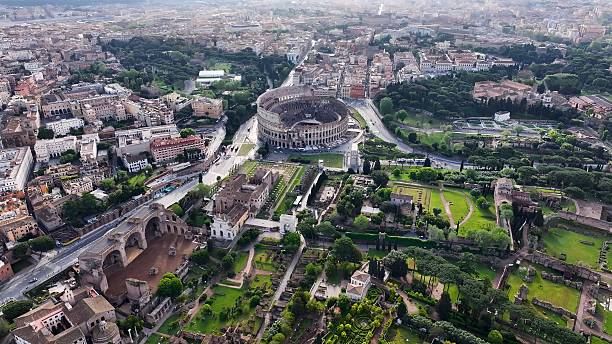
The Lazio region, where Rome sits, welcomed 36 million tourists in 2023, according to Roma Capitale’s annual statistics report. The city’s cultural sites have become increasingly strained by visitor numbers.
The pandemic briefly reduced crowds, but tourism has since rebounded to exceed pre-2020 levels. Rome’s authorities have struggled to balance preserving monuments whilst accommodating millions of visitors each year.
The Trevi Fountain fee represents the latest attempt to manage this tension. Whether other major European cities follow suit with similar charges remains to be seen, though the trend appears to be growing across Italy’s most visited destinations.
Tourists planning trips to Rome after 1 February 2026 should factor the small fee into their budgets, though the amount remains minimal compared to typical travel costs.
The real question is whether the charge will genuinely reduce crowds or simply add revenue whilst visitors continue arriving in similar numbers.