
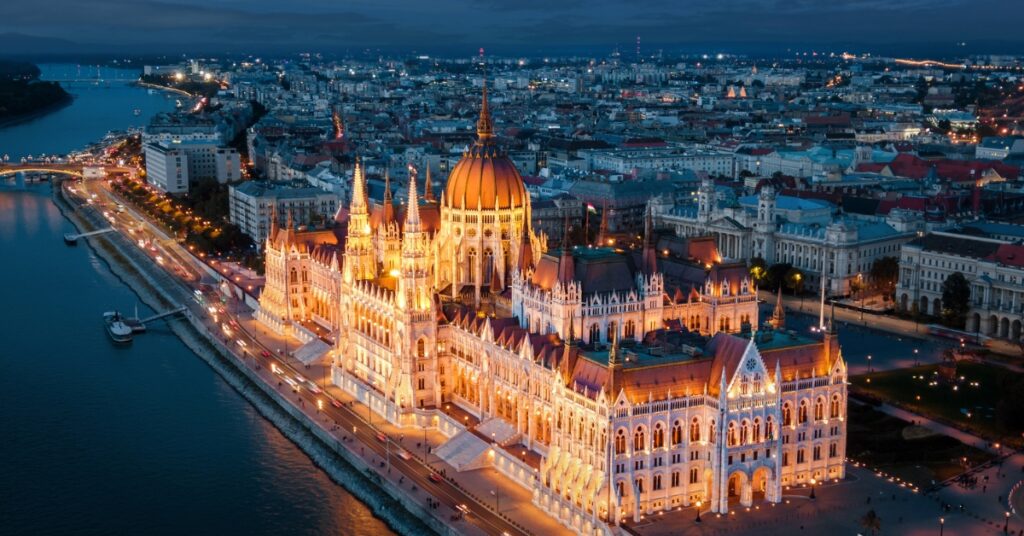
Hungary’s tourism record was set in 2025 as more than 20 million guests stayed at tourist accommodations nationwide.
The milestone was announced by the Hungarian Tourism Agency, driven by strong foreign and domestic travel across Budapest and major regional destinations.
Tourism numbers break records
Hungary’s tourism sector recorded more than 20 million guests staying at registered tourist accommodations in 2025, according to figures released by the Hungarian Tourism Agency.
The total marks the highest annual number recorded in the country and was announced at a press briefing held in Budapest.
Passenger traffic at Budapest’s Ferenc Liszt International Airport also reached 19 million during the year, based on official data shared at the same briefing.
Authorities said that foreign and domestic travel contributed in near-equal measure overall, though the balance differed between the capital and other regions.
Budapest drives the numbers
Budapest remained Hungary’s most visited destination in 2025, receiving more than 8 million guests across the year. Tourism agency data shows that these visitors generated around 18.5 million guest nights in the capital.
International travellers accounted for the majority of stays in Budapest, with roughly 7 million foreign guests recorded. Domestic travellers numbered just over 1 million in the city.
Air passenger figures released by airport authorities showed steady growth throughout the year. Officials linked the rise in airport traffic to increased flight connections and sustained demand for city travel.
Crowds spread nationwide
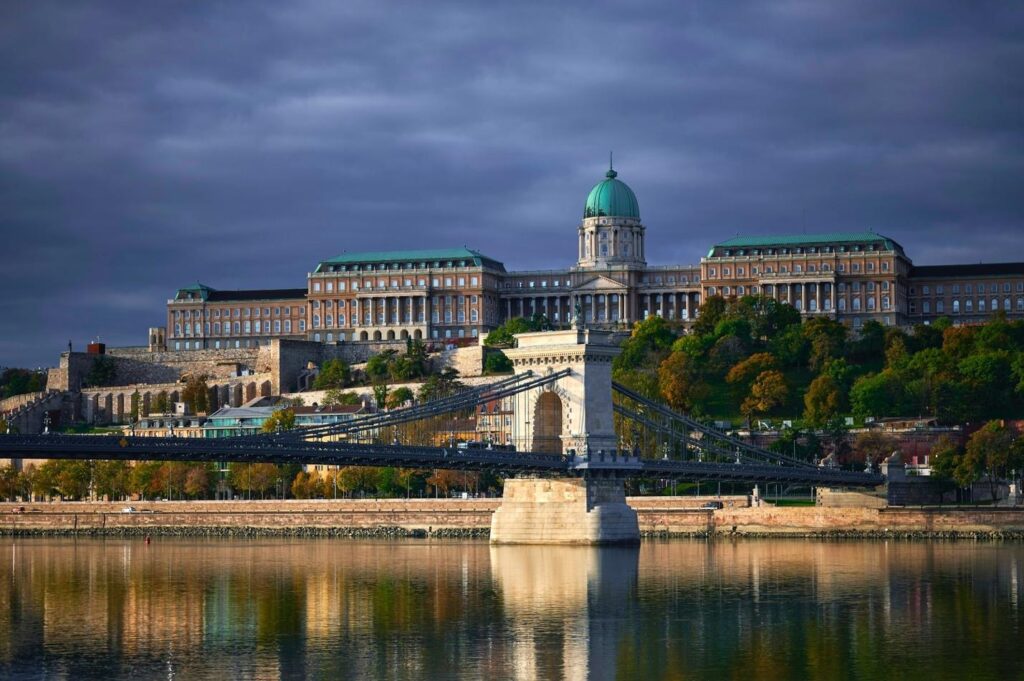
Outside the capital, destinations across Hungary recorded around 12.5 million guests in 2025. Domestic travellers made up the larger share of visits in regional areas.
Lake Balaton remained one of the country’s most popular destinations, welcoming about 3.4 million guests during the year. More than 2.5 million of those visitors were Hungarian residents.
Accommodation providers around the lake reported revenues of approximately 218 billion forints.
Spa towns also ranked highly in terms of overnight stays. Siófok recorded the highest number of guest nights, followed by Hévíz and Hajdúszoboszló. Balatonfüred and Bük were also among the most visited regional locations.
Europe leads tourist arrivals
Germany was the largest source market for foreign visitors to Hungary in 2025, followed by Romania and Poland.
Italy, the United Kingdom, the Czech Republic, Austria, Slovakia, the United States and Spain also accounted for a significant share of arrivals, according to official figures.
Foreign guest numbers increased by around 12% compared with the previous year. Tourism data showed that this growth exceeded the pace recorded in several other European countries during the same period.
Domestic travel followed seasonal patterns, with higher volumes during school holidays and public breaks. Usage of the Szép voucher card scheme remained high, with spending and top-ups both reaching close to 500 billion forints during the year.
More nights, more spending
Hungary recorded nearly 48.9 million guest nights in 2025, up from 46.6 million a year earlier. The increase reflected growth in both domestic and international travel.
Spending through Szép voucher cards reached 492 billion forints, while total top-ups amounted to 499 billion forints. These vouchers can be used for accommodation, catering and leisure services within Hungary.
Tourism accounted for more than 14% of Hungary’s gross domestic product in 2025, according to figures cited by the tourism agency. The sector also contributed close to 10% of central budget revenues through direct and indirect channels.
Public money backs growth
Tourism businesses continued to receive support through state-backed programmes in 2025. More than 21,000 developments were funded under the Kisfaludy Tourism Development Programme, with total funding nearing 405 billion forints.
The Kisfaludy Tourism Credit Centre provided low-interest loans at rates of around 2.5% to tourism service providers. The programme is designed to support upgrades and capacity development within the sector.
The Hungarian Tourism Agency, established in 2016, oversees tourism strategy and monitors sector performance using data from the National Tourism Data Centre. Its remit includes destination development and data-based management of tourism activity.

Visitors, entry checks
The rise in tourism numbers does not change entry rules for travellers visiting Hungary. As a Schengen member state, Hungary applies common Schengen border rules, allowing free movement for travellers already admitted into the area.
Non-EU nationals entering the Schengen area for short stays continue to follow existing visa and entry requirements.
The European Union has already introduced the Entry-Exit System (EES), which digitally records the entry and exit of non-EU travellers for short stays.
The EU will also launch the European Travel Information and Authorisation System (ETIAS) for visa-free travellers in late 2026.
ETIAS will require eligible visitors to complete an online authorisation before travel, but it does not replace visas or grant work or residence rights.
These systems are designed to standardise border data collection across the Schengen area. They apply to short-term travel and do not alter national rules governing residence permits, work visas or long-term migration.
Borders and EU policy
Rising travel volumes across the EU have increased operational demands at airports and border crossings, particularly in high-traffic destinations.
The new digital border systems aim to improve consistency and data accuracy at external borders.
Immigration policy remains governed by national laws and EU-level frameworks that are separate from tourism performance. Rules covering asylum, labour migration and residency are not linked to visitor numbers or tourism statistics.
Some EU countries continue to rely on foreign labour in tourism and hospitality, especially during peak seasons. Workforce needs in these sectors are addressed through existing labour and migration policies rather than tourism-specific measures.
Tourism momentum continues
Hungary enters 2026 following a year of record tourism activity, supported by strong domestic travel and sustained foreign demand. Official data points to continued pressure on accommodation capacity and transport infrastructure in popular destinations.
With new EU border systems expected to roll out in the coming years, authorities across the Schengen area are preparing operational changes at entry points.
For travellers, existing entry rules remain in force as Hungary continues to rank among Europe’s most visited destinations.