
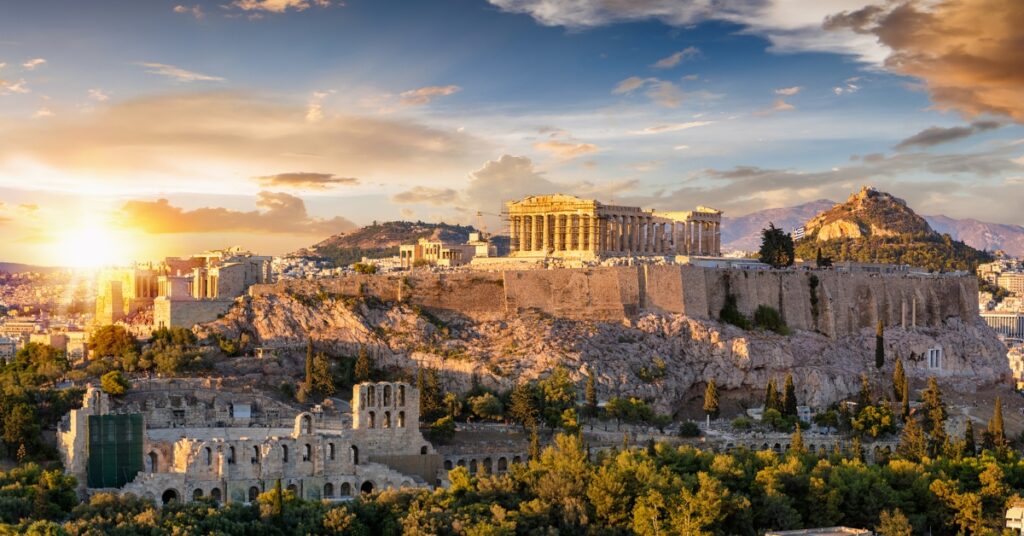
Tourism record figures show that Greece earned €23.6 billion from visitors in 2025.
The figures reveal that nearly 38 million international travellers visited the country last year, as strong demand from Europe and the United States pushed tourism revenue higher.
Tourism revenue hits peak
Tourism revenue in Greece climbed to €23.6 billion in 2025, according to figures released by the Bank of Greece.
The data shows that spending by foreign visitors rose 9.4% compared with 2024, while international arrivals increased to almost 38 million travellers.
The Bank of Greece reported that the country’s travel balance produced a surplus of €20.26 billion for the year. Tourism income helped offset around 60% of the national goods deficit and accounted for nearly 89% of the country’s total services surplus.
Rising visitor numbers
Inbound travel grew by 5.6% across the year, with airports and road crossings both reporting higher traffic. Airport arrivals increased by 5.6%, while road border entries rose by 6.9%.
EU countries remained the largest source of visitors, with more than 22 million travellers arriving from across the bloc. Arrivals from outside the EU also increased, reaching more than 15.5 million visitors during the same period.
Germany remained Greece’s biggest tourism market. Nearly six million German travellers visited the country in 2025, a rise of more than 10% compared with the previous year.

Spending from major markets
Tourist spending increased across several of Greece’s main visitor markets. Receipts from Germany reached €3.78 billion, while travellers from the United Kingdom spent €3.74 billion during the year.
Spending from French and Italian visitors also rose, reaching €1.33 billion and €1.29 billion respectively. Visitors from the United States contributed €1.72 billion to tourism receipts.
Tourism Minister Olga Kefalogianni said that the figures show continued demand for travel to the country. “The 2025 data confirm the steady upward course of Greek tourism,” she told the Athens-Macedonian News Agency.
Year-round travel expands
Officials said that tourism activity has expanded beyond the traditional summer season. More visitors travelled during autumn and winter months, which helped spread arrivals across the year.
Kefalogianni said that Greece has worked to encourage year-round tourism and attract visitors from new markets. “The aim is to strengthen tourism throughout the year and diversify the markets that travel to Greece.”
The ministry has focused on attracting travellers from Asia, the Middle East and India, alongside established European and North American markets.

Border tech shakes travel
New EU border systems could change how visitors enter Greece in the coming years.
The Entry/Exit System (EES) began operating in October 2025 and records when non-EU travellers cross Schengen borders, replacing passport stamps with a digital system.
The European Travel Information and Authorisation System (ETIAS) is expected to follow in the last quarter of 2026, requiring travellers from visa-free countries to apply for travel authorisation before visiting Europe.
For Greece, these systems may add an extra step for some visitors, though officials say the digital process should make border checks quicker once fully in place.
Long-haul travellers rise
Travel from distant markets has become a larger part of Greece’s tourism performance. Visitors from countries such as the United States continue to travel long distances to Mediterranean destinations, often spending more per trip than short-haul tourists.
This trend could help support Greece’s tourism record figures in the future, as long-haul travellers tend to stay longer and travel outside the peak summer months.
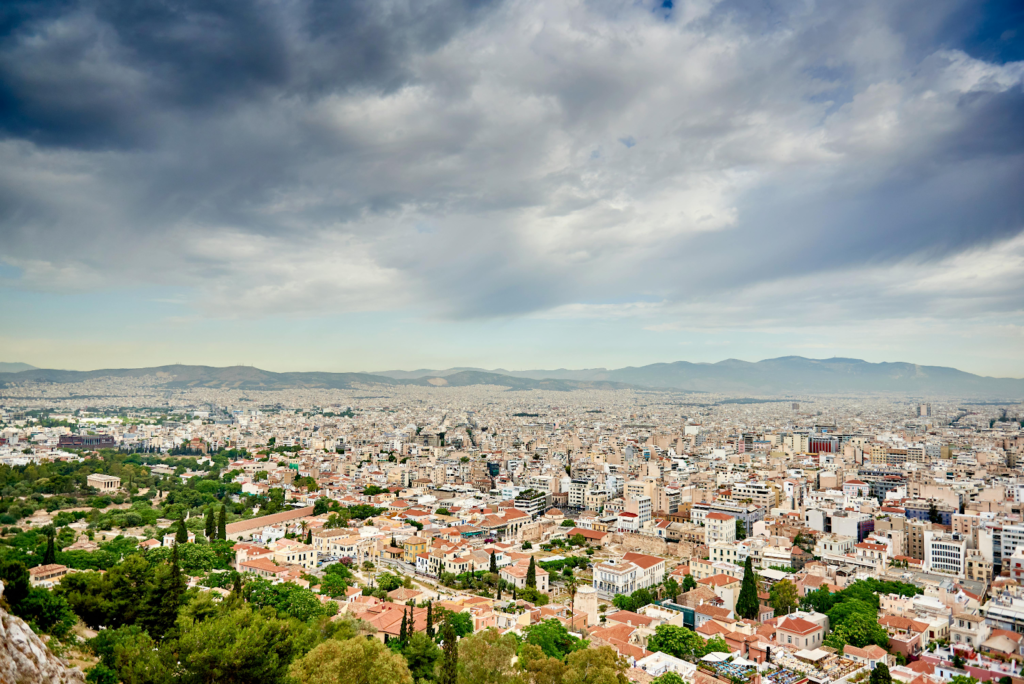
Tourism drives record year
Greece’s tourism record figures show how strongly travel demand boosted the country’s economy in 2025.
The results confirm that tourism remains one of Greece’s biggest sources of income, as officials continue working to keep the country attractive to travellers throughout the year.