
Germany to Extend Border Controls by Six Months
Feb 25, 2026
Category: Border and Security Germany News
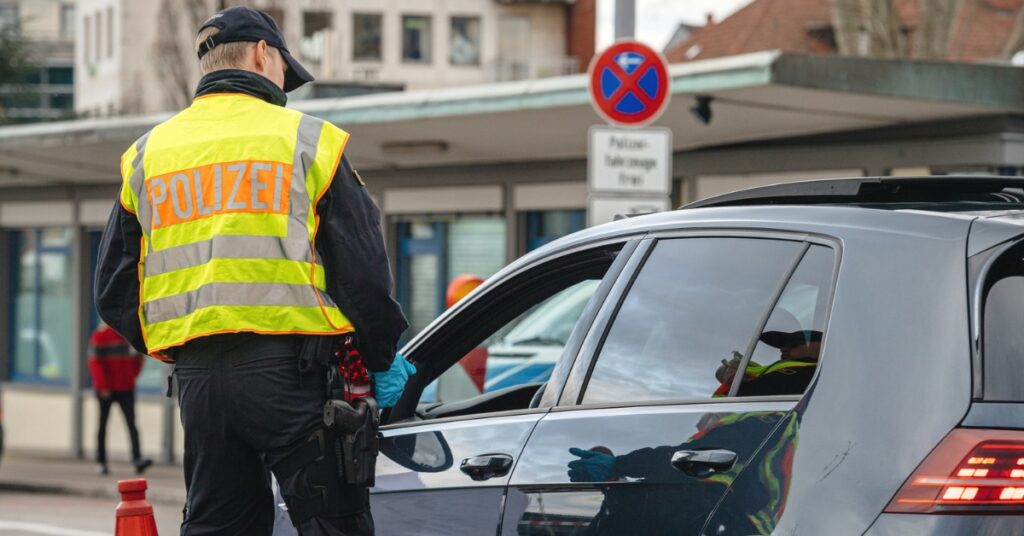
Germany will extend border controls for another six months due to ongoing security concerns.
The move, announced in Berlin and now being notified to the European Commission, forms part of the government’s migration policy overhaul.
Border checks roll on
Interior Minister Alexander Dobrindt said that Germany will prolong its border controls for another six months beyond 15 March, pushing the temporary regime into mid-September.
The government has begun notifying the European Commission, as required under European Union (EU) law.
“We are extending controls at the borders with our neighbouring countries,” Dobrindt told Bild. He added that border checks are “one element of our reorganisation of migration policy in Germany”.
The controls apply to Germany’s land borders, including crossings with Poland, Austria, the Czech Republic and France. Officers have been carrying out spot checks on cars, trains and coaches since the measures were reintroduced in September 2024.
Government officials said the extension is linked to what they describe as ongoing security concerns and pressure on the asylum system. Berlin argued that irregular migration and smuggling networks continue to pose risks to public order.
Migration policy under pressure
Chancellor Friedrich Merz’s coalition has made tougher migration rules a central part of its agenda since taking office in May last year.
The government has deployed thousands of additional police officers to border areas in a bid to increase the number of people turned back.
According to the Interior Ministry, local authorities remain under strain. Ministry spokesman Leonard Kaminski said earlier this week that “we have to do more to reach a situation that is sustainable for our country and our society”.
Figures cited by German officials showed a drop in asylum applications over the past year. The government said that tighter controls at the border have played a role in that decline.
Courts, Brussels weigh in
Germany’s decision has drawn scrutiny in Brussels, where the European Commission must assess whether the checks are necessary and proportionate.
Under EU rules, internal border controls are allowed in response to serious threats, but they are meant to be temporary and used as a last resort.
A Commission spokesperson told POLITICO that the executive is obliged to issue an opinion once such controls have been in place for 12 months under the same grounds. No timetable has been set for that opinion.
The policy has also faced legal challenges at home. A Berlin court previously ruled that one of the most controversial measures, turning away asylum seekers at the frontier, breached European law.
That ruling has intensified debate over how far Germany can go without clashing with EU asylum rules. The government has not indicated any immediate change to its approach.
Neighbours feel strain
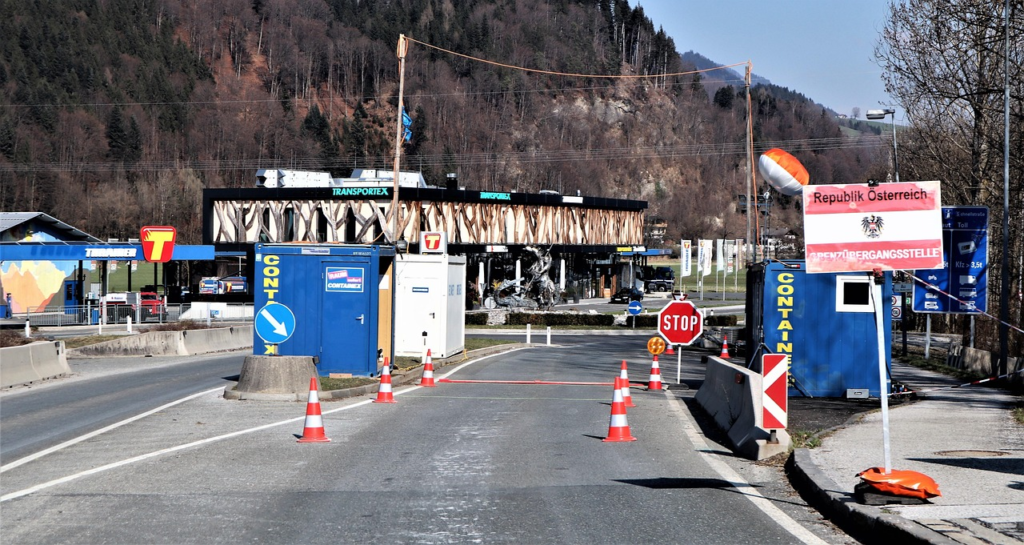
The extended checks have frustrated some of Germany’s neighbours, particularly Poland and Austria. Border regions have reported traffic congestion and longer waiting times for commuters and freight drivers.
Poland has responded with its own controls at certain crossings, leading to tit-for-tat measures that disrupt daily travel. Business groups in border areas said that delays are affecting supply chains and cross-border workers.
Germany first reintroduced temporary controls at all its land borders in September 2024 under the previous government led by Olaf Scholz. Dobrindt tightened those measures last May, sending more officers to key crossing points.
Political stakes rise
Migration remains a flashpoint in German politics. The far-right Alternative for Germany (AfD) has pushed for stricter border policies and is polling strongly as the largest opposition party in parliament.
Merz has argued that firmer controls are needed to restore confidence in the asylum system. Speaking earlier this year, he said that Germany must show that it can manage migration “in an orderly way”.
Opposition politicians from centre-left and Green parties have warned that prolonged border checks risk undermining the Schengen system of passport-free travel. They said that long-term controls could weaken one of the EU’s core principles.
Still, the government maintained that the measures are legal under EU provisions that allow temporary checks in response to serious threats. Officials stressed that the controls are reviewed regularly and are limited in scope.
Life at crossings
At major crossings in Bavaria and Saxony, federal police have set up mobile inspection points and random vehicle stops. Officers check identity documents and vehicle registrations, focusing on routes identified as common paths for smuggling.
Commuters have reported longer journeys during peak hours. Some cross-border workers said that they now leave home earlier to account for delays.
Freight companies operating between Germany and Poland have also raised concerns about unpredictable waiting times. Industry representatives have called for clearer guidance on how long the extended checks will remain in place.
Despite the disruption, federal police said that the controls have led to arrests of suspected smugglers and prevented unauthorised entries. Detailed figures on the number of turn-backs during the current extension have not yet been released.
EES, ETIAS to reshape checks
Germany’s border controls sit alongside new EU-wide systems that change how non-EU travellers are processed.
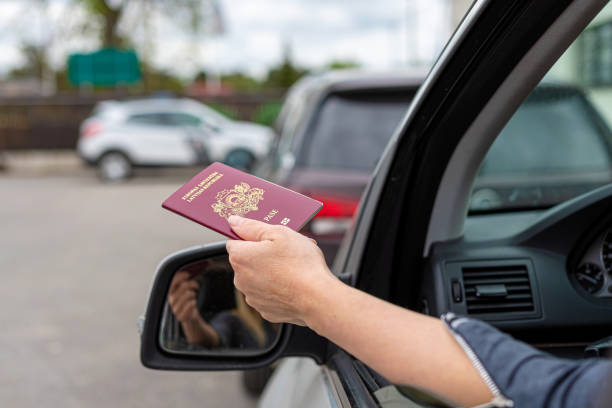
The Entry/Exit System (EES), which became operational on 12 October 2025, is an automated IT system that registers non-EU nationals travelling for short stays, defined as up to 90 days in any 180-day period. It replaces passport stamps with digital records and collects entry and exit data, including biometric information.
Germany is among the countries using the system at its external borders. While EES applies to the EU’s outer frontiers rather than internal crossings, it strengthens oversight of short-term stays across the Schengen area.
From the last quarter of 2026, the European Travel Information and Authorisation System (ETIAS) will require visa-exempt travellers from 59 countries to obtain travel authorisation before entering 30 European states. The authorisation will be linked to a passport and valid for up to three years.
These systems mean that more traveller data will be available before and at the border. Digital pre-screening and entry records can support targeted checks, even as internal border controls remain temporary under EU law.
Schengen under test
The Schengen area allows passport-free travel across much of Europe, covering 27 countries. Temporary internal border controls are permitted, but only under specific conditions and for limited periods.
Germany’s repeated extensions place it among several EU states that have reintroduced checks in recent years. Austria, France and Denmark have also used similar provisions in response to security or migration concerns.
EU officials have warned that prolonged checks risk fragmenting the free movement zone. The Commission has urged member states to co-ordinate closely and lift controls as soon as the legal grounds no longer apply.
Germany’s latest extension keeps the debate alive over how the bloc balances open borders with national security. For now, travellers crossing into Germany by land should expect continued spot checks well into late summer.