
Frontex: EU Irregular Border Crossings Fall 60% Amid Deadly Winter Surge
Feb 23, 2026
Category: Border and Security EU Migration News
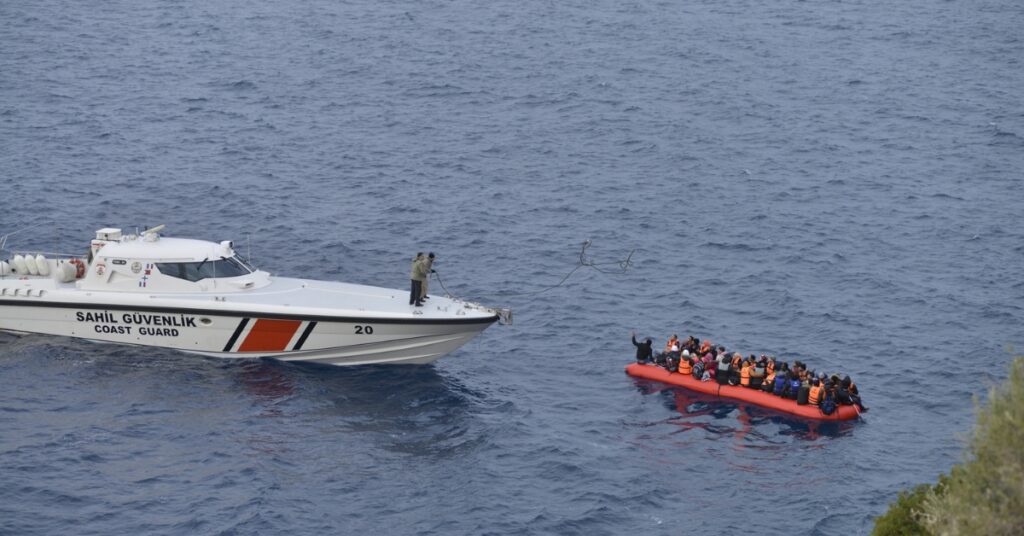
Irregular border crossings into the European Union fell by 60% in January 2026, with around 5,500 detections recorded, according to Frontex.
The agency said that severe winter storms and rough seas across the Mediterranean and other key routes disrupted departures, even as more than 450 people died attempting the journey that month.
Winter storms cut crossings
Frontex recorded around 5,500 irregular border crossings at the EU’s external borders in January 2026, down 60% from the 13,500 detections in the same month last year.
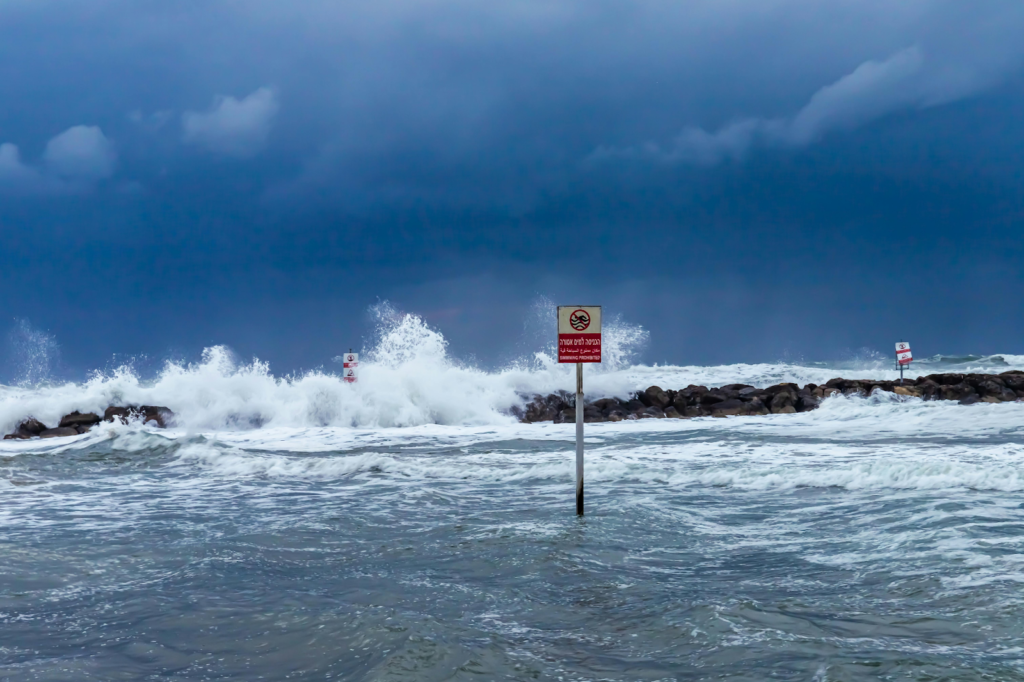
The agency said that severe winter storms, rough seas and strong winds across major migration routes disrupted departures and made journeys more dangerous.
Cyclone Harry, which hit parts of the Mediterranean coast between 19 and 21 January, added to the drop. The storm caused damage in Greece, Italy, Malta and Portugal and led to hazardous sea conditions.
The figures are based on detections, meaning that the same person may be counted more than once if they cross at different points.
Mediterranean routes stay busy
Despite the overall decline, the Eastern Mediterranean remained the busiest route into the EU in January, with 1,857 recorded arrivals. That was still 50% fewer than in January 2025.
The Western Mediterranean and Central Mediterranean routes followed, with 1,183 and 1,166 arrivals respectively. Detections on the Western Mediterranean route fell by 57%, while the Central Mediterranean saw a 67% drop year on year.
The steepest decline was recorded on the Western African route, where arrivals fell by 79% to 1,010. Crossings along the Western Balkans route dropped by 74% to 222, and detections on the eastern land border between Belarus and EU member states fell by 74% to 134.
Slight dip in channel crossings
On the Channel route towards the United Kingdom, detections decreased by around 9% to 2,281. The UK is not part of the EU, but Frontex monitors exits towards Britain as part of its wider analysis of migration patterns.
The agency deploys more than 3,000 officers along the EU’s external borders, working with national authorities. It said that its teams continued operations during the harsh weather, including search and rescue at sea.

Deaths triple at sea
The fall in irregular border crossings came alongside a sharp rise in fatalities. According to the International Organization for Migration’s Missing Migrants Project, 452 people died or went missing in the Mediterranean in January 2026.
That figure is more than triple the 93 recorded in January 2025. Frontex said that while the weather slowed departures, smugglers continued to launch overcrowded and unseaworthy boats.
“Harsh conditions in the Mediterranean and strong winds along land borders made journeys significantly more dangerous and disrupted departures,” the agency said in its statement. “The weather may have slowed departures, but it did not stop ruthless smugglers.”
The agency added that people were sent into “life-threatening conditions” despite freezing temperatures and heavy seas. It did not provide details on individual incidents.
Nationalities under review
Frontex reported that the most frequently detected nationalities in January were Afghan, Algerian and Bangladeshi. The agency said that the nationality of many arrivals is still being verified.
On the Eastern Mediterranean route, the top nationalities were Afghanistan, Sudan and Eritrea. Along the Central Mediterranean, arrivals mainly came from Bangladesh, Algeria and Egypt, according to the agency’s route breakdown.
EU migration debate continues
The latest figures land as EU member states continue to debate migration policy, border management and cooperation with third countries. January’s drop contrasts with periods in previous years when crossings surged in warmer months.
Frontex supports EU and Schengen-associated countries in border management and in tackling cross-border crime. It does not set migration policy but provides operational assistance and data analysis.
The agency stressed that its figures refer to detections at the external borders of the EU, not the total number of people attempting to migrate.
Weather conditions, conflict, economic pressures and smuggling networks all shape migration flows, though January’s data point mainly to severe winter weather as the immediate cause of the decline.
Border tech meets migration data
The fall in irregular border crossings comes as the EU rolls out the Entry/Exit System (EES), which began operating in October 2025 and is being phased in at external borders until April 2026.
The system digitally records when non-EU nationals enter and leave the Schengen area for short stays of up to 90 days in any 180-day period.
Lower irregular border crossings do not reduce the scope of the EES, but they affect the type of data the system captures.
Fewer unauthorised arrivals in January mean fewer cases of undocumented entry to detect, while the system’s focus remains on recording legal short stays and identifying overstays through entry and exit records.
Because the EES replaces passport stamps with biometric registration, authorities can more easily check whether a person has exceeded the 90-day limit.
In periods when irregular border crossings rise, digital tracking can help distinguish between those who entered legally and overstayed and those who crossed without authorisation.
ETIAS, visa rules in focus
The European Travel Information and Authorisation System (ETIAS) is due to launch in the last quarter of 2026. It will require travellers from 59 visa-exempt countries to apply online for approval before travelling to 30 European countries for short stays.
Irregular border crossings do not change ETIAS eligibility rules, but they sit alongside the policy debate that led to its creation. ETIAS is designed to screen travellers before departure and flag potential security or migration risks in advance.
If irregular border crossings remain high over time, pressure can grow on policymakers to tighten entry checks or review visa-free arrangements.
In contrast, a sustained drop may ease political pressure, though it does not remove the requirement for visa-exempt travellers to obtain ETIAS once it becomes mandatory.
The combination of EES data and ETIAS screening means that authorities will have more digital records when assessing future visa applications or monitoring compliance with the 90-day rule.
Fewer crossings, higher toll
January saw a sharp fall in irregular border crossings into the EU, as severe winter weather cut departures across major routes. Yet the same month brought a steep rise in deaths at sea, with hundreds losing their lives despite the drop in overall numbers.
The figures show that fewer crossings do not mean safer journeys. As winter conditions ease and migration debates continue across Europe, the focus will remain on border control, search and rescue, and the risks people take to reach the EU.