
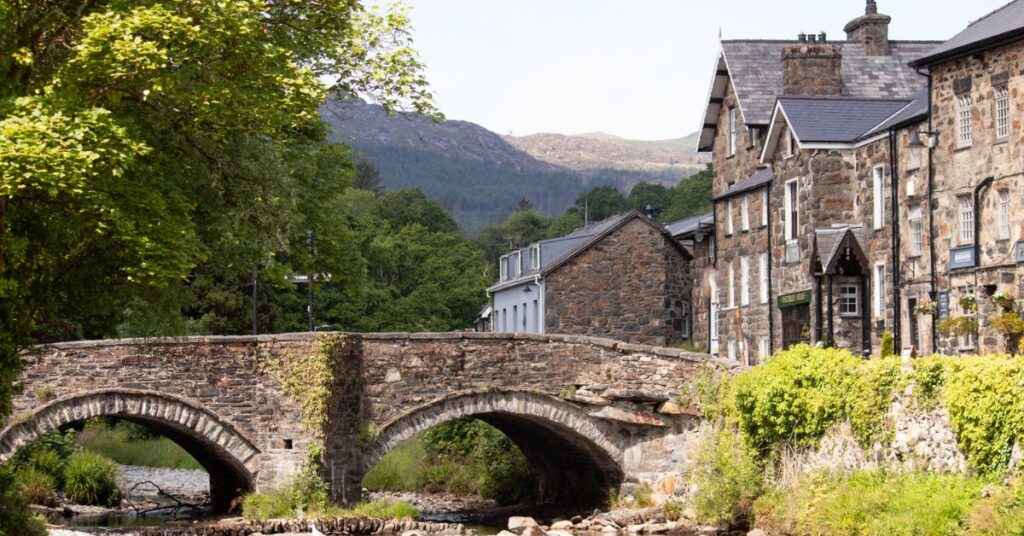
European Union lawmakers have backed a set of proposals aimed at sustainable tourism across the bloc, with a focus on easing pressure on overcrowded destinations and directing visitors to lesser-known areas.
The European Parliament’s Transport and Tourism committee approved the measures by 33 votes to four, with four abstentions.
The plan forms part of efforts to guide the EU’s upcoming sustainable tourism strategy and address uneven travel patterns across the region.
Tackling crowded hotspots
Lawmakers pointed to a sharp imbalance in travel trends, noting that 80% of tourists visit just 10% of global destinations. This concentration places strain on popular locations.
They called for a shift towards emerging and remote areas, including rural regions and mountain destinations.
The committee suggested that alternative travel experiences tied to gastronomy, wine, beer, heritage and cycling could help attract visitors beyond peak seasons. These options could also generate income for areas that receive fewer tourists.
Improving travel connections
The proposals place strong emphasis on transport links, with lawmakers calling for better connections to less-visited destinations.
They urged the European Commission to introduce support for air, sea and land routes to improve accessibility. This is expected to form part of the EU’s broader tourism strategy.
Other recommendations include support for electric vehicle leasing and charging infrastructure, expansion of cross-border night trains, and the rollout of a single ticketing system covering rail, air and maritime travel.
The committee said that these steps could make it easier for travellers to reach a wider range of destinations across Europe.

Stricter rental rules
The resolution also addressed the impact of short-term rentals on local communities.
Lawmakers welcomed new EU rules set to take effect on 20 May 2026, describing them as a move towards better destination management. At the same time, they said more action is needed to limit unregulated growth.
They warned that unchecked expansion of short-term rentals can lead to housing shortages, loss of local character and displacement of residents.
The committee called for a new EU-wide framework that would set service standards, define host categories and allow countries to limit visitor stays or introduce zoning and authorisation systems.
Tourism taxes, workforce
Lawmakers also looked at ways to support local economies and address labour shortages in the tourism sector.
They noted that some cities and regions have already introduced environmental tourism taxes. These could be used to fund projects that benefit residents and protect local environments, with lessons shared across the EU.
To improve working conditions and mobility, the committee proposed a tourism skills card. This would record qualifications, training and experience, helping workers move more easily within the sector.
The proposals also encourage greater participation in cultural volunteering. Lawmakers said that volunteers and local organisations play an important part in maintaining Europe’s cultural heritage and called for guidance to support these efforts.

Political backing and next steps
Daniel Attard, the Transport and Tourism committee’s rapporteur, said that the proposals aim to shape Europe’s first sustainable tourism strategy.
“I welcome the strong support for my report shaping Europe’s first sustainable tourism strategy,” he said. “It delivers on connectivity to rebalance flows beyond hotspots, strengthens culture as the keystone of quality tourism, advances environmental action, boosts skills and mobility, and ensures short-term rentals serve communities, rather than exploiting them.”
The resolution is non-binding and will now move to a full vote in the European Parliament, which could take place during the April session.
Tourism’s economic weight
The EU remains the world’s leading tourist destination, with around 12.3 million people employed in the sector.
Tourism contributes 10.5% to the bloc’s gross domestic product, underlining its economic importance while also raising questions about long-term sustainability.

Vote still pending
The committee’s proposals set out a broad plan to spread tourism more evenly, strengthen transport links and tighten rules on rentals.
A final decision now rests with the full European Parliament, which will determine whether the measures move forward as part of the EU’s wider tourism strategy.