
EU Entry/Exit System Stays on Track for April 9
Feb 13, 2026
Category: Border and Security EES EU News
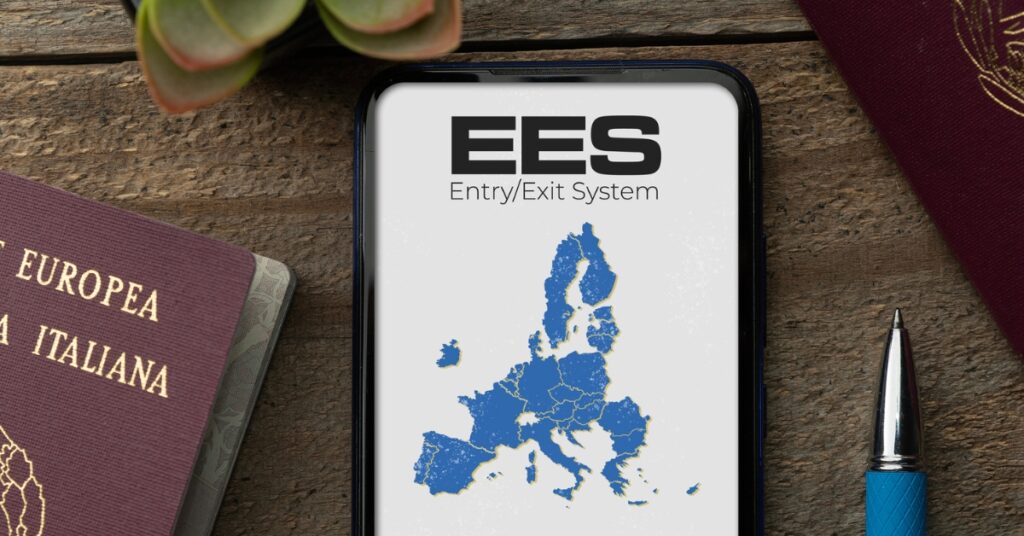
The EU has confirmed the EU Entry/Exit System (EES) will still go live across Schengen borders on 9 April 2026.
Member states will be allowed limited flexibility after rollout, including temporary pauses to manage queues during busy travel periods.
Rollout date locked in
The European Commission has confirmed that the EES will officially be implemented across all Schengen border crossings on 9 April 2026.
Despite rumours of a delay, the deadline stands, with member states expected to have biometric checks in place at all relevant border points by that date.
Under the new system, non-EU nationals—including UK citizens—will need to provide fingerprints and facial scans the first time they enter the Schengen Area.
The data will be stored in a central EU database, replacing traditional passport stamping and enabling automated entry and exit tracking.
Summer leeway for borders
To ease pressure during the busy travel season, countries will be allowed to suspend parts of the system temporarily.
After the official rollout, EU states can pause EES checks for 90 days, with a possible 60-day extension. This flexibility aims to prevent long queues at airports and ports over the summer.
“The progressive deployment of the EES will end on 9 April,” said Commission spokesperson Markus Lammert. “After that, member states can still partially suspend operations to manage delays… during a period of an additional 90 days, with a possible 60-day extension to cover the summer peak.”
This contingency has been part of the legislation since the system’s planning stages, according to officials. The Commission has stressed that these allowances do not mean a change to the April deadline.
Delays already felt
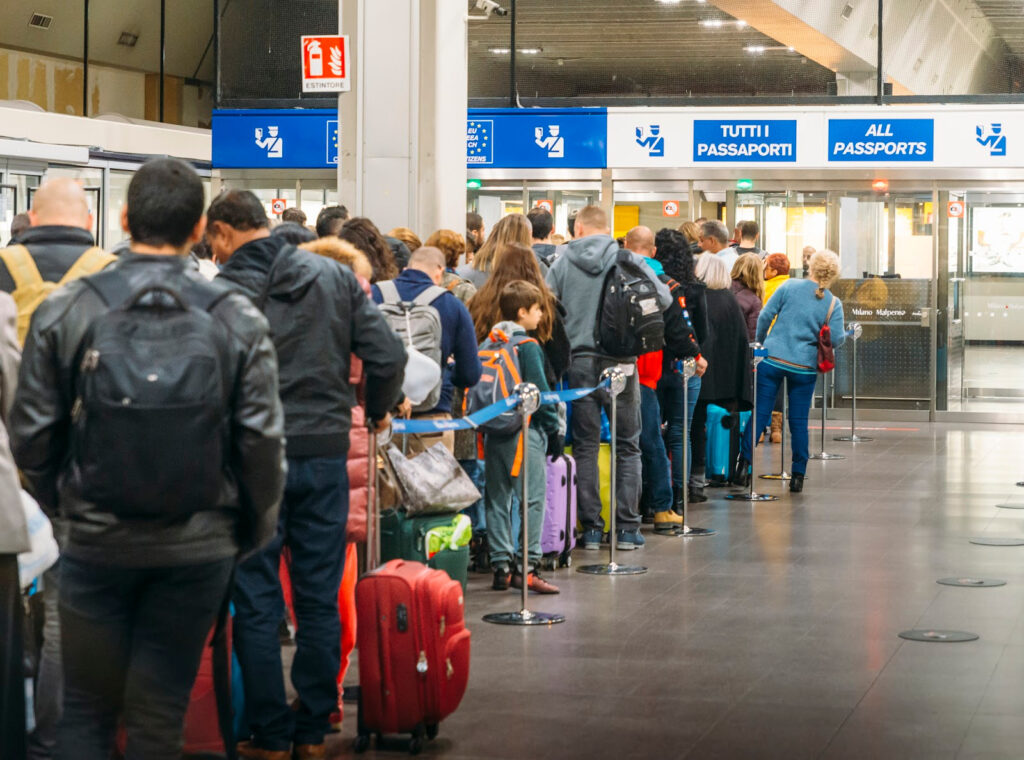
Several airports have already struggled with early-stage EES procedures.
At Gran Canaria Airport, all passport e-gates reportedly crashed on 30 December 2025 and again on 10 January 2026, causing widespread delays. A traveller told the Daily Mail that “security had to come and stamp us all” after the system repeatedly failed.
Other incidents have occurred across the bloc.
In Portugal, authorities suspended EES operations at Lisbon Airport in December after passengers experienced wait times of up to seven hours. The Portuguese government deployed 24 National Republican Guard officers to help manage queues at Humberto Delgado Airport in January.
The Airports Council International (ACI) in Brussels reported a 70% spike in processing times during the Christmas period, raising concerns about readiness for the upcoming summer rush.
Airports request more support
Airport and travel industry bodies have been calling for more personnel and technical support ahead of the deadline.
ABTA, a leading UK travel association, wrote to the European Commission in January urging the use of contingency measures to avoid “unnecessarily long queues” during high-traffic months.
Spanish tourism authorities have requested additional border police and improved passport control infrastructure, particularly in airports like Madrid-Barajas and Barcelona-El Prat.
French airports are also struggling to integrate the EES with their existing Parafe biometric e-gate system, which still cannot process UK and US passports.
A spokesperson for the Union of French Airports said delays in Parafe-EES integration were expected to be resolved by the end of March, though full functionality may not arrive until summer.

Biometric buzzkill at borders
The rollout has reignited debate about the EU’s reliance on biometric systems for border management.
Civil liberties groups have questioned whether adequate safeguards are in place to protect users’ data, while some travellers have reported discomfort with the process.
Still, the Commission has maintained that the EES is crucial for enhancing security and reducing illegal overstays. The system will also help enforce the 90/180-day rule, which limits how long non-EU nationals can stay in the Schengen Area.
“The EES is a very big step forward for the EU and our collective security,” Lammert said.
The Commission also said that while launching such a system is “complex,” extending post-rollout flexibility gives countries “the tools necessary to manage potential problems.”
Readiness gaps emerge
Some EU countries appear more prepared than others. The system’s launch across 29 participating nations—25 EU states plus Iceland, Norway, Switzerland, and Liechtenstein—has revealed uneven readiness.
According to Biometric Update, France has struggled with technical delays, while Germany and the Netherlands began trialling systems earlier.
A Commission statement described the EES as “successfully launched across Member States,” despite reported disruptions in December and January.
In several locations, infrastructure gaps remain. Some ports and smaller airports are still installing EES kiosks, and national authorities are hiring staff to manage biometric queues.
Easter traffic the first test
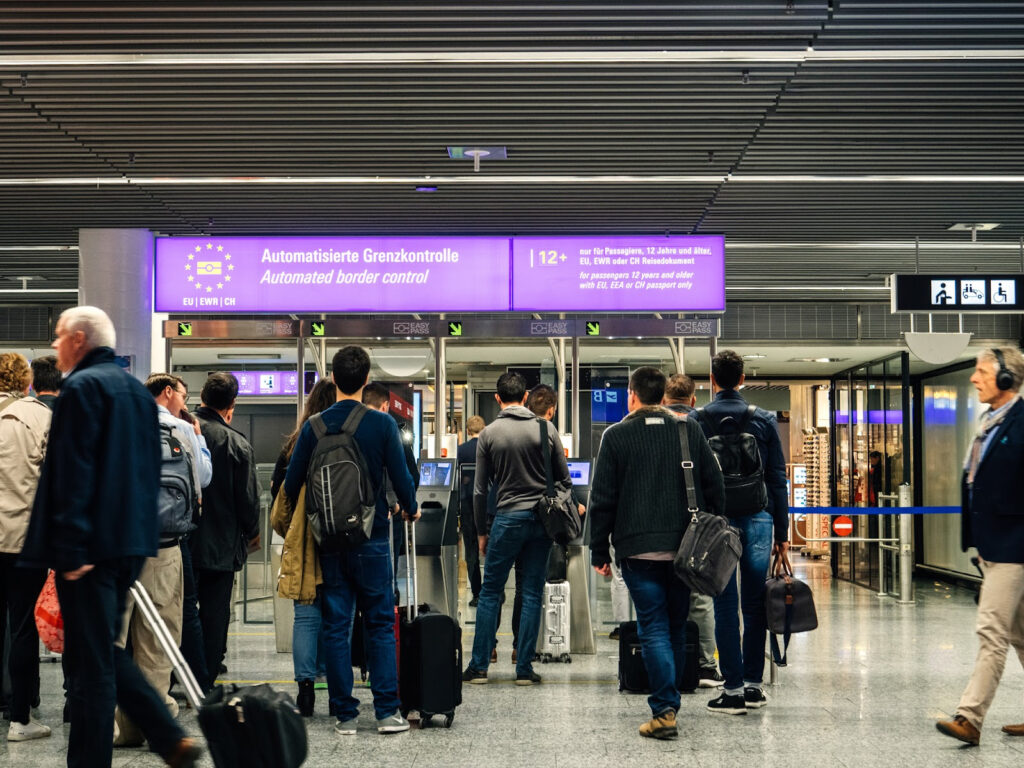
With the rollout scheduled just ahead of the Easter holidays, European airports are bracing for increased volumes.
Although member states can suspend the system temporarily, the base requirement remains: by 10 April, all Schengen external borders must begin logging third-country entries using the EES.
Travel groups are advising early arrival at border points and expect longer queues during the initial phase.
The flexibility period runs for 90 days, potentially extending to September if national governments apply for the additional 60 days allowed under the regulation.
No backing out
The EU’s approach balances a firm rollout deadline with built-in flexibility. While full implementation of the EES remains set for April, countries can adjust operations short-term to prevent airport chaos.
With major travel periods approaching, all eyes are now on whether border systems will hold up—or buckle under pressure.