
EU Backs Bloc-Wide Safe Countries List
Feb 27, 2026
Category: Uncategorised
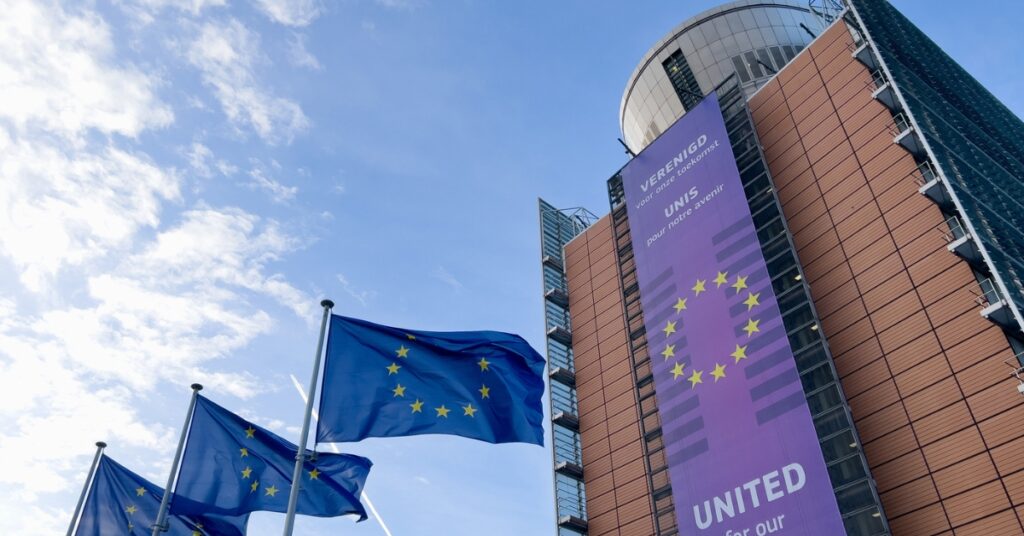
European Union (EU) leaders have approved an asylum reform that creates the bloc’s first shared list of safe countries of origin and updates rules on sending asylum seekers to third countries.
Adopted by the Council, the measures aim to speed up asylum decisions across member states and cut the number of cases fully examined.
Safe list takes shape
The new EU-wide list names Bangladesh, Colombia, Egypt, India, Kosovo, Morocco and Tunisia as “safe countries of origin”. Officials said that applications from nationals of these countries can now be processed more quickly across the bloc.
The Council stated that the aim is to bring more consistency between member states and reduce long backlogs in asylum systems. Under the new rules, countries on the list are presumed safe unless there is armed conflict, EU sanctions linked to rights concerns or an approval rate for asylum above 20%.
Nicholas Ioannides, Cyprus’ deputy minister for migration and international protection, said that the agreement marks “a concrete step towards implementation” of the EU’s migration and asylum pact. He added that the measures will support “faster, more consistent asylum procedures”.
Member states can still keep their own national safe country lists alongside the EU version. The common list is designed to sit on top of existing systems rather than replace them entirely.
Expanded third-country rules
Alongside the list, EU governments revised the “safe third country” concept. This allows authorities to reject an asylum claim as inadmissible if the person could have sought protection in a non-EU country considered safe.
Under the updated approach, a formal connection between the asylum seeker and the third country is no longer always required. States may apply the rule if a person passed through a safe country before reaching the EU or if there is an agreement with that country.
The Council said that the changes give governments more flexibility in handling cases. The rules are set to apply from 12 June 2026, the same date as the broader migration and asylum pact.
Migration pact moves forward
The measures form part of the EU’s wider migration and asylum pact, approved last year after lengthy talks between the European Parliament and member states. The pact seeks to create a more unified system for processing claims and sharing responsibility between countries.
In December, EU institutions agreed on legislation restricting the admissibility of certain asylum claims. That package paved the way for the adoption of the safe countries list and the revised third country rules.
Brussels has framed the overhaul as a response to uneven asylum practices across the bloc. Approval rates and processing times currently vary widely between countries.
Rights chief warns on safeguards
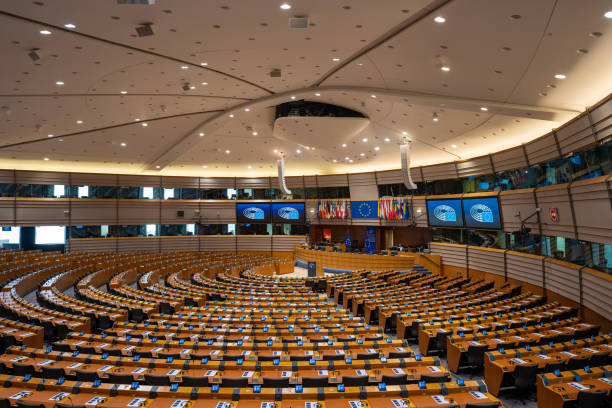
The reforms have drawn criticism from human rights bodies and campaign groups. Michael O’Flaherty, Council of Europe commissioner for human rights, said that changing legal safeguards would not reduce migration flows.
“Changes to the way the European Convention is or is not interpreted is going to have no impact on migratory flows,” he told POLITICO. “If it’s the migratory flows that you’re interested in then you’ve got to look somewhere else.”
O’Flaherty also warned against reducing protections for certain groups of migrants. “Once you mark out one group within society for lesser protection of human rights, you create a dreadful precedent,” he said.
Nearly 70 rights organisations criticised parallel EU proposals that would tighten return policies and expand detention. In a joint letter, the groups said that the plans could lead to increased policing of undocumented people and risk racial profiling.
EU officials have rejected claims that the pact weakens fundamental rights. They said that the measures remain within existing legal frameworks and are designed to make procedures more efficient.
Political pressure builds
Migration has become a central issue in European politics, with governments under pressure to manage arrivals and speed up removals. Several countries have pushed for stricter rules on returns and stronger border controls.
Last year, nine EU states signed a letter calling for a reinterpretation of the European Convention on Human Rights to make it easier to expel migrants who commit crimes. That move sparked debate within the Council of Europe.
The European Court of Human Rights, based in Strasbourg, oversees the convention across 46 member states. Any formal changes to the treaty would require broad agreement beyond the EU alone.
The Commission has also proposed “return hubs” outside the EU, where rejected asylum seekers could be sent while awaiting removal. That idea is still under discussion and has divided lawmakers.
Asylum figures drive reform
According to EU data, hundreds of thousands of asylum applications are lodged across member states each year. Processing times can stretch into months or longer, depending on the country.
Officials argued that a shared safe countries list will allow authorities to deal more quickly with applications considered less likely to succeed. Claims from nationals of designated countries can be examined under accelerated procedures.
The EU said that accession candidate countries will also be treated as safe, unless there is armed conflict, EU sanctions related to rights concerns or a high approval rate for asylum seekers from that state.
Borders go digital
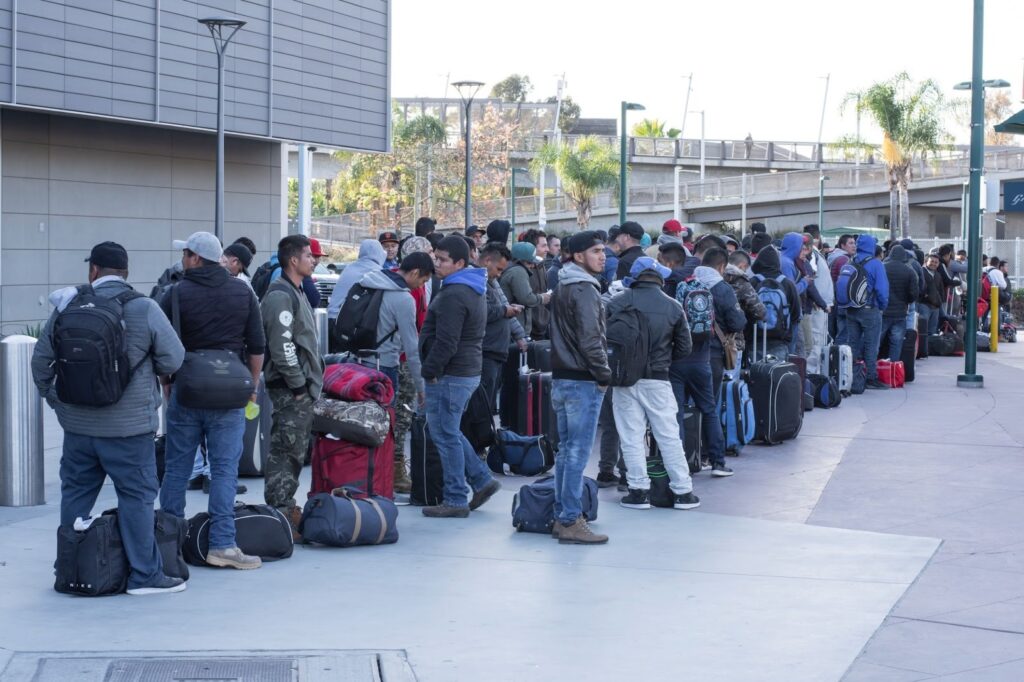
The asylum overhaul is rolling out alongside new digital border systems across Europe. The Entry/Exit System (EES) began operating on 12 October 2025 and will be fully implemented by 10 April 2026.
The EES registers non-EU nationals travelling for short stays of up to 90 days in any 180-day period, replacing passport stamps with electronic records. The system aims to modernise border checks and prevent overstaying.
From the last quarter of 2026, the European Travel Information and Authorisation System (ETIAS) will require travellers from 59 visa-exempt countries to obtain a travel authorisation before entering 30 European countries. ETIAS will be valid for up to three years and will apply to short stays.
These systems focus on short-term visitors, not asylum seekers. Yet together with EU asylum reform, they form part of a wider shift towards tighter data tracking and common rules at the external border.
By recording entries, exits and refusals electronically, the EES may make it easier for authorities to identify people who overstay visas and later apply for protection. ETIAS adds a pre-travel screening layer for visa-exempt nationals, which could reduce the number of people arriving without prior checks.
Pact enters next phase
With the Council’s formal adoption complete, member states now face the task of putting the rules into practice before June 2026. National administrations must adapt their procedures and train staff on the updated framework.
The debate over EU asylum reform is far from settled. Supporters see the new list and third country rules as tools to streamline a complex system, while opponents warn about the impact on rights and legal protections.
As the implementation date approaches, attention will turn to how governments apply the rules on the ground and whether the promised speed and consistency materialise across the bloc.