
EU App Launched to Cut EES Airport Delays
Mar 30, 2026
Category: Border and Security EES EU News
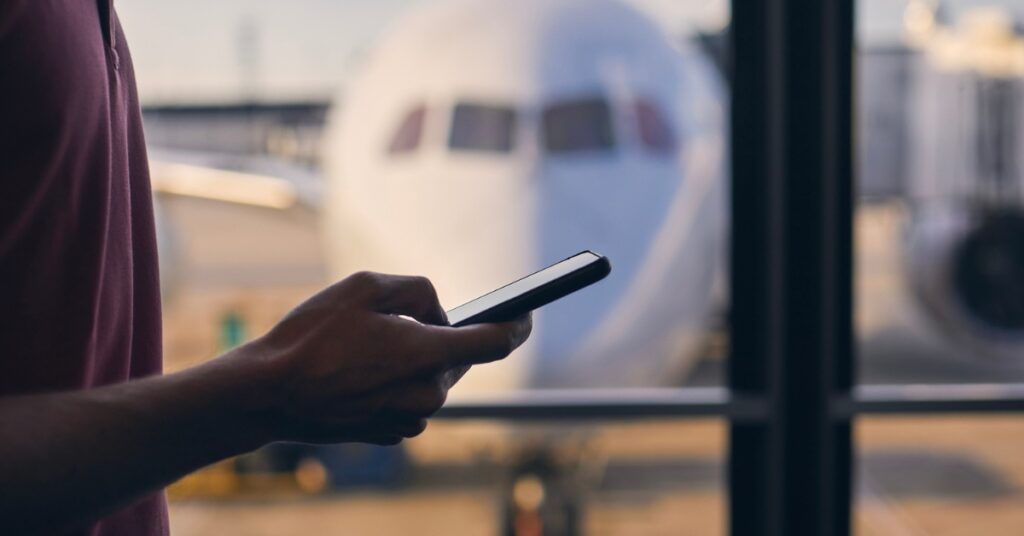
The European Union has launched a mobile application designed to speed up border crossings as its new Entry/Exit System (EES) continues to cause delays at airports across the continent.
The “Travel to Europe” app allows non-EU travellers to submit passport details and a facial image before reaching border control, part of a wider effort to manage congestion linked to new biometric checks.
The tool is optional and does not replace border inspections, but officials said that it can reduce waiting times.
The rollout comes as the EES, introduced in October 2025, has led to long queues and operational strain at major travel hubs, with some passengers already missing flights.
App aims to ease queues
The Travel to Europe app was developed by Frontex to support EU countries as they implement the EES, which requires non-EU nationals to register biometric data when entering or leaving the Schengen Area.
Travellers can use the app within 72 hours before their journey to pre-register passport information and upload a facial image. They can also complete an entry conditions questionnaire in advance.
According to the EU, “The app does not replace border checks but makes border crossing smoother and faster and more efficient.”
Frontex stated that pre-registration reduces the number of steps required at the border, helping both travellers and authorities manage the process more efficiently.
Biometric checks drive delays
The EES became operational on 12 October 2025 and is being introduced gradually across European borders, with full implementation expected by 10 April 2026.
Under the system, non-EU nationals, including UK citizens, must provide biometric data such as fingerprints and photographs. These checks must still be completed in person at border control.
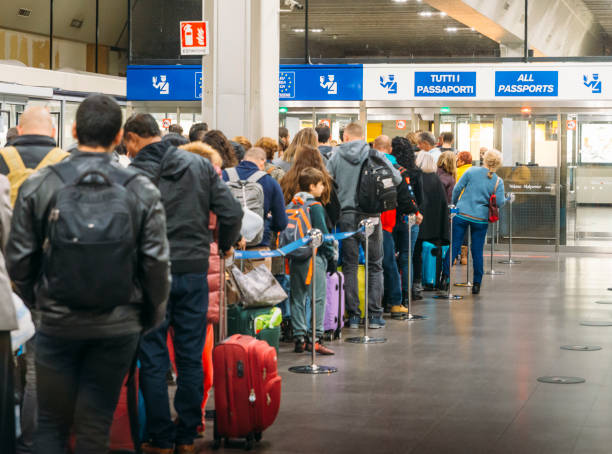
Airports have struggled to adapt to the new requirements. Reports from across Europe described long queues and significant waiting times as staff process the additional data.
Industry bodies including the International Air Transport Association, ACI Europe and Airlines for Europe warned in a joint letter that queues could stretch to four hours during peak travel periods.
Airports Council International Europe reported that waiting times have increased by up to 70%, with queues reaching three hours in some cases.

Heavy congestion in Lisbon
Portugal’s Humberto Delgado Airport in Lisbon has emerged as one of the most affected hubs.
The airport handles more than 35 million passengers each year and has seen large crowds at passport control since the EES rollout.
Travellers have reported missing flights due to long queues. Authorities have deployed additional police and security personnel during busy periods to manage the flow of passengers.
In one instance, 80 Public Security Police officers were assigned to assist during the Christmas and New Year period. In January, further support came from members of the National Republican Guard stationed in arrivals.
Travel industry figures have urged passengers to allow extra time at the airport. Julia Lo Bue-Said, chief executive of Advantage Travel Partnership, advised travellers to arrive at least four hours before departure and to leave longer gaps between connecting flights.
“Since the implementation of EES first began in October last year, we’ve already seen instances of significant delays,” she told the BBC.
App use remains optional
The Travel to Europe app is available to non-EU nationals with biometric passports. It can be downloaded from the App Store and Google Play.
Users create a journey, scan their passport, take a selfie and answer questions about their trip before submitting their details. They then receive confirmation before heading to the border.
Even with pre-registration, travellers must still complete checks in person, including fingerprint scanning in front of a border guard. Those who use the app may still need to join standard non-EU queues.
EU authorities stressed that the app is optional and depends on whether individual countries choose to adopt it.
Sweden was the first to confirm it would use the app at selected border crossings, including Stockholm Arlanda Airport. Portugal has also begun supporting the app, with Lisbon Airport among the locations where it is available.
Functionalities may vary depending on the country, with some offering full data pre-registration and others limiting features to specific steps such as the entry questionnaire.
Gradual rollout across Europe
The EES is being introduced across 29 European countries, marking a shift towards digital border management.
The Travel to Europe app builds on earlier pilot projects tested at airports including Arlanda and Schiphol. Frontex continues to support countries as they integrate the system into their border procedures.
The EU has introduced temporary flexibility in the rollout to manage expected summer travel demand and reduce pressure on airports.
At the same time, plans are progressing for the European Travel Information and Authorisation System (ETIAS), expected to launch between October and December 2026 if the EES rollout is completed successfully.
Under ETIAS, travellers from more than 60 visa-exempt countries will need to apply for authorisation before travelling to Europe. The permit will be valid for three years or until the traveller’s passport expires.
Data protection, access rules
The app includes safeguards for personal data, with information accessible only to the traveller until it is submitted.
Once submitted, the data becomes available to border authorities in the country selected for entry or exit. Any draft data not submitted is automatically deleted after seven days.
EU officials said that the system complies with data protection rules, aiming to balance security checks with traveller convenience.
Vulnerable groups, including elderly passengers, children and people with disabilities, may benefit from completing part of the process in advance rather than at crowded border points.

Delays shape travel habits
The introduction of the EES has already changed how travellers prepare for trips to Europe.
Airlines and travel organisations have advised passengers to monitor queue conditions and allow more time at airports.
Even those who complete digital pre-registration are expected to face some waiting time due to the requirement for in-person biometric checks.
Suggestions for avoiding delays range from arriving earlier to planning longer layovers for connecting flights.
Border system enters new phase
The rollout of the Travel to Europe app marks a step in the EU’s transition to digital border controls, even as airports continue to adjust to the demands of biometric data collection.
While the app may reduce processing time for some travellers, long queues and operational challenges remain a concern as the EES moves towards full implementation.
With further changes expected, including the launch of ETIAS, travellers heading to Europe are likely to face a more structured and data-driven border process in the coming years.