

Latvia ETIAS Requirements: Complete Guide for British Citizens Post-Brexit

British citizens visiting Latvia face new travel requirements from late 2026, when the European Union introduces ETIAS authorisation for the Schengen Area.
British passport holders must obtain this pre-travel clearance for short stays across 30 European countries, ending previous visa-free access.
This comprehensive guide explains Latvia’s ETIAS eligibility, application procedures, costs, validity periods and entry requirements for UK travellers navigating post-Brexit Europe.

Understanding ETIAS
ETIAS is a new digital travel authorisation system that British citizens must obtain before visiting Latvia and 29 other European destinations starting in late 2026.
It’s not a visa but a security screening process designed to pre-approve travellers from visa-exempt countries before they board their flights.
What is ETIAS?
The European Travel Information and Authorisation System works similarly to travel clearance programmes you might already use if you’ve visited the United States or Canada.
You apply online, answer security questions, and receive approval that’s electronically linked to your passport.
The European Union created ETIAS to strengthen border security whilst keeping travel straightforward for legitimate visitors. The system screens applicants against databases covering security threats, irregular migration patterns, and public health risks.
Think of it as a middle ground between completely open borders and traditional visa requirements. The border guard at Riga Airport can verify your clearance instantly without lengthy paperwork or embassy appointments.
ETIAS differs from programmes like Australia’s eVisitor scheme because it covers 30 countries with a single application. The screening happens before you travel, making actual border crossings faster once you arrive in Estonia, Cyprus or any other participating nation.
How Brexit Changed Travel Requirements for British Citizens
British citizens enjoyed freedom of movement throughout the EU until the UK’s withdrawal agreement took effect. You could travel, live and work across Europe without additional authorisations or time limits.
Brexit reclassified UK nationals as ‘third-country nationals’ in EU immigration law. This change removed automatic entry rights but maintained visa-exempt status for short-term visits.
The transition means that you can still visit Latvia without a Schengen visa for holidays or business trips. You simply need ETIAS authorisation instead of showing up at the border with just your passport.
Many UK travellers assume that Brexit made European travel complicated, but the application process takes roughly ten minutes for most people.
You’re not applying for permission to visit but confirming you meet entry requirements in advance.
ETIAS vs. Schengen Visa: Key Differences for Latvia Travel
Understanding the distinction between ETIAS and an actual visa prevents confusion about what you’re applying for. They serve different purposes and suit different types of travel.
ETIAS covers short stays up to 90 days within any 180-day period across participating countries. A Schengen visa becomes necessary if you’re planning to study at Riga Technical University for a semester or work for a Latvian company.
The table below summarises the key differences:
| Feature | ETIAS | Schengen Visa |
| Application method | Online only | Embassy or visa centre appointment |
| Processing time | Minutes to four days (typically instant) | 15 days to several weeks |
| Cost | €20 application fee | €80–€90 depending on visa type |
| Validity | Three years or until passport expires | Varies by visa type granted |
| Purpose | Tourism, business meetings, family visits | Long-term study, employment, extended stays |
| Required for | Stays up to 90 days in 180 days | Stays exceeding 90 days or work purposes |
Who Needs ETIAS to Visit Latvia from the UK?
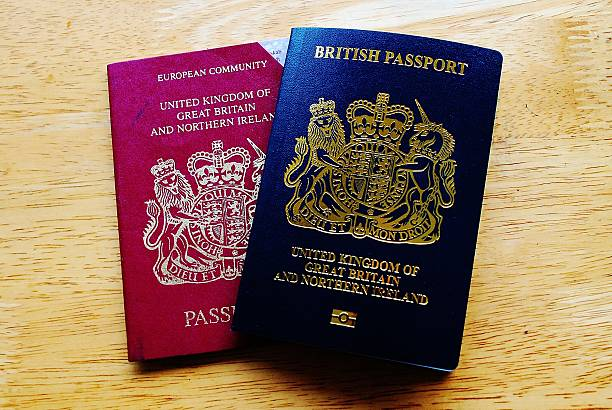
All UK passport holders travelling to Latvia for short stays need ETIAS authorisation once the system launches in late 2026.
This requirement applies regardless of your age, travel purpose, or how long you’ve held your British passport.
UK Citizens Required to Have ETIAS Authorisation
Every category of UK national must complete an ETIAS application before boarding flights to Latvia or any of the 30 participating European countries.
Your passport type determines eligibility, not where you were born or how recently you became a citizen.
The requirement covers British Citizens, British Nationals (Overseas), and British Overseas Territories Citizens travelling for tourism, business meetings or family visits.
British Overseas Citizens, British Protected Persons and British Subjects also need authorisation despite these categories being less common.
Children and infants aren’t exempt from the system. A three-month-old baby needs their own ETIAS linked to their individual passport, though parents complete the application form on their behalf.
The authorisation requirement applies equally whether you’re visiting Riga for a weekend city break or touring multiple Schengen countries for three months. Your reason for travel doesn’t change the need for approval.
UK Dual Nationals: Which Passport to Use
Holding two passports gives you options but requires careful planning when applying for ETIAS. Your choice of travel document affects both your application and which passport you must carry throughout your trip.
If your second nationality comes from an EU member state like Belgium, Bulgaria or Croatia, use that passport instead. EU citizens don’t need ETIAS, so you’ll bypass the system entirely and save the application fee.
Dual nationals with two visa-exempt passports can choose which one to link to their ETIAS application. Pick the passport with the longest remaining validity to maximise your authorisation’s three-year potential lifespan.
You must travel with the exact passport you used in your application. Bringing your British passport if you applied with your Australian passport will get you denied boarding, even if both are valid.
Exemptions: UK Residents Who Don’t Need ETIAS
Certain UK nationals bypass ETIAS requirements based on their residence status or existing documentation. These exemptions recognise that you already have legal status in European countries or hold documents that replace the need for travel authorisation.
UK nationals who are Withdrawal Agreement beneficiaries and hold residence documents from an EU country don’t need ETIAS.
You prove your status with the residence card issued by your host country, and this contact information should be recorded in border systems.
You’re exempt if you hold a valid residence permit or residence card from Latvia or any other EU country. This includes long-term residence permits, student residence cards, and work permits that authorise your stay.
Valid Schengen visa holders don’t need ETIAS because the visa already grants entry permission. The same applies if you hold a national long-stay visa from any participating country.
Holders of diplomatic, service, or special passports may be exempt depending on international agreements. UK diplomatic passport holders should verify their status with the Foreign Office, as exemptions vary by country and passport type.
Transit passengers remaining in the international transit area at Riga Airport don’t need ETIAS. The moment you pass through immigration to enter Latvia, even for an overnight layover, you must have valid authorisation.

Latvia ETIAS Application Process: Step-by-Step Guide
Applying for your ETIAS travel authorisation takes about ten minutes through an online form that you complete before booking flights or accommodation.
The system processes most UK applications instantly, though you should allow extra time in case additional checks are needed.
When to Apply for Your Latvia ETIAS
Submit your application at least two to three weeks before your planned departure date to avoid last-minute complications.
Most approvals arrive within minutes, but the system can request additional documentation or schedule interviews that extend processing to 30 days.
You can apply several months ahead of travel since your authorisation remains valid for three years once issued. Early applications give you certainty when booking non-refundable flights to Riga or pre-paying for accommodation in Jūrmala.
The standard timeline shows decisions within 96 hours for straightforward cases. If authorities need extra documents, you’ll get 10 days to provide them, followed by another 96 hours for a final decision.
Interview requests add the most time to the process. The consulate contacts you to arrange either an in-person meeting or an online video call, then issues a decision within 48 hours after the interview concludes.
Don’t wait until the week before your trip to apply. Technical issues, forgotten passwords or mistyped passport numbers can delay even simple applications, and you can’t board your flight without an approved ETIAS.
Required Documents and Information
Your valid UK passport is the only physical document you need when starting your application. The passport must remain valid for at least three months after you plan to leave Latvia or any other country covered by your ETIAS travel authorisation.
Check that your passport isn’t older than ten years from its original issue date. Some UK passports issued before September 2018 carried up to 15 months of extra validity rolled over from previous passports, which can push the total age beyond 10 years even if the expiry date looks fine.
You’ll type in personal details including your full name exactly as it appears in your passport, date and place of birth and current nationality. The form asks for your home address, email, phone number and both parents’ first names.
Passport information required includes the document number, issue and expiry dates, and issuing authority. Double-check the passport number because confusing the letter ‘O’ with the number ‘0’ is the most common error that leads to boarding denials.
The application asks about your education level and current occupation in dropdown menus. You’ll specify your first intended country of stay in Europe, though you can travel to France, Spain, Lithuania or any of the 30 participating countries once approved.
Security questions cover three areas:
- Criminal convictions for offences punishable by at least one year imprisonment
- Travel to war or conflict zones in the past 10 years
- Whether you’ve been subject to a deportation or removal order.
Answer honestly because false declarations lead to automatic refusal and potential entry bans.
Keep a debit or credit card ready for the €20 payment. The system accepts most major card providers and processes the charge in euros regardless of your card’s home currency.
Completing the ETIAS Application Form
Access the application through the official ETIAS website or mobile app once the system launches in late 2026. The EU will announce the exact web address months before the go-live date to help you avoid fake websites charging inflated fees.
The form appears in English and 23 other EU languages, though you must type all your answers using only Latin alphabet characters. If your name contains accented characters in your passport, the form will guide you on how to represent them.
Work through the sections methodically and use the same spelling, spacing, and punctuation that appears in your passport. The system links your authorisation to your exact passport details, so ‘John Smith’ and ‘John T. Smith’ count as different people.
You can save a draft application and return within 48 hours to finish it. The system emails you a link to retrieve your saved progress, so use an email address you can access from any device.
The review screen shows all your entered information before final submission. Read through each field carefully because you’re declaring that all data and statements are correct, and errors can invalidate your authorisation.
The form takes most people eight to 12 minutes to complete when they have their passport and payment card to hand. Rushing through it in three minutes typically means missed fields or transcription errors.
Application Fees and Payment Options
UK adults aged 18 to 70 pay €20 for ETIAS. Your bank or card provider handles the currency conversion and may add a small foreign transaction fee.
UK travellers under 18 or over 70 get free ETIAS and pay nothing during the application. The system asks for your date of birth and automatically waives the fee for eligible age groups.
Family members of EU citizens can also apply without paying if they’re travelling to join or accompany their EU national relative.
The same exemption applies to family members of nationals from Iceland, Liechtenstein, Norway, or Switzerland who enjoy freedom of movement rights.
The fee is non-refundable regardless of whether your application succeeds or fails. A rejected application doesn’t entitle you to a refund, and you’ll pay again if you reapply with corrected information.
Processing Times and What to Expect
You’ll receive an automatic email confirming your application submission within seconds of completing the form. This email includes your unique ETIAS application number, which you should save for tracking purposes and future reference.
Most British applicants get their approval email within minutes of submitting. The system runs automated checks against security databases, and straightforward applications that raise no flags receive instant authorisation.
Check your email spam folder if you haven’t received confirmation within an hour of applying. Some mail filters treat automated EU emails as junk, especially if you use aggressive spam settings.
The EES (Entry/Exit System) and ETIAS work independently, so your ETIAS approval doesn’t affect how long border registration takes.
You’ll still provide fingerprints and a facial image when you first enter Latvia after the EES launches, which is separate from the ETIAS travel authorisation process.
If you’re familiar with systems like Canada’s ETA, ETIAS follows a similar pattern. You apply before travel, receive electronic approval, and the authorisation links invisibly to your passport without requiring printed documents.

ETIAS Validity and Duration of Stay in Latvia
Your ETIAS authorisation remains valid for three years from the approval date or until your passport expires, whichever comes first.
Once approved, you can enter Latvia and 29 other European countries as many times as you want without reapplying.
How Long is ETIAS Valid?
ETIAS is valid for three years. The three-year validity period starts the moment your application receives approval, not when you first use it for travel.
You could apply in January 2027, not visit Latvia until August 2028 and still have your authorization valid until January 2030, assuming your passport doesn’t expire sooner.
Passport expiry dates override the three-year rule in every case. If your UK passport expires in May 2028 and you get ETIAS approval in June 2027, your authorisation only lasts until May 2028.
Check your passport’s expiry date before applying to maximise your authorisation’s lifespan. A passport expiring in eight months gives you just eight months of ETIAS validity, whilst one valid for ten years provides the full three-year period.
Renewing your passport cancels your existing ETIAS because the authorisation links to your specific passport number. You’ll need to apply again with your new passport details, paying another €20 fee even if your original ETIAS hadn’t expired yet.
Duration of Stay Permitted in Latvia with ETIAS
The 90/180 rule governs how long you can remain in Latvia and all other participating countries combined. You’re allowed up to 90 days within any rolling 180-day period, calculated across every country that requires ETIAS from visa-exempt travellers.
The 180-day period rolls continuously rather than resetting on fixed dates like calendar months or years. If you spent 30 days in Latvia during March, those days count in your calculation until early September, exactly 180 days later.
Your 90 days don’t need to be consecutive. You could visit Riga for two weeks in April, return to the United Kingdom for three months, then spend another month touring Finland and Germany in August, and you’d still be within limits.
Tracking your days becomes critical if you make multiple trips. The EU provides online calculators that help you determine how many days you have remaining in any 180-day window.
Cyprus operates under different rules that don’t affect your Latvia travel plans. Time spent in Cyprus doesn’t count towards your 90-day limit in other ETIAS countries, and your Cyprus days are calculated separately under a bilateral agreement.
This means you could spend 90 days in Latvia, then visit Cyprus for another 90 days, without violating either country’s rules. The separation only applies to Cyprus, whilst Ireland remains outside the ETIAS zone entirely.
Overstaying your 90-day allowance triggers serious consequences. Border authorities share biometric data and entry records across the ETIAS system, so attempting to exceed your limit gets flagged immediately.
Renewing Your ETIAS Authorisation
You’ll receive an email notification 120 days before your ETIAS expires, giving you ample time to submit a renewal application. The renewal process is identical to your original application, requiring you to complete the full form again with current information.
Previous ETIAS approval doesn’t guarantee automatic renewal. Your new application goes through the same security screening as first-time applicants, and authorities may request additional information or documentation.
You can submit your renewal whilst your current ETIAS remains valid, and there’s no penalty for applying early. Some travellers renew at the four-month warning point to ensure continuous coverage without gaps.
Keep your travel insurance and travel plans flexible around renewal periods if your ETIAS expires during planned trips. An expired authorisation means you cannot board return flights home through ETIAS countries, even if you entered legally.
Your Latvia ETIAS Journey Starts Here
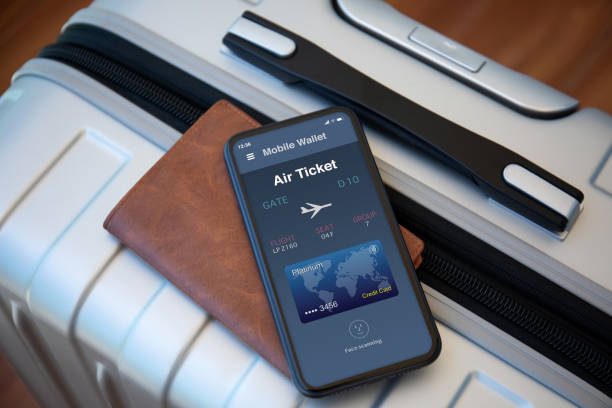
ETIAS brings a straightforward new step to UK travel in Latvia, replacing post-Brexit complexity with a 10-minute online application and €20 fee that under-18s and over-70s skip entirely.
Your three-year authorisation unlocks unlimited entries to Latvia and 29 other European countries, letting you visit Riga’s Art Nouveau district, explore Gauja National Park or hop between Baltic capitals without reapplying.
Apply two to three weeks before your first trip, ensure your passport stays valid throughout your planned travels and you’ll have seamless European access until 2030.