

ETIAS Bulgaria: What UK Travellers Need to Know Before 2026

Travel from the UK to Bulgaria is set to change with the introduction of ETIAS, a new pre-travel authorisation for visa-exempt visitors to European countries.
Expected to begin in late 2026, ETIAS will be required for short stays in Bulgaria, Cyprus, and other European Union destinations.
This guide explains the key requirements, eligibility rules and timelines to help you prepare.

What is ETIAS and Why is it Being Introduced?
The European Travel Information and Authorisation System (ETIAS) is a new security screening tool being rolled out by the EU.
Starting in late 2026, travellers from visa-exempt countries like the UK will need to apply for an ETIAS before visiting Bulgaria and other participating European countries for short-term stays.
ETIAS Explained in Simple Terms
ETIAS is not a visa. It is a digital pre-authorisation linked to your travel document and required before entering Bulgaria, Romania, or any other country applying the system.
If you’re planning a holiday or business trip, and your stay is under 90 days within any 180-day period, you will need to complete an online ETIAS application before departure. The system checks your details against international security databases and determines if you pose any risks.
Once approved, your ETIAS is valid for three years or until your passport expires. You can enter the Schengen Area and select non-Schengen countries multiple times, as long as you stay within the authorised time limit.
The goal is to make border checks more efficient and reduce the need for full visa applications for low-risk travellers.
Here’s a quick comparison:
| Feature | ETIAS | Schengen Visa |
| Who it applies to | Visa-exempt nationals (e.g., UK citizens) | Visa-required nationals |
| Application type | Online pre-authorisation | Full visa application |
| Validity | Three years or until passport expiry | Usually up to 90 days per trip |
| Processing time | Minutes to a few days | Weeks (depending on consulate) |
| Cost | €20 (free for under 18s/over 70s) | Varies (€80 for most applicants) |
Why ETIAS Matters for UK Travellers
Before Brexit, UK nationals had free movement in the EU. That is no longer the case.
Now, the UK is treated like other visa-exempt countries, which means travellers must follow the same rules as citizens of Canada, Australia or Japan. ETIAS is part of that shift.
If you’re visiting Bulgaria from the UK for a short-term holiday, business meeting or family trip, you will be screened through ETIAS before you go. This includes travellers entering by plane, car, train, or ferry.
Border authorities will use ETIAS to run automatic checks across European security systems, including Interpol and Europol databases. This is where ETIAS connects with the Entry/Exit System (EES), which logs biometric data and stamps every time you cross the EU’s external borders.
ETIAS aims to identify travellers who pose a potential security, migration, or health risk. If your application is flagged, you may be asked to provide more details or be referred to national authorities for review.
It also reduces overstay cases by enforcing the 90 days in a 180-day period rule more effectively. That limit applies to your total time across all countries requiring ETIAS.
This is especially important for travellers doing multi-country trips. For example, if you spend 60 days in France and then move to Bulgaria, you only have 30 days left on your ETIAS stay clock within that 180-day period.
Do UK Travellers Need ETIAS for Bulgaria?
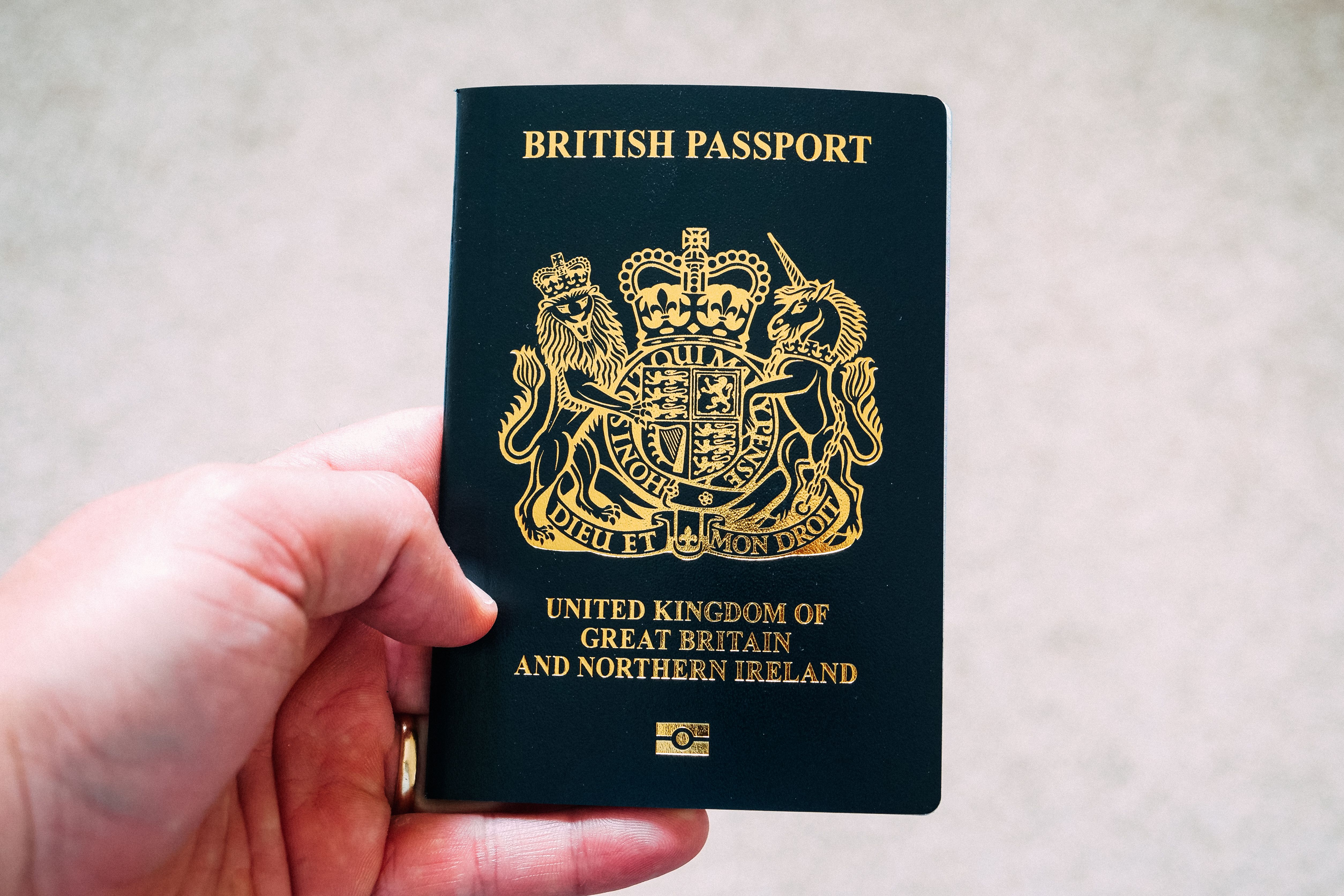
From late 2026, all UK citizens travelling to Bulgaria for short stays will need an ETIAS travel authorisation. This applies even if your trip is for tourism, business or transit, and includes travel to other visa-free European countries like Spain or Switzerland.
Eligibility and Who Must Apply
UK nationals will be required to hold an ETIAS authorisation before entering Bulgaria. This includes British passport holders travelling with standard UK passports, as well as those holding British Overseas, British Protected Person, and British Subject status.
The only UK citizens exempt are those covered under the Withdrawal Agreement and living in the EU with documentation proving their status. If you live in Austria or another EU country and hold residence documents issued under the agreement, you will not need ETIAS for short trips within the EU.
ETIAS will be mandatory for anyone entering Bulgaria without a visa under the EU’s visa-free scheme. It applies to both direct travel to Bulgarian territory and arrivals through other ETIAS countries like Greece or Belgium.
Here’s a quick breakdown:
| Category | Needs ETIAS for Bulgaria? |
| UK tourist (British passport) | Yes |
| UK business traveller | Yes |
| UK student (short-term course) | Yes |
| UK long-term resident in Spain (with Withdrawal Agreement document) | No |
| Dual UK/EU citizen using EU passport | No |
| UK national with Bulgarian visa | No (visa rules apply) |
Types of Trips Covered by ETIAS
ETIAS is designed for short-term travel. It covers up to 90 days within a 180-day period across all participating European countries, including Bulgaria.
You can use it for tourism, family visits, business events, medical treatment or transit. You do not need to show hotel bookings or return tickets during the application process, but you must be able to justify your travel purpose at the border if asked.
It does not allow you to work, live, or study long-term in Bulgaria. For that, you’ll need a Bulgarian visa or residence permit from the national authorities.
Common examples of trips that require ETIAS:
- A summer holiday to the Black Sea coast
- A short business meeting in Sofia
- Visiting friends or family in Plovdiv
- Travelling overland from Romania into Bulgaria
- Transiting through Bulgaria on your way to Finland or Iceland
If you plan to visit several countries on one trip, your total time spent in all ETIAS countries must not exceed 90 days in any 180-day period.
What About Dual Nationals?
If you hold both UK and EU nationality, and travel using your EU passport, you do not need ETIAS. That includes Irish citizens or people with dual UK-Italian, UK-Polish or UK-Bulgarian nationality.
If you use your UK passport, you must apply for ETIAS regardless of your other citizenships.
This is especially relevant for UK citizens with family ties in Europe who travel frequently. You should always use the passport that matches your planned entry route to avoid delays.

When Will ETIAS for Bulgaria Start? (Timeline and What to Expect)
ETIAS is scheduled to launch in the last quarter of 2026, with a firm date expected to be announced by the European Union several months in advance.
Once active, UK travellers will need to complete the ETIAS application before entering Bulgaria or any participating EU member states.
ETIAS Launch Date and Rollout
The European Commission has confirmed that the ETIAS will begin operations in late 2026. As of now, no exact date has been published on official channels like Europa.eu, but a final announcement will come closer to launch.
This will give travellers time to adjust their plans and apply before the system becomes a condition for entry. The EU intends to allow applications once the system is live, not before.
The rollout will happen across all 30 participating European countries at once. This includes Cyprus and all Schengen Area nations.
Here’s a simplified timeline based on current information:
| Timeline Phase | What to Expect |
| Now – mid-2026 | No ETIAS needed |
| Late 2026 (exact date TBA) | ETIAS becomes mandatory for visa-free travellers, including UK |
| Post-launch (2026 onwards) | ETIAS required before boarding transport to Bulgaria |
Until then, UK passport holders can travel to Bulgaria without an ETIAS. But once it’s enforced, airlines, ferry operators, and land transport companies will check your ETIAS status before letting you board.
What UK Travellers Should Do Before 2026
Although applications aren’t open yet, there are key steps you can take now to prepare. First, check that your travel document will still be valid by the time you plan to visit.
Your passport must be issued within the last 10 years and valid for at least three months after you leave Bulgaria. This will be part of the standard entry requirements once ETIAS becomes active.
It’s also worth staying informed through the European Commission’s travel websites and official ETIAS pages on Europa. This will ensure you don’t miss the launch announcement or updates to the application process.
You can also subscribe to alerts or follow official social media accounts used by EU member states for travel updates. These will be the fastest channels to confirm when applications open and what documentation is needed.
Here’s a basic pre-launch checklist for UK travellers:
- Check your passport’s issue and expiry dates
- Bookmark the official ETIAS page on Europa.eu
- Plan any trips before late 2026 if you want to avoid applying
- Watch for updates from Bulgarian border authorities or airlines
- Avoid unofficial ETIAS sites that charge high fees or collect data early
Once ETIAS is active, applying last minute could delay your trip. While most applications are processed quickly, extra checks can take up to 30 days. Applying at least two weeks before travel will reduce the risk of delays at the border.
The system will work alongside the EES, which logs traveller movements and replaces physical passport stamps. Both tools are part of the EU’s shift toward digital border controls and risk-based screening for visa-free travellers.

What UK Travellers Need to Apply for ETIAS Bulgaria
To apply for ETIAS, UK travellers will need a valid passport, a payment method, and access to the online application form. You will also be asked to provide basic personal details, travel plans, and information related to security and health.
Required Documents
The main document you need is a UK passport that meets EU entry conditions. It must be no older than 10 years and valid for at least three months after you leave Bulgaria.
The passport must be biometric, machine-readable, and accepted by countries participating in ETIAS. These include Bulgaria, Malta, Luxembourg, Liechtenstein, and others in the Schengen zone or planning to join it.
If you hold any additional nationalities—such as Ireland or another EU country—you must apply with the same passport you plan to use when crossing the border.
If your travel document does not meet international standards, your application could be delayed or rejected. Carriers may also refuse boarding if your document does not match the one used during the ETIAS application.
You will also need a debit or credit card to pay the €20 application fee. This fee is waived for travellers under 18 or over 70.
Information You Must Provide in the Form
The online ETIAS application form asks for personal and travel-related information. It is completed through the official EU website or the mobile app once the system goes live.
You will be asked for your full name, date and place of birth, home address, contact details, and nationality. You must also provide your parents’ first names, even if they are deceased.
Your passport number and issue/expiry dates must be entered exactly as they appear in your document. A mismatch could cause delays or result in a refusal.
In addition to identity information, you will be asked about your education level and current occupation. You’ll also need to declare the first ETIAS country you plan to visit, even if you later change your itinerary.
Security questions include details about past criminal convictions, time spent in war zones, or any orders to leave a country in recent years. You must answer truthfully, as your answers are checked against EU security databases.
The form also requires that you confirm the accuracy of the data and agree to follow EU entry conditions. These include being able to justify your stay and showing documents like return tickets or accommodation if asked at the border.
If you are applying for someone else, such as a child, you must confirm your legal authority to do so. This applies to parents, guardians, or any person submitting an application on behalf of another traveller.
Application Fee and Payment
The standard ETIAS fee is €20. Payment is made online as part of the application process.
You can use most debit or credit cards, and the transaction is processed securely. No cash or bank transfers are accepted.
As noted earlier, the fee does not apply to minors, seniors over 70, or qualifying family members of EU citizens with free movement rights.
Always make sure the payment method is in your name and the email address used is one you can access during your trip. All status updates about your application are sent by email only.

How ETIAS Will Affect Travel to Bulgaria
ETIAS will change how you enter Bulgaria by adding a mandatory pre-travel authorisation for UK citizens and other visa-exempt travellers. It won’t replace your passport or a visa but will become a standard part of planning any short visit.
Entry Rules Once ETIAS Becomes Mandatory
Once the system is live, border checks will start with a digital scan to confirm you have a valid ETIAS linked to your passport. If you don’t have one, you won’t be allowed to board your flight, ferry, train or bus heading to Bulgaria.
Your ETIAS will be checked at all external border points, including land routes from Serbia or Romania and airports like Sofia and Burgas. Carriers will also verify your ETIAS status before departure, reducing delays at passport control.
Approval through the official ETIAS website does not guarantee entry. Border officers may still ask questions about your trip or request documents to prove your plans, finances or accommodation.
ETIAS is part of a wider update to EU travel rules, which will work alongside biometric checks under the EES. This is already being rolled out in other countries like Sweden, Norway and Croatia.
Length of Stay and Multi-Entry Benefits
Your approved ETIAS lets you stay in Bulgaria and other ETIAS countries for up to 90 days in any 180-day period. The authorisation stays valid for three years, or until your passport expires.
You can travel to Bulgaria more than once using the same ETIAS, as long as you stay within the time limit. The rule applies to your total days across all ETIAS countries, not just Bulgaria.
If you enter through Germany, travel to Norway, and finish your trip in Bulgaria, the combined time still counts toward the 90-day total. There is no reset if you cross from one country to another.
This makes ETIAS useful for multi-country trips, especially for travellers planning stops across eastern and western Europe.
If you reach the 90-day limit, you must leave all ETIAS countries and wait until the 180-day period resets. Staying longer can result in fines or entry bans.
Always track your travel dates across borders, especially if you’re combining tourism, work meetings or family visits. ETIAS does not allow extensions or overrides for short-term stays.

How ETIAS Works With the Entry/Exit System (EES)
ETIAS and the EES are separate tools, but they will work together to manage the movement of non-EU travellers entering countries like Bulgaria.
Once both systems are fully operational, you’ll need a valid ETIAS before your trip, and EES will record your entry and exit automatically at the border.
EES and ETIAS: What UK Travellers Should Know
The EES became operational in October 2025, with full rollout planned by April 2026 across 30 participating countries, including Bulgaria. The system applies to all non-EU travellers, including UK nationals, who enter for a short stay of up to 90 days in any 180-day period.
When you arrive in Bulgaria or any EES country, your passport will be scanned at an automated kiosk or by a border guard. This replaces the manual passport stamp and logs your entry and exit dates into a shared EU database.
ETIAS will not replace EES. Instead, ETIAS acts as a pre-travel check to approve your visit, while EES tracks when and where you cross the border.
| System | Purpose | When it’s Used |
| ETIAS | Pre-authorisation for visa-free travel | Before departure |
| EES | Digital record of border crossings | When entering or exiting |
If you don’t have a valid ETIAS, you won’t be allowed to travel. If your ETIAS is approved but your entry details don’t match (e.g. you use a different passport), the EES will record an error or refusal.
EES also monitors overstays by calculating how long you’ve stayed in third countries that require ETIAS. If you exceed the 90-day limit, that information is stored and shared with national authorities, which could affect future travel.
What This Means When Entering Bulgaria
Once the EES is fully in place, crossing into Bulgaria will involve an automated scan of your biometric data and passport. This will confirm that your ETIAS is valid and you are still within your allowed stay period.
You may be asked to verify your intended return date or show evidence of accommodation or funds. Border guards still make the final decision on whether to let you in, especially if your previous EES record shows irregularities.
The system also allows quicker processing for repeat travellers. If your details are unchanged, border checks will be faster on your next visit.

Common Questions UK Travellers Have About ETIAS Bulgaria
ETIAS is new, and many UK travellers have questions about how it works, who it applies to, and what happens if something goes wrong. This section covers the most common queries so you can plan your travel to Bulgaria with clarity and confidence.
Do children need ETIAS to enter Bulgaria?
Yes, all UK citizens travelling to Bulgaria will need ETIAS, regardless of age. This includes babies and minors, even if they are listed on a parent’s passport.
Each child must have their own ETIAS application submitted by a parent or legal guardian. The authorisation is free for travellers under 18.
What happens if my passport is replaced after getting ETIAS?
ETIAS is electronically linked to your passport, not your identity alone. If you get a new passport, you must apply for a new ETIAS.
Your previous approval cannot be transferred or reused. Always check your passport’s expiry before applying to avoid having to reapply sooner than necessary.
What if I make a mistake on my ETIAS application?
Once submitted, ETIAS applications cannot be edited. If you notice an error—such as a misspelled name or incorrect travel document number—you’ll need to submit a new application and pay the fee again.
Incorrect information may result in refusal at the border. To avoid this, review the application carefully before confirming submission.
Can I travel to other countries using the same ETIAS?
Yes, a single ETIAS covers all 30 participating countries. These include Schengen states and non-Schengen members like Cyprus.
You can use your ETIAS to visit countries like France, Austria, or Slovenia on the same trip. Just make sure your stay across all countries does not exceed 90 days in a 180-day period.
What happens if my ETIAS application is refused?
If your ETIAS is denied, you’ll receive an email explaining the reason and outlining your right to appeal. The message will include the name of the national authority responsible for the refusal and a deadline for lodging your appeal.
You cannot travel until the issue is resolved or a new application is approved. Refusals usually happen due to security concerns, incomplete information or invalid travel documents.
Can I use ETIAS for airport transit through Bulgaria?
Yes, if you’re passing through a Bulgarian airport and staying in the international transit zone, ETIAS is still required. Even for short stopovers or connections, the authorisation is mandatory for non-EU nationals.
If you leave the airport or enter Bulgarian territory during transit, the 90-day rule applies. Make sure your travel plans are clear when submitting your application.
Will ETIAS affect my entry at land borders?
Yes, ETIAS will be checked at land, sea and air borders equally. Whether you drive into Bulgaria from Serbia or arrive by train from Romania, border officers will verify your ETIAS and your passport.
This helps standardise border management across all entry points. Digital checks replace physical passport stamps but still allow border guards to deny entry if rules are not met.
Can I apply for ETIAS from anywhere?
Yes, you can apply from any location with internet access. The application is completed online through the official ETIAS platform or mobile app.
You don’t need to be in the UK or in Europe to submit the form. Just ensure you apply early enough to allow time for approval before your travel date.

Get Ready for ETIAS Bulgaria
With ETIAS set to launch in late 2026, preparing early is key to avoiding travel delays. This new system will make short-term visits to Bulgaria smoother while enhancing border security across Europe.
Check your passport’s validity, follow official updates, and be ready to apply once the system opens. Stay informed about ETIAS Bulgaria so you’re fully prepared for travel from the UK once the system launches.