
EES Chaos: Four-Hour Airport Queues Loom this Summer
Feb 19, 2026
Category: Uncategorised
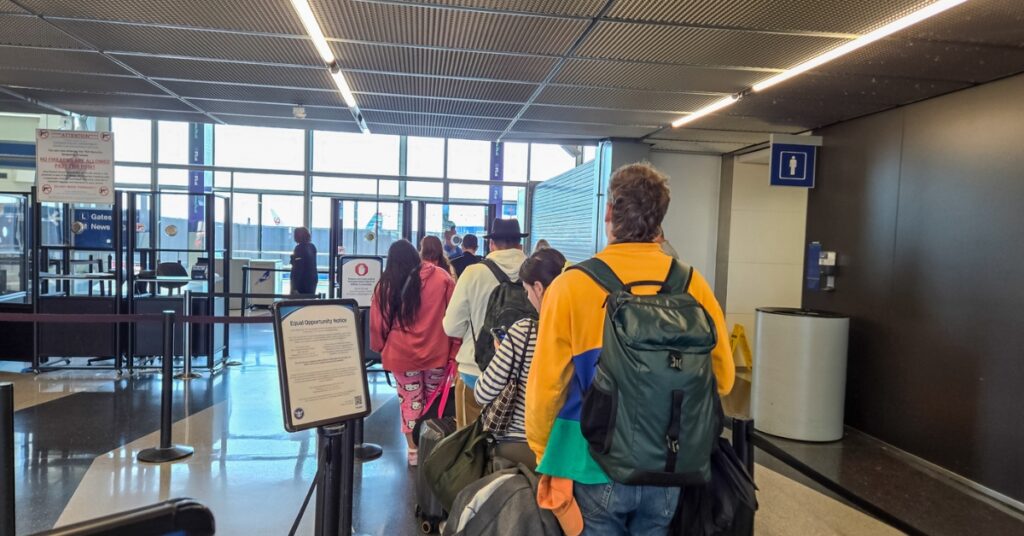
Airports and airlines have warned that the European Union’s (EU) new Entry/Exit System (EES) could trigger queues of up to four hours at Schengen borders this summer as peak travel season approaches.
Industry groups said that ongoing delays, understaffing and technical issues during the rollout risk severe disruption for British and other non-EU passengers entering Europe.
Border lines stretch
Airports and airlines said that the EES rollout is already causing long waits at border control, with queues of up to two hours reported during the current phased launch.
In a joint warning issued in Brussels on 11 February, ACI EUROPE, Airlines for Europe and the International Air Transport Association said that delays could stretch to four hours or more once the system fully applies during July and August.
The groups wrote to Magnus Brunner, the EU Commissioner for Internal Affairs and Migration, urging urgent action before peak summer traffic doubles at many European airports.
They said that the current approach risks severe disruption for passengers entering the Schengen area.
Need for breathing room
The organisations asked the European Commission to confirm that Member States can partially or fully suspend EES until the end of October 2026.
Under Regulation 2025/1534, suspension mechanisms tied to the phased rollout may no longer be available beyond early July.
In their statement, Olivier Jankovec, Director General of ACI EUROPE, Ourania Georgoutsakou, Managing Director of Airlines for Europe, and Thomas Reynaert, IATA’s Senior Vice President for External Affairs, said that there is “a complete disconnect between the perception of the EU institutions that EES is working well, and the reality, which is that non-EU travellers are experiencing massive delays and inconvenience”.
They added: “We need to be realistic about what will happen during the peak summer months, when traffic at Europe’s airports doubles. The rollout of EES must be flexible to react to operational realities.”
Biometrics slow arrivals
The EES requires non-EU nationals, including British passport holders, to provide fingerprints and facial biometrics on their first entry into the Schengen zone.
It replaces manual passport stamping with a digital system that records entries and exits electronically.
Airports and airlines said that 35% of third-country nationals must currently be registered during the progressive rollout phase. They warned that full mandatory registration at every crossing during the busiest weeks of summer would push waiting times far beyond current levels.
Queues build before peak
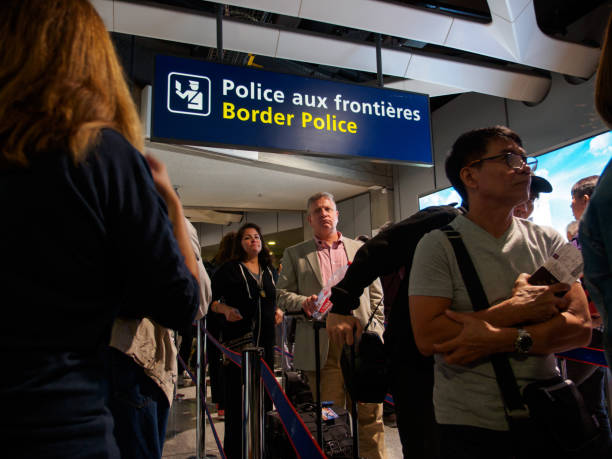
The aviation groups reported persistent waiting times of up to two hours at airport border control under the present system.
They identified chronic understaffing at border checkpoints, unresolved technology issues and limited uptake of the Frontex pre-registration app by Member States as factors compounding delays.
Simon Calder, travel correspondent at The Independent, reported that industry leaders feared that British passengers could face four-hour waits at EU borders this summer. He noted that current delays are happening even before full implementation.
The European Commission said that the EES has been “successfully launched” and is operating “largely without issues”, adding that it strengthens border security and allows flexibility for Member States to manage implementation.
Upcoming border shift
The EES sits alongside the European Travel Information and Authorisation System (ETIAS), which is due to start operations in the last quarter of 2026.
According to the EU’s official ETIAS site, around 1.4 billion people from 59 visa-exempt countries will need a travel authorisation to enter 30 European countries for short stays.
ETIAS is linked to a traveller’s passport and is valid for up to three years or until the passport expires, whichever comes first. It allows short stays of up to 90 days in any 180-day period but does not guarantee entry, as border guards still verify conditions on arrival.
While ETIAS applies before travel and EES records entries and exits at the border, both systems form part of the EU’s shift towards digital border management.
Travellers from visa-exempt countries will first apply online for ETIAS authorisation, then provide biometric data under EES on arrival.
Schengen visa rules remain unchanged for travellers who already require a visa to enter the area. The EES will still record their entry and exit data, replacing passport stamps with electronic records.
Migration rules tighten oversight
The EES also affects how EU countries monitor short-term stays under existing immigration rules. By logging entry and exit data electronically, authorities can calculate more precisely whether a traveller has exceeded the 90-day limit within a 180-day period.
This automated record reduces reliance on manual passport stamps, which can be unclear or incomplete. It also allows Member States to share real-time data across the Schengen area through centralised systems managed at EU level.
The European Commission has said that the EES strengthens border security by improving oversight of overstayers and identity checks. Airports and airlines have not challenged the legal basis of the system but have focused on operational readiness at busy external borders.
Summer surge to test system
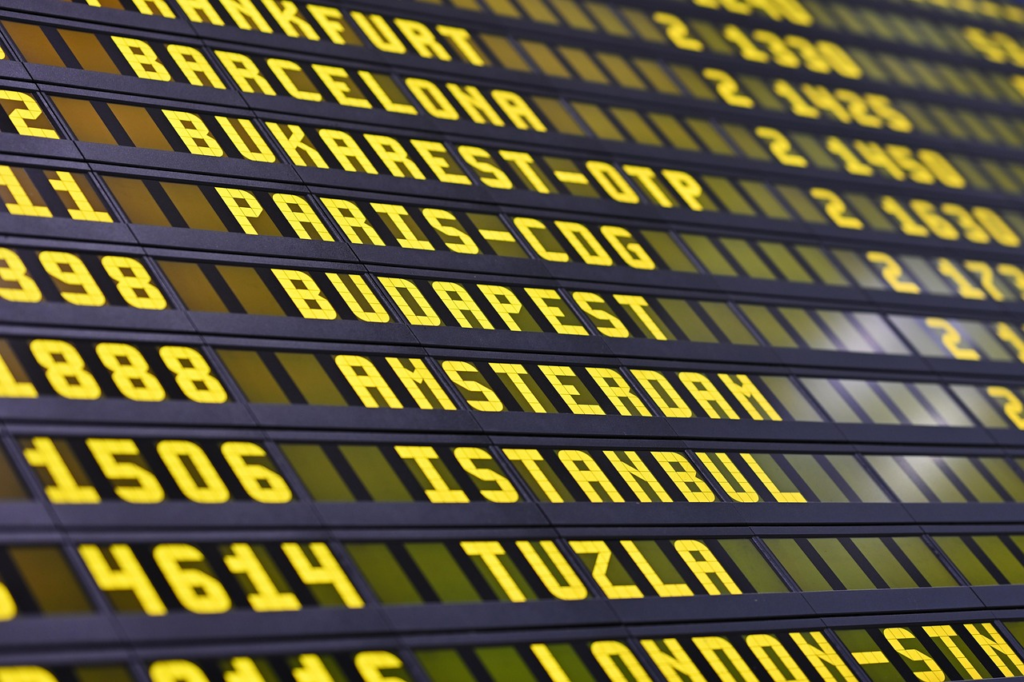
July and August are the busiest months for European aviation, with holiday travel driving passenger numbers sharply higher. Airports in countries including Spain, Italy and Greece typically see traffic double compared with quieter seasons.
Industry leaders said that border bottlenecks during this period can delay boarding, disrupt connections and affect flight schedules across networks.
Airlines for Europe’s members carried more than 771 million passengers in 2024, while ACI EUROPE represents over 600 airports handling the vast majority of Europe’s commercial air traffic.
Security push meets pressure
The Commission has framed the EES as a move to modernise border management and tighten oversight across the Schengen area. By collecting biometric data, authorities can track overstays and monitor short-term visits more closely.
Airports and airlines said that they support digital systems but want a rollout that reflects operational limits during high-traffic periods.
In their joint comments, the industry leaders said that the reputation of the EU as “an efficient, welcoming and desirable destination” could suffer if travellers face hours-long queues.
Travellers brace for delays
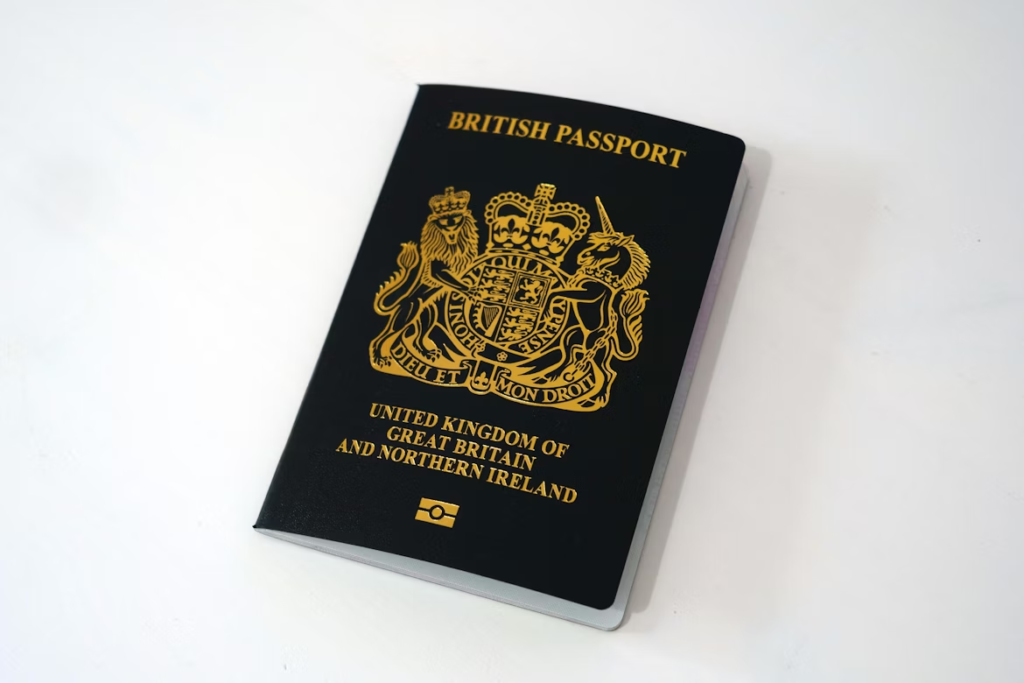
For British holidaymakers, the EES marks another shift in post-Brexit travel rules. First-time entrants to the Schengen area under the system must allow extra time for biometric registration at the border.
Travel operators are advising passengers to arrive earlier than usual and prepare for possible delays. Airports are reviewing staffing levels and border layouts as summer timetables approach.
Peak season showdown
With peak travel weeks approaching, aviation groups are pressing for clear assurances that flexibility will remain if queues escalate. The Commission maintains that the system is functioning and that Member States have tools to manage implementation.
Whether adjustments come in time will become clear as millions of non-EU travellers pass through Europe’s external borders this summer.