

Spain ETIAS Requirements for UK Travellers: A Complete Guide for Short Stays
In the fuyture, British travellers heading to Spain will need ETIAS, a new travel authorisation for visa-exempt visitors to European countries. It is not a visa but a digital clearance linked to your travel document.
This guide explains ETIAS rules for Spain, eligibility, documents and the 90-day limit within any 180-day period.

What is ETIAS and Why UK Travellers Need it for Spain
ETIAS is a digital travel authorisation that UK citizens must obtain before visiting Spain for short stays. It forms part of a wider EU security framework and becomes a mandatory step before you travel.
The European Travel Information and Authorisation System is designed to screen travellers from visa-exempt countries before arrival. It applies to British passport holders visiting Spain and other European Union states within the Schengen Area for up to 90 days in any 180-day period.
Spain’s Participation in the ETIAS System
Spain is one of the countries that requires ETIAS for short visits. If you travel for tourism, business meetings, family visits or short study stays, you must complete the application process online before departure.
ETIAS works alongside the Entry/Exit System (EES). Spain is listed among the countries registering non-EU nationals at external borders.
The EES records entries and exits electronically instead of stamping passports. Together, ETIAS and the EES strengthen border control and help authorities verify entry requirements more efficiently.
ETIAS is not a visa and does not grant the right to work or settle. It simply confirms you meet basic security and migration criteria before travel.
Who Among UK Travellers Must Apply for ETIAS
If you hold a standard British passport and plan to visit Spain for a short stay, you must apply for ETIAS once it is in force. This applies whether you travel for leisure, business or unpaid study.
You must use a valid biometric passport, as ETIAS is electronically linked to your travel document. The authorisation is checked by carriers before boarding and by border guards on arrival.
You do not need ETIAS if you hold a valid residence permit issued by an EU country or if you qualify under specific withdrawal arrangements. In all other short-stay cases, ETIAS forms part of the standard entry requirements for the Schengen Area.
If you plan to stay in Spain for more than 90 days, ETIAS will not be sufficient. In that case, you must follow Spain’s national visa rules instead.
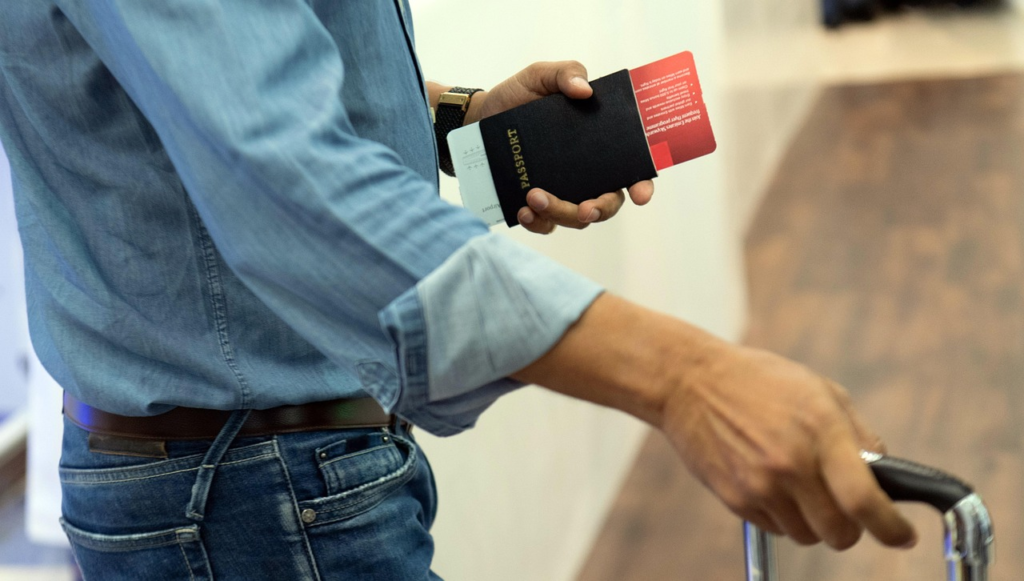
Spain ETIAS Eligibility and Passport Requirements for UK Citizens
To visit Spain under ETIAS, you must meet specific eligibility rules and hold a compliant passport. Your ETIAS travel authorisation is linked directly to that passport, so accuracy and validity are essential.
Passport Validity Rules for Travel to Spain
You must travel on a valid British passport that meets Schengen standards. It must be issued within the last 10 years and remain valid for at least three months after your planned departure.
Your passport details must match exactly with the information submitted in your ETIAS application. Any mismatch can lead to boarding refusal or problems meeting entry conditions at the border.
If you renew your passport after approval, you must submit a new ETIAS application. The authorisation cannot be transferred to a new document.
The 90/180-Day Short Stay Rule in Spain
As a UK citizen, you can stay in Spain and other Schengen states for up to 90 days within any 180-day period. This rule applies across the entire Schengen Area, including Austria and Switzerland.
Time spent in Spain counts together with days in other participating countries. A stay in Cyprus is calculated separately, as it is not yet fully part of the Schengen short-stay calculation.
The 180-day period works on a rolling basis. Each day you remain in the area counts backwards to assess whether you exceed the 90-day limit.
If you overstay, you risk fines, entry bans or future refusal of an ETIAS travel authorisation. Border authorities will assess compliance when you leave and re-enter.
Situations Where ETIAS is Not Sufficient
ETIAS applies only to short visits for tourism, business meetings, transit or short study stays. If your purpose of travel falls under visa-required categories such as employment or long-term study, you must apply for a national visa instead.
You also do not need ETIAS if you are travelling on a valid passport issued by an EU country or Ireland. Dual nationals must use the passport that matches their status.
Certain family members of EU citizens may qualify for specific exemptions under EU free movement rules. In those cases, you may not need to pay the application fee, though you still complete the application form through the official ETIAS website.
You must meet all standard entry conditions even with an approved authorisation. ETIAS confirms pre-travel screening but does not replace checks carried out at the border.

How to Apply for Spain ETIAS from the UK
You apply for Spain ETIAS online before you travel from the United Kingdom. The process is digital, short, and required for visa-free visits to Spain and other Schengen countries.
Step-by-Step Application Process
You complete your application through the official ETIAS platform using a computer or mobile device. The form asks for personal details, passport information and basic security answers.
The main steps are simple:
- Enter personal and passport details
- Provide travel plans and first country of entry
- Answer background questions
- Pay the fee online
- Receive confirmation by email
You must submit the form yourself or authorise someone to do it on your behalf. Most applicants receive a decision quickly, though some cases take longer.
ETIAS covers short stays across the Schengen countries, not just Spain. That includes destinations such as France, Italy, Malta, Norway and Iceland.
Information and Documents Required
You need a valid British passport and an email address you can access. The system links your authorisation to your passport electronically.
You will be asked to provide:
- Full name, date and place of birth
- Passport number and expiry date
- Home address and contact details
- Intended first country of stay
- Basic travel plans
You must also answer questions about criminal convictions, previous immigration decisions and travel to conflict zones. These checks apply to travellers from the United Kingdom as well as other visa-free countries such as Australia.
You do not usually need to upload documents at the start. Authorities may request extra information if further checks are required.
Application Fee and Processing Times
You pay a standard fee online using a debit or credit card. The table below outlines the cost rules:
| Category | Fee |
| Adults aged 18 to 70 | Standard ETIAS fee |
| Under 18 | No fee |
| Above 70 | No fee |
The fee is separate from any future Schengen visa, which is required only if you plan to stay longer or do activities not covered by ETIAS. ETIAS itself is designed for short-term visa-free travel.
Most applications are processed within minutes. Some may take up to several days if additional review is needed.
Apply well before your departure date. Do not wait until you arrive at the airport, as you must hold a valid authorisation before boarding your flight to Spain.

Travelling to Spain with an Approved ETIAS
With an approved ETIAS, you can travel to Spain for short stays under the 90-day rule. You must still meet all entry conditions on arrival, as the authorisation does not guarantee automatic admission.
What Happens at the Border in Spain
When you arrive in Spain, your passport is checked against the ETIAS system. Border checks confirm that your details match and that your stay falls within the permitted period.
Border officers may ask for supporting evidence at border crossings. You should be ready to show:
- Proof of return or onward travel
- Accommodation details
- Evidence of sufficient funds
- Travel insurance, if requested
ETIAS applies across Schengen member states, so your authorisation is valid beyond Spain. The same rules apply if you later travel to countries such as Croatia, Luxembourg or Liechtenstein during the same trip.
The European Commission states that border authorities retain the final decision on entry. Even with approval, you can be refused if you do not meet the required conditions.
Visiting the Canary Islands and Balearic Islands
Your ETIAS covers all Spanish territory, including the Canary Islands and the Balearic Islands. Domestic flights within Spain do not require additional authorisation once you have entered legally.
Time spent in these regions counts towards your 90-day allowance. There is no separate calculation for islands within Spain.
If you enter Spain and then continue to other Schengen destinations, the total days remain cumulative. Short trips between countries do not reset the clock.
Common Mistakes UK Travellers Should Avoid
Many issues arise from simple errors rather than complex rules. Avoid last-minute assumptions about what ETIAS allows.
The table below outlines common mistakes and their consequences:
| Mistake | Possible Outcome |
| Travelling with a different passport | Refused boarding or entry |
| Overstaying 90 days | Fines or future entry bans |
| Providing incorrect personal data | Delays or refusal at the border |
| Ignoring proof of funds | Questioning during checks |
Do not assume that approval works like entry rules in countries such as Canada. ETIAS authorisation is part of a shared system across member states, and compliance is monitored electronically.
You remain responsible for respecting the stay limit and carrying valid documents throughout your trip. Careful planning reduces the risk of disruption during travel to Spain.

Special Cases and Frequently Asked Questions
This section covers situations that do not fit the standard travel profile. If your circumstances differ from a typical short holiday, you need to check how the rules apply to you.
Dual British and EU Nationality
If you hold both British and EU citizenship, you should travel using your EU passport. In that case, you do not need ETIAS for short-term stays in Spain or other participating countries.
You must enter and exit using the same passport. Border authorities assess your status based on the document you present.
The table below explains how nationality affects your requirement:
| Passport Used | ETIAS Required |
| British passport only | Yes |
| EU passport | No |
| Both but travelling on EU passport | No |
| Both but travelling on British passport | Yes |
Make sure your passport is a valid travel document and not expired. Entry decisions rely on the document scanned at the border.
Lost or Renewed Passport Before Travel
If you lose your passport after approval, your ETIAS becomes invalid. You cannot travel until you obtain a new passport and apply again.
The same rule applies if you renew your passport for any reason. The authorisation is linked to the original passport number and cannot be transferred.
You must submit a fresh application with updated details, including your current phone number and contact information. Check all data carefully before submission.
If you travel with the wrong passport, you risk being refused boarding. Airlines verify passport details before departure.
What to Do if a Spain ETIAS Application is Refused
If your ETIAS request is refused, you will receive a notification explaining the reason. The decision will also outline your right to appeal and the authority responsible.
Common refusal reasons include inaccurate personal details, security concerns or past immigration violations. Previous overstays in countries such as Greece or Sweden may affect the outcome.
You can choose to appeal the decision within the specified timeframe. You may also submit a new application if your circumstances have changed.
ETIAS applies to nationals from many visa-exempt countries, including travellers from Ukraine who qualify under relevant rules. Approval remains mandatory for eligible travellers planning short-term stays in Spain.
Get Ready for Spain
In the future, UK travellers planning short stays in Spain will need ETIAS before departure. The authorisation allows multiple visits but remains subject to the 90 days in any 180-day rule.
Check your passport validity, apply early through the official platform and review Spain’s entry requirements to avoid disruption and travel with confidence.