

Step-by-Step Guide: How UK Citizens Apply for ETIAS for Greece
Post-Brexit, UK travellers must prepare for new rules, including the ETIAS for short stays in European countries like Greece. This guide is a dedicated walkthrough for UK citizens, explaining eligibility, required travel documents, fees and the application process.
Learning now ensures smooth entry when it launches.

What is ETIAS and Why Do UK Citizens Need it for Greece?
The European Travel Information and Authorisation System (ETIAS) is a new online travel authorisation for visa-exempt visitors to the Schengen Area. As a UK citizen, you will need a valid ETIAS for short-stays to Greece, a requirement will soon launch.
ETIAS Explained in Simple Terms
ETIAS is not a visa; it’s a digital pre-screening linked to your passport. Think of it as a background check that grants you travel authorisation for up to three years, valid for multiple trips across participating European countries.
You will apply online through the official ETIAS website and pay a small application fee.
Why You Need ETIAS for Greece
Greece is part of the Schengen Area, a group of European countries with no internal border controls. All Schengen countries will require ETIAS, meaning your authorisation covers travel to Greece, Spain, France, and others.
For tourism or business, you can stay for up to 90 days within any 180-day period across these nations.
The table below shows how ETIAS fits into the new EU border system:
| System | What it does | Who it affects |
| ETIAS | Pre-travel authorisation for visa-exempt visitors | UK, US, Canada, and other non-EU nationals |
| EES (Entry-Exit System) | Records border crossings of non-EU nationals | All travellers entering the Schengen Area |
An important note concerns Cyprus. While Cyprus requires ETIAS, your stay there is calculated separately from the 90-day limit for other Schengen countries.
Your time in Greece does not count against your allowance for Cyprus, and vice versa. This rule is unique among the European countries using the system.
Before You Apply for ETIAS: Eligibility and Essential Checklist
Before you start your ETIAS application, you must confirm your eligibility and gather the right documents. This preparation is the simplest way to avoid delays or a refused travel authorisation.
Are You Eligible for ETIAS?
You are likely eligible for an ETIAS if you hold a full, valid British passport for short-term stays. A key exemption exists for UK nationals who are beneficiaries of the EU Withdrawal Agreement, meaning those with formal residency rights in a country like Malta or France do not need ETIAS.
Must-Have Documents and Information
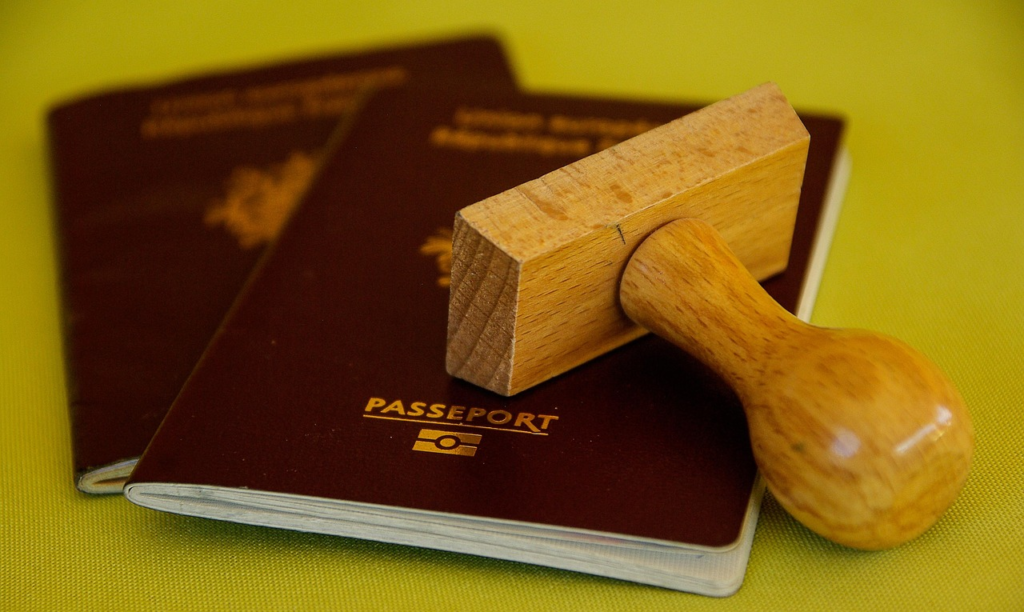
You will need your current biometric passport, which must be valid for at least three months after you plan to leave the Schengen Area. The passport cannot be more than ten years old when you submit your ETIAS application.
You also need a payment card for the fee and a personal email address. The table below summarises the core personal data required for the online application form.
| Required Information | Details Needed |
| Passport Details | Passport number, issue/expiry dates, country of issue |
| Personal Data | Full name, date of birth, place of birth, current address |
| Contact and Travel Info | Email address, phone number, first EU country of entry |
Prepare details about your education level and current occupation as well. Border guards may ask for supporting documents, so ensure the information matches your official records.

The Official ETIAS Application Process: A Detailed Walkthrough
Submitting your ETIAS application is a straightforward online process. You’ll complete a single form, which the European Union designed to be quick for travellers from visa-exempt countries like the United Kingdom and Australia.
Step 1: Access the Official Application Platform
Always begin at the official ETIAS website or use its mobile app. Other commercial sites may charge large service fees to file the same form on your behalf.
Step 2: Complete the Online Application Form
The form asks for the personal and passport details from your checklist. You will select Greece as your first intended EU country of stay, even if you plan to visit Switzerland later.
A series of security questions will ask about your criminal record and past travel to conflict zones. Answer these honestly, as providing false or incorrect information is grounds for refusal.
Step 3: Review, Declare and Pay
This final step is critical for avoiding errors. Carefully check every field, especially your passport number and name, before you proceed.
You will then declare the information is correct and make a secure online payment. The table below clarifies what happens if your application isn’t instantly approved.
| Application Status | What Happens Next |
| Requires manual processing | A decision is made within 96 hours. |
| Requires additional information | You will have 10 days to submit requested documents. |
A request for additional information will extend your processing time. Submit the correct documents promptly to avoid a full refusal of your ETIAS travel authorisation.

After Submission: What Happens Next?
Once you submit your ETIAS application, the system begins its automated checks. Most applicants receive a decision within minutes, but you should understand the possible outcomes.
Processing Times and Outcomes
The majority of applications are approved instantly. If manual review is needed, you’ll get a final decision within 96 hours at most.
A small number of applicants will be asked to provide extra information or attend an interview. This can extend the total processing time up to thirty days, so apply well before your trip.
Receiving and Checking Your ETIAS Authorisation
You will receive your result by email at the address you provided. The email will either grant your travel authorisation or explain a refusal.
When you get approval, immediately verify that all your personal details match your passport exactly. You can find official information on the dedicated Europa website portal.
If Your Application is Denied
A refusal email will list the specific reasons based on the entry requirements. The table below shows common grounds for denial.
| Reason for Refusal | Example |
| Security or illegal immigration risk | A serious criminal record |
| Invalid or fraudulent document | Using a reported lost passport |
| Unmet visa requirements | Not being from a visa-exempt country |
The email will include instructions for appealing the decision with the relevant national authority. You can also submit a new ETIAS application if your circumstances change, as a prior refusal doesn’t automatically block a future request.
Even if you need to travel last minute after a refusal, a new ETIAS application is your fastest option. Do not attempt to travel without a valid authorisation, as you will be denied boarding.

Special Considerations and Pitfalls to Avoid
A smooth ETIAS experience depends on navigating a few specific rules and steering clear of frequent errors. Paying attention here will help you avoid last-minute stress or a denied boarding pass.
Applying for Family Members or as a Group
Remember that each traveller needs their own separate ETIAS authorisation. This rule applies to every individual, including children and infants.
If you apply on behalf of your children or another adult, you must complete a signed ‘Declaration of Representation’. This form authorises you to handle their personal data for the application, even if your travel plans include countries like Slovenia.
Critical Mistakes that Could Derail Your Trip
A simple typo can have serious consequences. Double-check your passport number for common mix-ups like confusing the letter ‘O’ with the number ‘0’.
The table below lists critical errors and their likely results.
| Common Mistake | Direct Consequence |
| Passport expires within three months of departure | Entry refused at the EU border. |
| Email address is incorrect or inaccessible. | You miss vital notifications about your authorisation. |
| Data mismatches your passport at the border. | Boarding and entry are denied. |
Travelling with a soon-to-expire passport is a major risk, even with an approved ETIAS. Border guards will refuse entry based on this rule alone.
Providing false information or omitting details about past convictions is also a serious error. This can lead to an annulled ETIAS and future entry bans due to security concerns. Always answer every question on the form truthfully.

Get Ready for Greece
By following the key steps, you can secure your ETIAS with ease. This one-off process covers multiple trips to Greece for up to three years.
Bookmark the official EU ETIAS site now and verify the entry requirements ahead of your future travels. Remember, a valid ETIAS is mandatory for boarding, so a little preparation is your ticket to a seamless Greek getaway.