
Portugal, Italy Refuse to Drop EES for Brits
May 13, 2026
Category: Border and Security EES Italy News Portugal
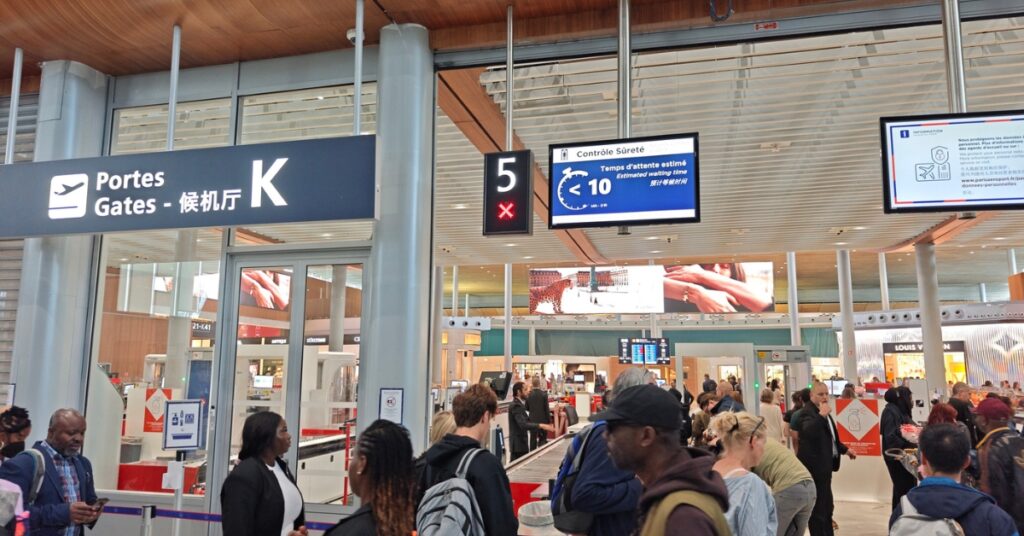
Portugal and Italy will keep biometric checks on British travellers in place, the European Commission has confirmed.
This confirmation ended speculation that the two countries would join Greece in stepping back from the EU’s new Entry/Exit System (EES).
The decision leaves Greece as the only member state currently waving British holidaymakers through without fingerprints or facial scans, even as airlines warn of mounting summer disruption.
The Commission said that it had been in contact with Lisbon and Rome, as it is with all member states, on EES implementation. Both governments confirmed that they did not intend to exempt any nationality.
Greece took unilateral action from 18 April, dropping biometric collection at smaller island airports without official EU clearance.
Brussels rejects fresh exemptions
A Commission spokesperson knocked back online reports of new permissions to suspend biometrics.
“There has been no change to the EES regulation. Indeed, the EES regulation foresees flexibilities and fall back procedures that Member States can rely on when needed,” the spokesperson stated.
Existing rules let border points pause biometric collection for six-hour periods if queues build up too much, with stoppages to be reported to Brussels. That flexibility runs until July, and under certain conditions likely into September.
The legal framework, the Commission added, “does not foresee blanket exemptions for nationals of specific third countries and for an extended period of time.”
Analysis by The Connexion found no specific sanctions for states that breach the rules, though compliance is expected to keep the wider scheme working.
The Commission said that it remains in contact with Athens to clarify the situation and recall the existing rules.
Spain opts for tweaks
Spain has chosen a middle path after long delays at Palma airport. The Interior Ministry has called its approach “adjustments, not a suspension.”
Some Spanish airports now run a hybrid model, switching from EES kiosks to manual stamping during peak surges. Local politicians had pushed for outright suspension, though the Ministry rated the rollout as “positive.”
The official line is that EES stays fully operational at all Spanish external borders. Non-EU travellers should still expect their fingerprints and facial images to be taken, or their passports scanned, in place of the old manual stamps.

Airlines pile on pressure
Ryanair has renewed calls on governments across all 29 EES countries to suspend the system until September. The carrier blamed hour-long queues during a recent French bank holiday weekend on poor preparation.
“The French authorities have known for over three years that EES would become fully operational from April 10, 2026, yet they have failed to ensure adequate staffing, system readiness or kiosks are in place and working,” the airline stated.
“These excessive passport control queues cannot continue into the peak summer season,” Ryanair added, noting it had written to all 29 EES governments urging suspension until September.
EasyJet issued its own warning to passengers on 7 May. The airline urged travellers to arrive at airports “with plenty of time to spare” and cautioned that flights may not wait for those caught in border queues.
The carrier is also working with transfer partners on package holidays to absorb potential delays at border control.
Disruption mounts at airports
Travel chaos since the 10 April rollout has been sharp. Some queues have stretched to three hours, leaving stranded passengers and missed flights in their wake.
Over 100 easyJet passengers missed a Milan Linate to Manchester service in April after long waits, with the airline branding the queues unacceptable.
Ryanair confirmed that passengers from Milan Bergamo also missed a Manchester flight because of passport control problems.
Those incidents prompted Greek authorities to drop biometric checks for British nationals at small island airports, hoping to keep holidaymakers moving.
Travel commentator Simon Calder had argued that Greece’s move could nudge other capitals into similar action.
He suggested that Portugal, Italy and Spain might say, “We’re not going to bother either. Let’s stagger through to the end of summer and perhaps take another look at the digital border scheme in the autumn.”
The Commission’s confirmation cuts that scenario short for now.
France lags behind
France’s rollout remains patchy, despite the country having no formal EU permission to depart from full operation on 10 April.
The Port of Dover has yet to start registering travellers in cars. The system is also down at the Normandy ferry ports.
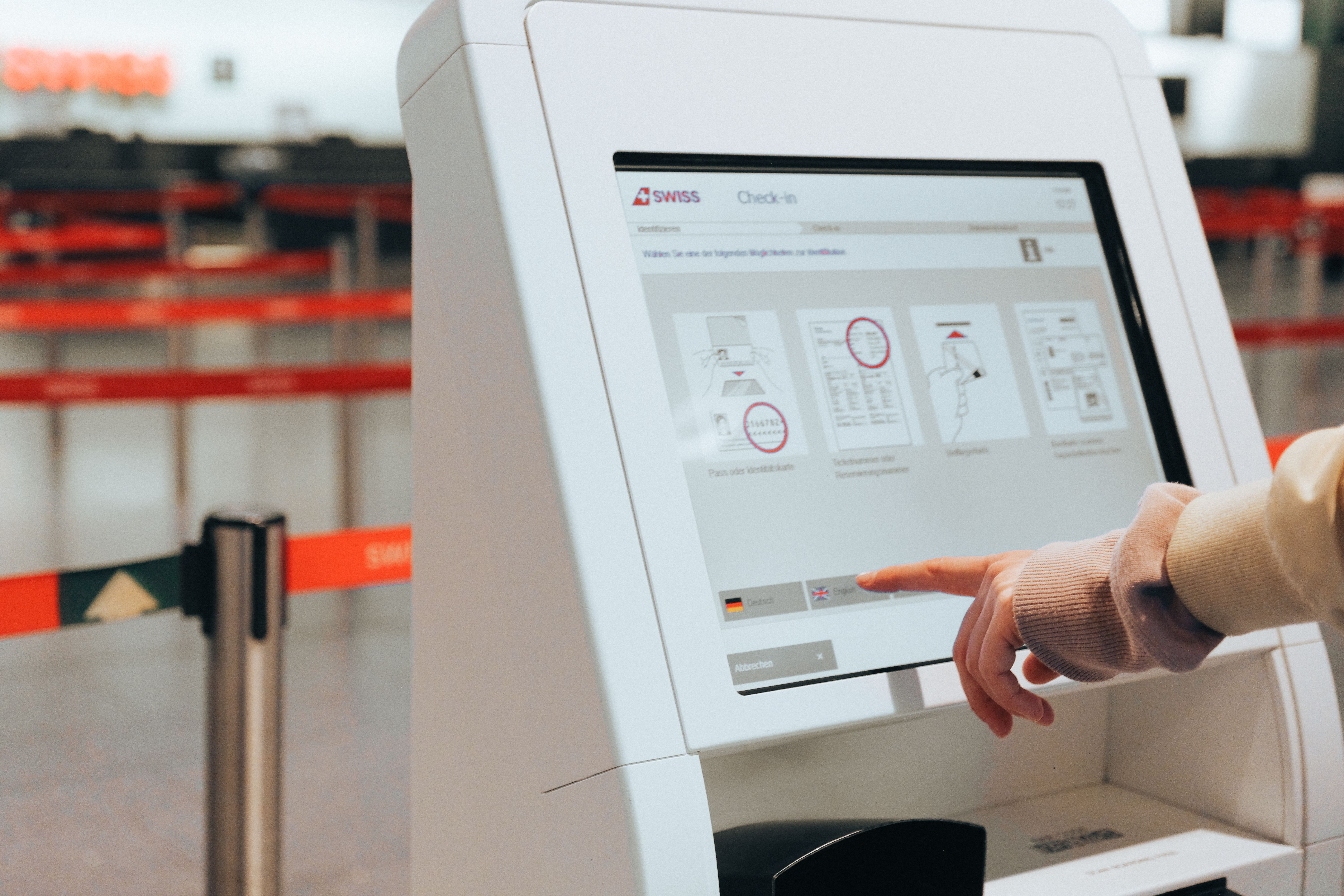
French airports are processing relevant non-EU, non-EEA and non-Swiss travellers, but pre-registration kiosks meant to ease queues are out of action because of technical faults.
Airports are pausing biometrics collection for longer than the rules envisage.
Eurotunnel has begun EES for all relevant travellers, but without biometrics for car passengers.
System carries bigger stakes
EES first launched in October last year and was due to reach full operation on 10 April 2026. It replaces manual passport stamping for non-EU, non-EEA and non-Swiss visitors on short stays of up to 90 days within any 180-day period.
The system captures fingerprints, facial images and personal details at border kiosks. Data is retained for three years and a day.
The stated aims are tighter security, harder action on irregular migration, fewer cases of identity fraud, better monitoring of the 90/180-day rule and faster border checks.
EES is also a prerequisite for the launch later this year of the European Travel Information and Authorisation System (ETIAS), the online pre-travel approval system for the Schengen area.
The system covers 29 European countries. Ireland and Cyprus sit outside the Schengen area and are not affected.
Airlines cut May flights
The EES rollout coincides with broader pressure on the travel industry. Airlines have cut around 13,000 flights globally for May, roughly 1% of monthly capacity.
Rising jet fuel costs and worry over fuel supplies have been cited as factors. UK travellers have been told not to cancel trips, with no fuel shortage reported and contingency plans said to be in place.
Brussels holds line
For now, the Commission’s message is that EES stays put. Temporary suspensions remain available only in narrow circumstances.
For British travellers heading to Portugal or Italy, biometric checks are set to stay this summer. Greece’s solo move has not opened the door for a wider walk-back.