
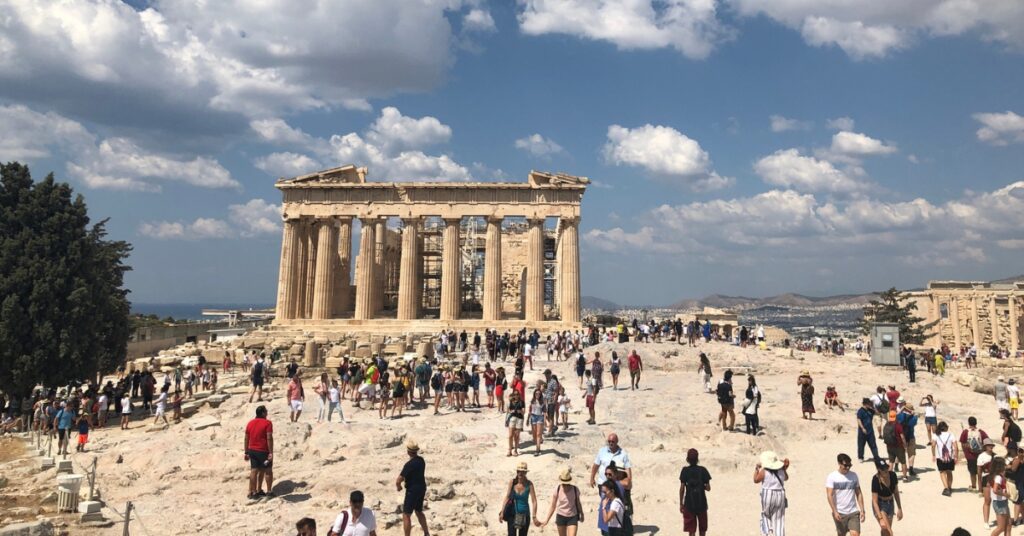
Middle East political issues are pressuring Greece’s 2026 summer tourism season, affecting travel demand despite the country remaining one of Europe’s most popular destinations.
A brief ceasefire earlier this year gave the industry a short boost, which caused bookings to rise across key markets.
That boost faded. Now, travel companies balance steady demand with rising costs and changing travel patterns.
Bookings stall again
After the temporary ceasefire, more people wanted to travel to Greece. Hotels and resorts saw better booking numbers from their key customer groups. That increase ended quickly.
When issues started again, travellers and tour operators felt less sure, which slowed down new bookings.
The industry faces a critical time right before the peak summer season. Greece needs visitors from other countries, so global events really affect who decides to travel.
Industry leaders believe that the market handles tough times well because they learned from past disruptions. However, political problems between countries and rising costs make it hard to predict what happens next.
Flights get pricier
Higher fuel prices for planes make travel harder to plan. These costs drive up ticket prices and eat into holiday budgets.
Tourism experts reported that airlines pass these fuel costs to passengers. This makes trips more expensive for people travelling from the UK and Europe.
Recent data showed that fuel stays more expensive than last year. Europe faces some of the biggest price hikes in the world.
Expensive tickets likely stop people from booking quick getaways or weekend breaks.
Greece relies on European visitors. These rising costs hit just as global tensions make people think twice about their travel plans.
Tourists keep coming
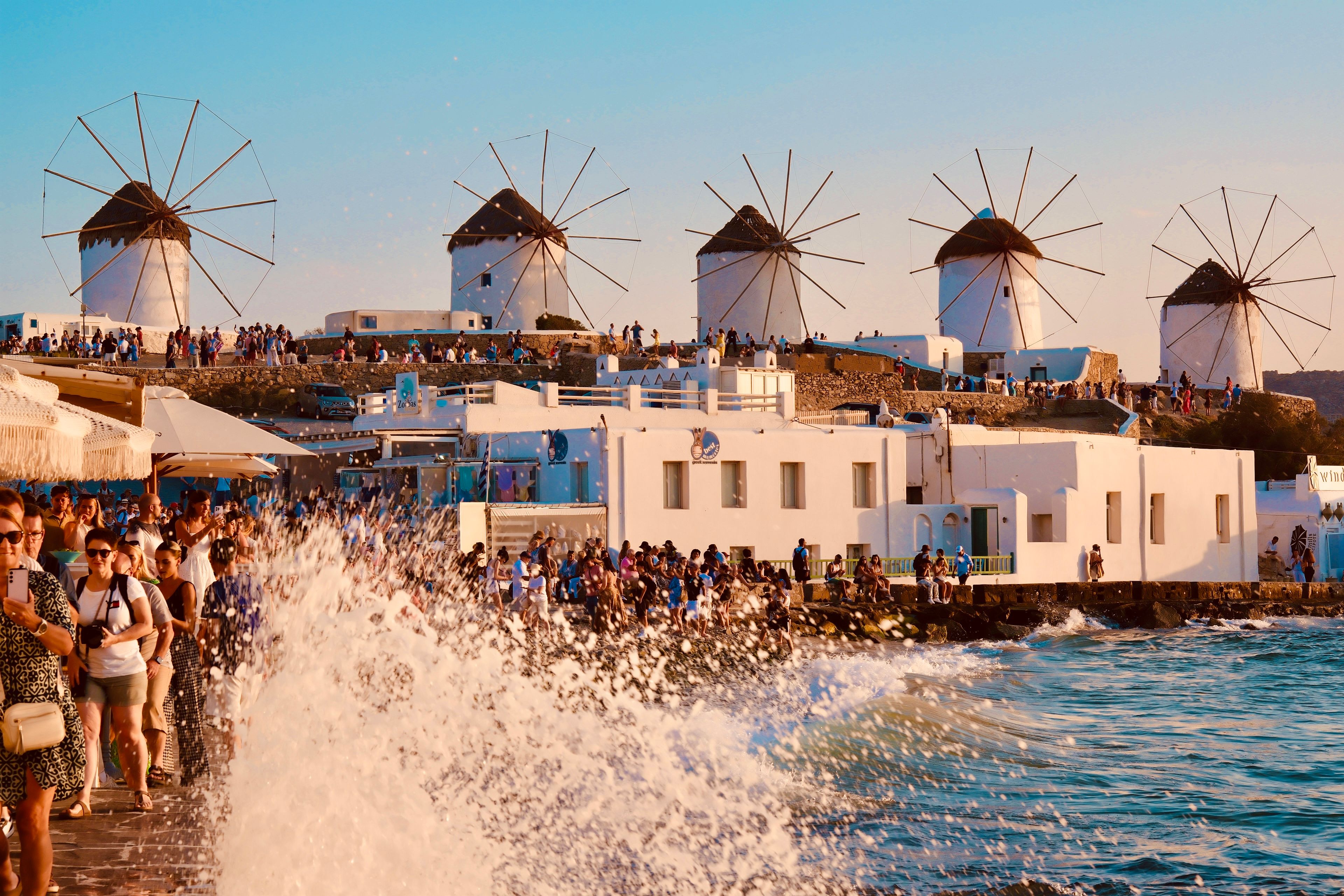
Even with the wider volatility, Greece still pulls in plenty of global travellers.
Travel brands saw steady interest in Greek holidays. Many are adding more hotels and flights to the mainland and the islands to keep up.
German travel groups reported that Greece is a top pick for 2026. It outshines many other Mediterranean spots right now.
Tourism bosses claimed that visitor numbers grew by more than 10% over the last few months.
Global tension changed how people travel. Greece benefits because people view it as a safe and stable place to visit.
Operators hold steady
Large travel groups continue to invest in Greece, maintaining extensive flight connections and accommodation capacity for the upcoming season.
This commitment reflects the country’s position within European holiday markets, where it remains a major destination for summer travel.
Even with recent fluctuations, outbound operators remain positive about demand levels and booking trends.
At the same time, stakeholders warned that the situation remains sensitive. Continued instability or further increases in transport costs could still influence consumer behaviour in the months ahead.
The balance between strong underlying demand and external risks is likely to shape the final outcome of the season.

Borders go digital
Alongside these market pressures, new European border systems are changing how travellers enter the region.
The Entry/Exit System (EES), fully operational since April 2026, records the entry and exit of non-EU nationals each time they cross external borders in participating countries, including Greece.
The system replaces passport stamping with a digital process and collects personal and biometric data, including facial images and fingerprints. It applies to short stays of up to 90 days within a 180-day period.
The European Travel Information and Authorisation System (ETIAS) is due to begin in the last quarter of 2026. It will require visa-exempt travellers from 59 countries to obtain travel authorisation before entering 30 European countries.
The authorisation will be linked to a traveller’s passport and remain valid for up to three years, allowing multiple short stays within the permitted time limits.
Applications are expected to be processed quickly in most cases, though some may take longer if additional checks are needed.
Travel flows shift
The interaction between tourism trends and these systems could influence travel flows in the months ahead.
Fluctuating demand for Greece may lead to uneven volumes of arrivals at borders, affecting how consistently the EES processes travellers during peak and quieter periods.
Rising costs and ongoing uncertainty could also reduce the number of short-term visitors, lowering the volume of border registrations and future travel authorisation applications.
At the same time, Greece’s appeal as a stable destination may continue to draw travellers, keeping demand for entry into the country relatively strong despite wider disruptions.
The digitalisation of border procedures may also support smoother entry processes, which could help maintain Greece’s competitiveness.

New rules add friction
The upcoming introduction of travel authorisation adds another step for visitors planning trips to Europe.
For travellers already facing higher airfares, the added requirement and fee may influence decisions, particularly among those with tighter budgets.
The combination of geopolitical uncertainty, rising transport costs, and new administrative steps creates a more complex environment for travel planning.
Even so, improved border systems may offer greater predictability and consistency at entry points, which could help offset some of the friction.
Season hangs in balance
The coming months will be decisive for Greece’s tourism sector as it navigates a mix of strong demand and external risks.
Bookings remain sensitive to geopolitical developments, while higher travel costs continue to test affordability for many tourists.
At the same time, sustained interest from major markets and continued investment from travel operators point to underlying resilience.
The direction of the summer season will depend on how these factors evolve, with stability and pricing likely to play a central role in shaping travel demand.