
EU’s EES Border System Expands in 2026 Rollout
Mar 9, 2026
Category: Border and Security EES EU News
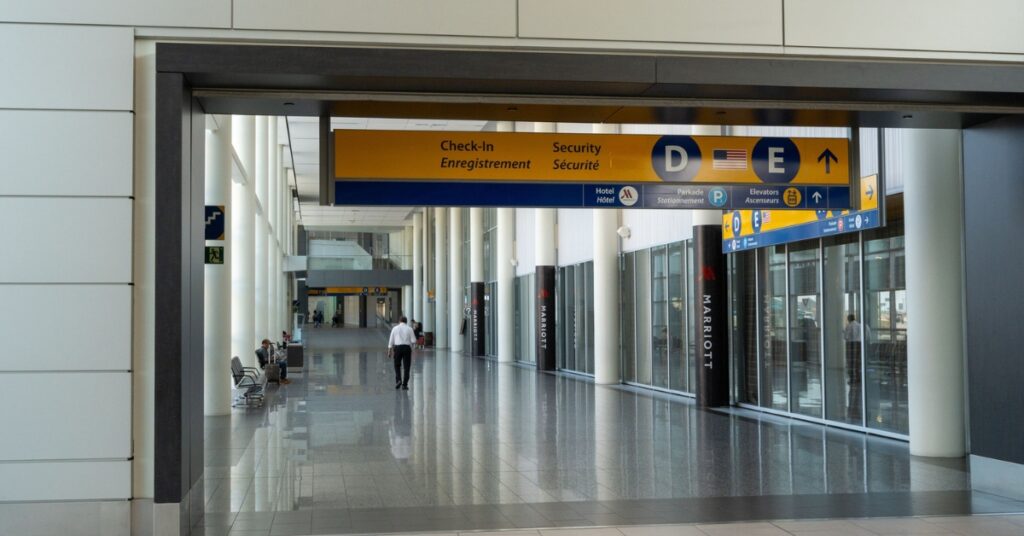
The European Union (EU) is expanding the Entry/Exit System (EES) in 2026 as part of a wider rollout of new digital tools to monitor travellers entering and leaving the Schengen area.
Managed by the EU agency eu-LISA, the system records biometric data from non-EU visitors and tracks short stays across member states.
EES rollout gathers pace
The EES began operating in October 2025 across the Schengen area, replacing passport stamps with a digital system that records travellers’ entries and exits.
Border officials now collect fingerprints and facial images from non-EU visitors and store them in a shared database used by participating countries.
The system allows border authorities to track how long travellers stay in the Schengen zone. It also flags visitors who remain beyond the permitted 90 days within a 180-day period.
The eu-LISA manages the technology behind the system and oversees the digital infrastructure used at external borders. In its 2026 outlook, the agency said that the EES had entered a “normal… operational mode and fully stabilised,” according to executive director Tillmann Keber.
More than 17 million travellers and around 30 million border crossings have already been registered since the system launched. Authorities have also recorded 16,000 refusals of entry and identified about 4,000 people who overstayed their permitted time in the Schengen area.
Pressure on border controls
While the system is active, some countries still face technical problems during the rollout. The European Commission said that three EU states have not yet met the requirements to register at least 35% of third-country nationals entering the Schengen area.
The delays relate to equipment and technical issues at the national level. Border staff in some locations have reported difficulties capturing biometric data because devices were not functioning correctly or did not meet standards.
Henrik Nielsen, director for Schengen, Borders and Visa at the European Commission, addressed the issue during a meeting of the European Parliament’s Civil Liberties Committee.
He said that the phased introduction requires countries to gradually increase registrations until full coverage is reached.
Under the schedule, border authorities had to record 50% of eligible travellers by March and aim to reach 100% registration in the months after. The plan allows states to adapt systems while border crossings remain open.
Airlines and airport groups have warned that longer processing times may appear during busy travel periods. Travel organisations raised concerns that queues at border checkpoints could grow during the summer tourism season.
Nielsen said that the European Commission does not plan to delay the programme. He told lawmakers that the EU has “no plans to propose any changes or extensions of the flexibility.”
Biometrics for passport stamps
The EES collects biometric data for visitors from outside the EU who enter for short stays. The information includes fingerprints, facial images, travel documents and entry records.
Border authorities use the system to check whether travellers have permission to enter and whether they previously overstayed. Officials can also identify people using false documents or attempting to travel under multiple identities.
The system links border databases across EU countries. This allows officials to search records and confirm a traveller’s identity at different entry points.
The change aims to reduce manual passport stamping and create a digital record of movement across borders. Carriers such as airlines can also verify whether passengers are authorised to travel before boarding flights.
According to EU data shared by border authorities, some refusals of entry occurred because travellers presented incorrect documents. Authorities also reported cases involving identity fraud and attempts to cross borders using different passports.
The system has also helped identify a trafficking victim during its first months of operation.
New border tools arriving
The EES rollout forms part of a wider plan to modernise EU border management. Several connected systems are scheduled to launch or expand in 2026.
One of them is the European Travel Information and Authorisation System (ETIAS). This programme will require travellers from visa-free countries to complete an online authorisation before visiting the Schengen area.
ETIAS works as a pre-travel screening system. Travellers submit personal details online, and authorities check the information against security and migration databases.
The EU is also preparing an updated version of Eurodac, a database used to manage asylum applications. The new system will collect additional identity data and facial images to support identification procedures.
According to eu-LISA’s outlook for 2026, these systems will connect through shared digital tools that allow authorities to search information across databases.
The agency operates several of the EU’s justice and home affairs systems, including the Schengen Information System and the Visa Information System.
The interoperability programme links systems through components like the European Search Portal and the Shared Biometric Matching Service. These tools allow authorised officials to search biometric or identity data across different EU databases.
This connection allows border staff and law enforcement agencies to check records from several systems through one interface. The design aims to improve identity checks at external borders.
New phase for EU borders
The EES rollout shows how the EU is shifting border checks toward digital systems that track travellers more closely.
As the system expands across the Schengen area, officials will keep monitoring how it works at busy crossings while member states complete the rollout.