
Romania Tackles Overtourism with Rural Travel Push
Feb 9, 2026
Category: Uncategorised
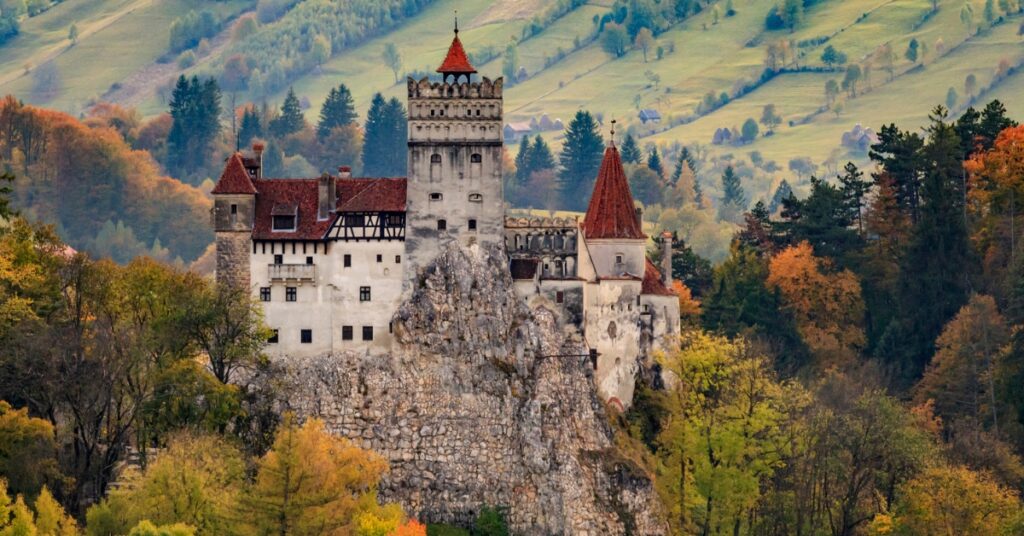
Romania is rolling out new tourism plans to ease pressure on hotspots like Bran Castle and tackle rising overtourism.
Backed by European Union (EU) funding, the country is promoting rural getaways and local food experiences across Transylvania to spread out visitors.
Big cities feel strain
Popular sites like Bran Castle in Transylvania now draw nearly one million visitors each year. While this supports local economies, it also places growing pressure on infrastructure, housing and cultural landmarks.
Similar patterns across Europe have led to overcrowding, environmental wear and tensions between tourists and residents.
To avoid these issues, Romania has begun taking preventative steps. With support from an EU-funded initiative, the country is working to manage how visitors move through different regions.
The aim is to reduce overcrowding in hotspots and promote travel to lesser-known areas.
Rural trips on the rise
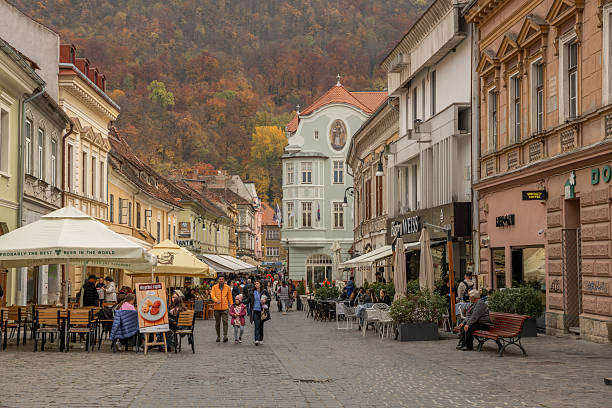
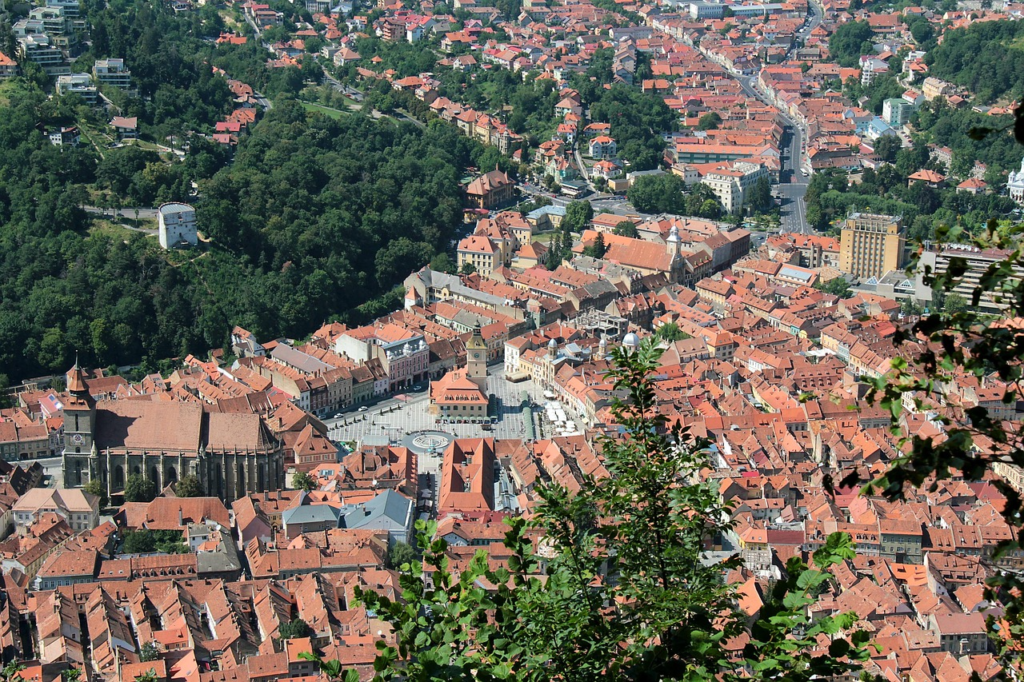
In Brașov, a city with increasing tourism potential and a new airport, efforts are underway to manage future visitor growth. As part of the “Tourism in Balance” project, the focus is on encouraging tourists to explore rural destinations outside the city.
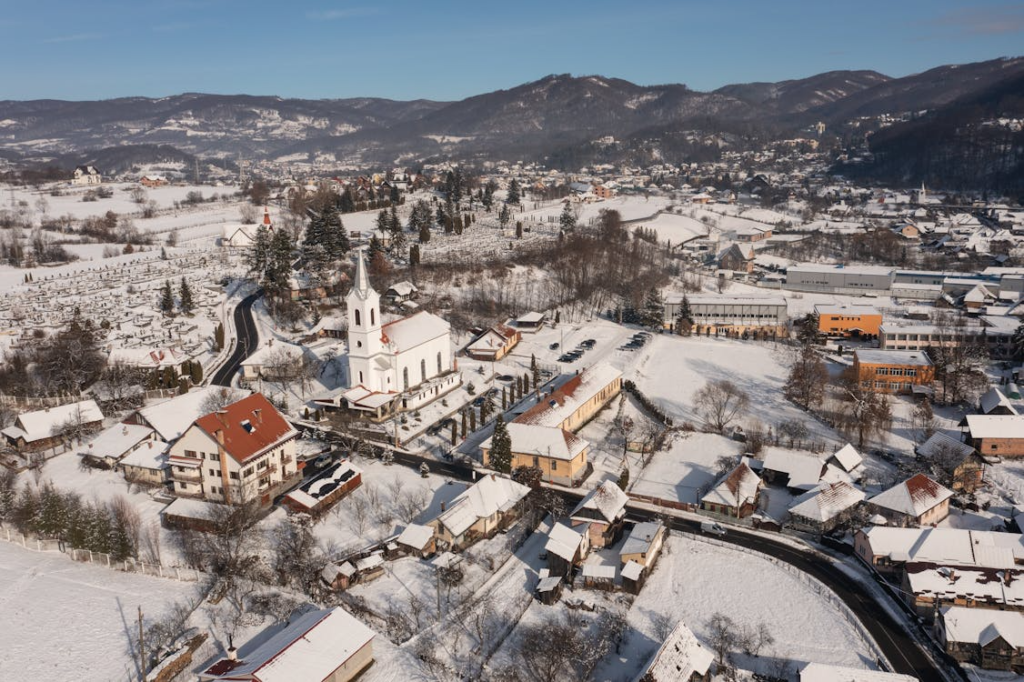
One initiative, the Gastro Local programme, promotes visits to villages such as Vama Buzăului. Here, tourists are offered home-cooked meals made with local ingredients.
The approach helps create income opportunities in smaller communities and introduces visitors to quieter, less trafficked areas.
Changing travel habits
The project supports a shift in tourism strategy across participating countries. It encourages the redistribution of visitors geographically and seasonally.
The aim is to limit overcrowding, reduce strain on cities, and support a more balanced travel experience.
Participating locations include cities already experiencing overtourism—like Amsterdam and Rome—as well as emerging destinations such as Brașov.
Partners share data and planning tools through the network to develop strategies that can prevent overcapacity in advance.
Romania moves before rush
Romania has seen growing interest from international travellers in recent years, due in part to increased airline routes and social media exposure.
With many parts of the country still relatively undeveloped for tourism, the current moment presents an opportunity to avoid the mistakes seen in more saturated destinations.
The project also aligns with EU objectives, including those set out in the Green Deal and other sustainability frameworks.
These policies prioritise regional development that accounts for environmental and community impact, rather than focusing solely on tourism numbers.
Communities want a say
An important aspect of the Tourism in Balance project is involving local communities.
Romania’s approach is designed to anticipate problems and avoid backlash from residents, as seen in cities across Europe that introduced tourism controls only after tensions rose.
Programmes like Gastro Local are designed not just to attract visitors, but to integrate them into local life in a controlled way.
The model depends on participation from residents, with the aim of building tourism that reflects local needs and capacity.
Europe watches closely
The approach is being monitored across the network of participating regions.
As cities like Seville and Krakow continue to manage tourism demand, Romania’s early-stage strategy may offer a different model—one that focuses on prevention rather than repair.
For newer destinations, this represents a chance to design tourism from the ground up.
With support from EU frameworks, they can experiment with policies that may be more difficult to implement in older, more established tourism hubs.
Short stays meet new systems
Romania’s response to overtourism comes ahead of the full launch of two new EU border systems: the Entry/Exit System (EES) and the European Travel Information and Authorisation System (ETIAS).
Both will affect how short-term visitors enter and move within Europe.
The EES, which began gradual implementation in October 2025, will register non-EU travellers electronically at border crossings. The goal is to replace passport stamps and track entry and exit dates to ensure compliance with short-stay limits.
ETIAS, expected to launch in the final quarter of 2026, will require travellers from visa-exempt countries to apply for authorisation before entering the EU. Once approved, they can stay for up to 90 days in any 180-day period, but entry will still be subject to checks at the border.
More order, less overflow
Romania’s plan to disperse tourism away from overused areas could complement the rollout of ETIAS and EES.
As these systems make border data more precise, managing how and where visitors travel within the EU may become easier for national authorities.
Though tourism and migration are managed through different channels, the pressures they place on services and infrastructure sometimes overlap.
By easing tourism pressure in specific areas, Romania’s approach could help reduce some of the localised strain that affects both short-term visitors and longer-term migrants.
The tourism strategy is not intended to change immigration rules. But it may support broader EU goals around managing movement, capacity, and compliance more effectively as the new systems come into force.
Local choices shape global shifts
With another high-travel season approaching, more countries are watching how Romania handles growth.
The current strategy is still developing, but early efforts suggest that distributing tourism more evenly—geographically and seasonally—can create more flexibility.
As the EU prepares to track short-term stays more closely, countries that plan their tourism growth now may find it easier to adapt.
Romania’s approach signals a move toward forward planning, one that prioritises both community readiness and long-term stability.
Very helpful and informative